

Delhi’s AQI crosses 700 and air pollution has reached hazardous levels sparking protests at India Gate. AIIMS trained Neurologist Dr Rahul Chawla suggested 5 steps to protect your family from delhi’s air pollution. He advised staying indoors, air purifiers, avoiding going outdoor and using N 95 masks, work from home and limited lockdown. He also advised people to leave the city if possible.
If you’ve been waking up with a dry throat, coughing more than usual, experiencing brain fog or feeling unusually tired, you’re not alone. Delhi’s air has crossed the danger mark yet again, with AQI levels hitting 700 and above in many parts of the city. But what you need to realise is that these symptoms are just the beginning.
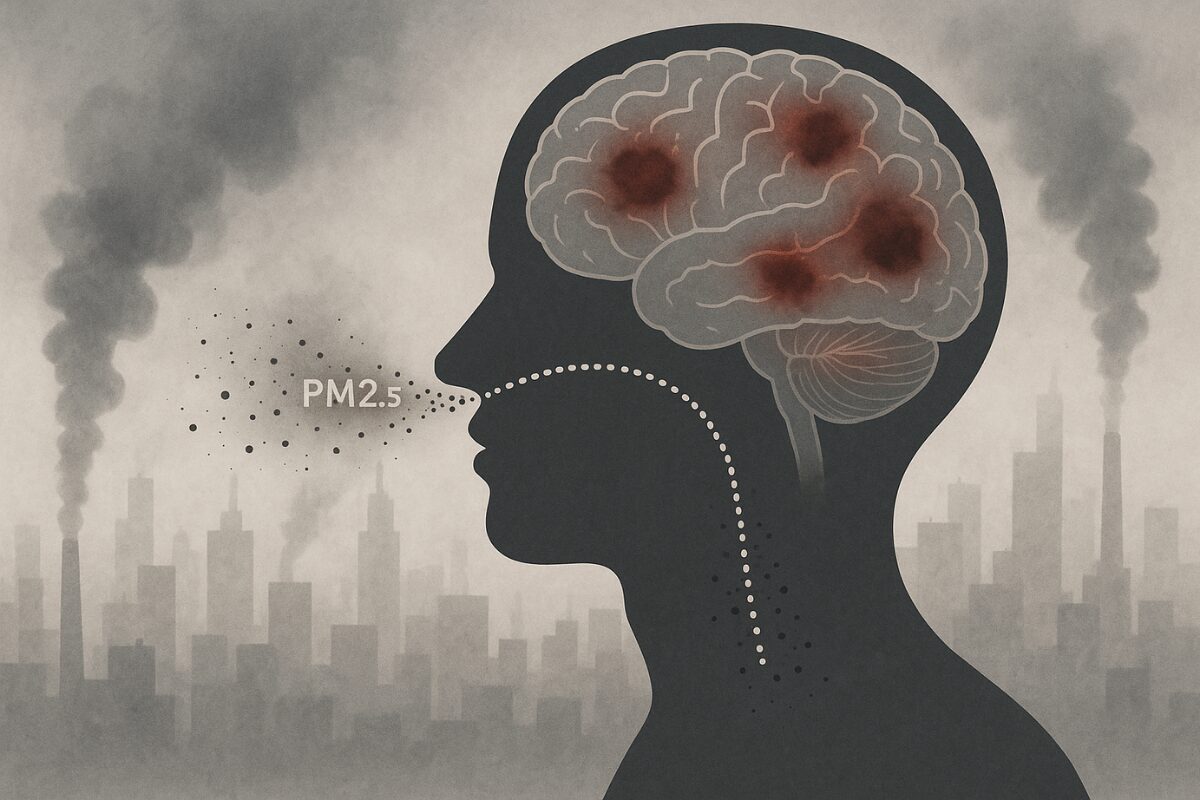
Air pollution doesn’t just affect your lungs; it triggers widespread inflammation throughout the body. Fine particulate matter (PM2.5 and PM10), can enter the lungs, seep into the bloodstream, and affect multiple organ systems. Over time, this leads to oxidative stress, vascular injury, hormonal imbalance, and impaired immune function.
Multiple organs in your body such as the heart, brain, skin, reproductive system, and even fetal development are severely affected. Prolonged exposure to air pollution has been linked to an increased risk of heart disease, stroke, dementia, asthma, infertility, premature ageing, and certain cancers too.
Air pollution today isn’t a seasonal inconvenience that comes by every winter and is then gone and forgotten; it has become a full-fledged public health emergency. So, what can you do to protect yourself and your loved ones?
What air pollution does to your body
- Lungs: The most direct impact is on your respiratory system. Polluted air causes inflammation in the airways, leading to persistent cough, breathlessness, asthma flare-ups, and chronic bronchitis. In children, prolonged exposure can permanently reduce lung capacity.
- Heart: Tiny pollutants such as PM2.5 particles enter the bloodstream and irritate blood vessels. They then raise blood pressure and thicken your arteries. This increases the risk of heart attacks, stroke, and heart failure, especially in people with diabetes or hypertension.
- Brain: Airborne toxins can reach the brain and cause inflammation, which leads to fatigue, brain fog, poor concentration, and higher risk of dementia over time.
- Skin and eyes: Constant exposure to polluted air breaks down collagen in your skin, a protein responsible for maintaining elasticity and accelerates ageing. It also causes dryness, rashes, pigmentation, and burning or watering of your eyes.
- Reproductive health: Studies have shown that air pollution is linked to reduced fertility in both men and women. Moreover, in pregnant women, it can increase the risk of premature birth, low birth weight, and developmental issues in the baby.
- Immunity: Prolonged exposure weakens the body’s immune response, making you more vulnerable to viral infections and allergies.
How to protect yourself and your family from the hazards of air pollution
Long-term solutions require strong policy action but, Dr. Rahul Chawla, AIIMS- trained Neurologist and Founder of HealthPil suggests a few steps you can take to protect yourself right now:
- Stay indoors during peak smog hours — usually early morning and late evening. Also, ventilate your home briefly in the afternoon when the sunlight is good.
- Wear an N95 mask if you need to step outside. Cloth or surgical masks don’t block PM2.5 particles.
- Use an air purifier at home if you can, and clean its filters regularly. Also, make sure the air purifier is appropriate for the size of your room.
- Avoid outdoor workouts — exercise indoors instead to prevent inhaling polluted air. Do not allow young children and elderly people to go out to the parks or other public spaces in the morning or evening.
- Eat a balanced diet rich in antioxidants — fruits, vegetables, nuts, and seeds help your body fight oxidative stress.
- Stay hydrated — water helps flush out toxins and keeps mucous membranes healthy.
- Limit exposure for children and the elderly, as their lungs and immune systems are more vulnerable.
- If possible, take short breaks in cleaner environments to let your body recover. For that, you would need to leave the city for a short while if you are able to do so.
When Beijing’s air quality once touched 754 in 2013, it took massive structural reform to turn things around. The city shut down coal plants, switched to clean energy, relocated industries, enforced strict vehicle norms, and improved public transport. Within ten years, Beijing brought its AQI down to around 47. It didn’t happen overnight, but it showed that a stringent action plan made it possible.
Delhi can take cues from Beijing to improve its condition but it needs a long-term commitment, not temporary measures. Water sprinklers, odd-even days, or a few days of school closures won’t solve a crisis that is affecting millions.
Additionally, we as a society should do our part in curbing air pollution. If we cannot help directly, the least we can do is not add more to the crisis we already have at hand. Some of the simple measures we can adopt are:
- Using public transport or carpooling whenever possible, instead of driving alone.
- Avoiding bursting crackers during festivals or celebrations.
- Minimising indoor smoke by avoiding the burning of incense sticks, oudh, or camphor, especially in closed spaces.
- Regularly servicing vehicles to reduce emissions.
- Planting and protecting trees in our neighbourhood; they naturally filter pollutants and improve air quality.
Clean air isn’t a privilege; it’s a basic human right. What we’re facing today is not just an environmental problem, it’s a full-blown health emergency. We can’t change the air quality overnight, but we can protect ourselves, spread awareness, and demand accountability from the authorities. Let’s hope that we can give something as fundamental as clean air to our future generations.
How HealthPil can help
At HealthPil, our mission is to help you stay informed and proactive about your health. Through verified medical insights, expert doctor guidance, and easy-to-follow preventive tips, we help you make everyday decisions that truly protect your well-being.
From managing chronic illnesses aggravated by pollution to learning safe habits for your family, HealthPil empowers you with the right knowledge, because prevention begins with awareness.
Disclaimer:
This article is for general informational purposes only and should not replace medical advice. If you experience persistent cough, chest pain, shortness of breath, or unusual fatigue, please consult a qualified healthcare professional.

