

What Are Allergies in Children?
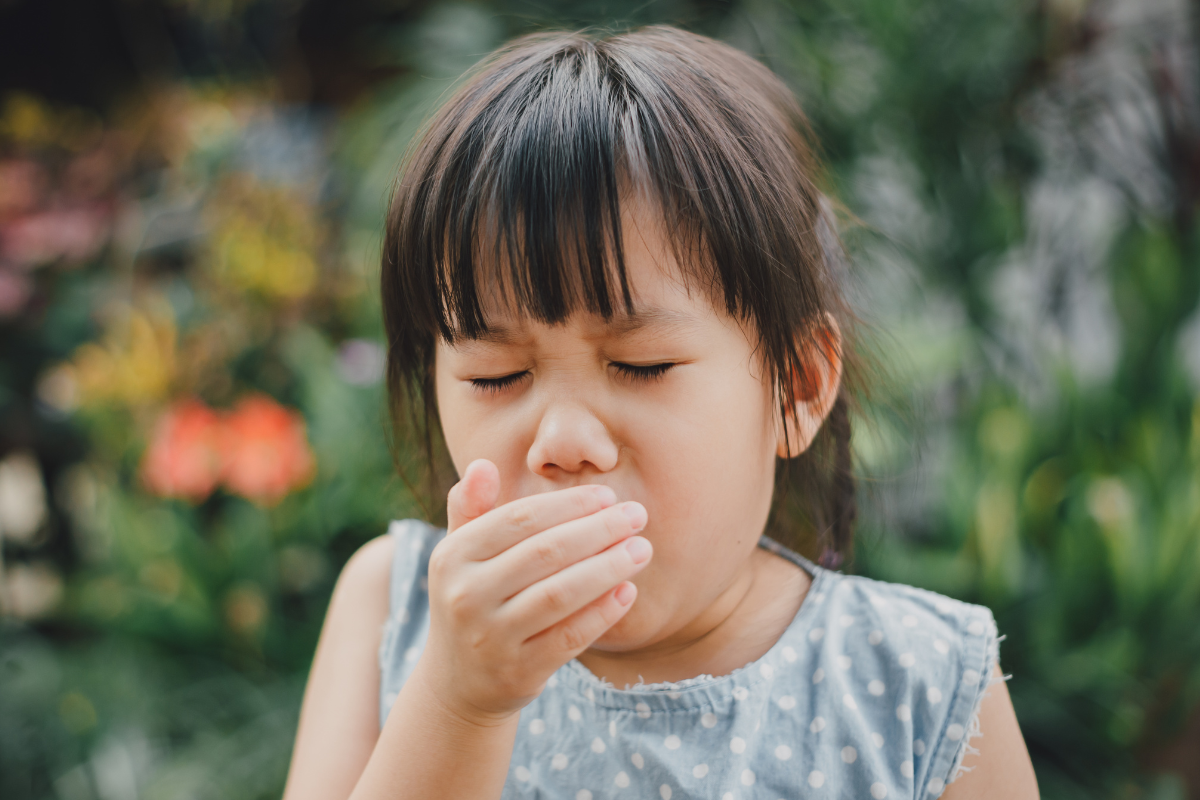
Every few weeks, the sneezing starts again. The nose runs, the eyes water, and the child feels awful for days. A cold, the parents think. But then it happens again. And again.
That is usually the first sign that something else is going on not a cold, but an allergy.
Allergies in children happen when the body reacts badly to something that is normally harmless like dust, pollen, certain foods, or pet hair. The body treats these things like a threat and responds with sneezing, runny nose, itchy eyes, skin rash, or trouble breathing.
Child allergies are very common. A child’s immune system is still growing, so it sometimes overreacts to things it should simply ignore. Some children only get mild symptoms during certain seasons. Others get flare-ups often enough to affect their sleep, school, and daily life.
The tricky part is that allergy symptoms in children look a lot like a common cold. Many parents think it is a repeated cold, sensitive skin, or just the weather. This is why child allergies often go unnoticed for months before anyone figures out the real cause.
Child Allergies in India A Growing Problem
Allergies in children are rising across India and the environment is a big part of why.
India’s diverse climate creates year-round allergy seasons. Spring brings tree and grass pollen. Summer heat increases dust and mold. And monsoon while welcome creates the perfect conditions for mold growth in walls, bathrooms, and poorly ventilated rooms. Children in urban India face some of the highest dust and pollution exposure in the world.
A few India-specific patterns worth knowing:
Monsoon mold allergies are extremely common and frequently mistaken for repeated chest infections. Children in cities like Mumbai, Kolkata, and Chennai often show worsening allergy symptoms between June and September specifically because of indoor mold growth during humid months.
Dust mite allergies are particularly widespread in India due to warm, humid conditions year-round ideal for dust mite growth in mattresses, pillows, and soft furnishings.
Food allergies in Indian children most commonly involve milk, eggs, peanuts, and wheat all staples of Indian diets, which makes management more challenging than in other countries.
Air pollution in major Indian cities acts as an amplifier it does not cause allergies, but it makes existing respiratory allergy symptoms significantly worse. Children with pollen or dust allergies living in high-pollution cities tend to have more frequent and more severe flare-ups.
Common Allergy Triggers in Children
Every child is different, but some allergy triggers are seen very often in children.
Pollen Allergy
Pollen allergy is one of the most common causes of seasonal allergies in children. It is also called hay fever. Symptoms get worse in spring or when the weather changes especially after playing outside near grass, trees, or plants. A child who always comes home from the park with a runny nose may have a grass allergy or pollen allergy.
Dust Allergy
Children with dust allergy often wake up sneezing, with a blocked nose and itchy eyes. This is usually worst in the morning. Dust collects in mattresses, pillows, carpets, curtains, and soft toys. Nasal congestion that is worse at home and better outside is a common sign.
Pet Allergies
Some children react badly around cats, dogs, or other animals. This is called a pet allergy. It is not caused by the fur itself but by tiny particles in the animal’s skin, saliva, and urine. Sneezing, watery eyes, and a skin rash after being near a pet are common signs.
Mold Allergy
Damp walls, wet bathrooms, and rooms with poor air flow can cause mold allergy in children. In India, symptoms often get worse during the monsoon. Children may sneeze more or feel congested in certain rooms or buildings.
Food Allergies in Children
Milk, eggs, peanuts, soy, wheat, and some nuts are the most common food allergies in children. Symptoms can appear within minutes of eating the food and may include hives, skin rash, swelling, vomiting, stomach pain, or trouble breathing. Food allergies in children need to be taken seriously.
Insect Sting Allergies
Bee or wasp stings can cause swelling, itching, or a stronger reaction in some children.
Medicine Allergies
Some medicines, like certain antibiotics, can cause rashes, hives, or swelling in children. Always tell the doctor about any past medicine reactions.
Signs and Symptoms of Allergies in Children
Allergy symptoms in children can look different from child to child, which is why they are often confused with other things.
Common signs include frequent sneezing, runny or blocked nose, nasal congestion, itchy or watery eyes, rubbing the nose a lot, skin rash, hives, eczema flare-ups, coughing, wheezing, or trouble breathing. Symptoms that keep coming back after outdoor play, dust, pets, or certain foods are worth noticing.
For some children, symptoms are mild and only show up in certain seasons. For others, they happen often enough to affect sleep, focus at school, and daily comfort.
If allergy symptoms in children keep coming back or start affecting daily life, see a doctor. Many parents now start with an online pediatric consultation to understand whether allergy testing is needed.
How Are Allergies Diagnosed?
Allergy diagnosis starts with understanding when and why the symptoms happen. The doctor will ask when symptoms appear, whether they get worse outdoors or in certain seasons, whether the family has a history of allergies, asthma, or eczema, and whether specific foods, pets, or places seem to cause symptoms.
The doctor will also check the child’s nose, throat, skin, and breathing. If needed, allergy testing will be advised.
Skin Prick Test
In a skin prick test, small amounts of common allergens are put on the skin to see if a reaction happens. This helps find out exactly what the child is allergic to.
Blood Test for Allergies
An IgE blood test looks for allergy-related markers in the blood. It is often used for younger children or when a skin prick test is not a good option. Both tests help the doctor plan the right allergy treatment.
If visiting a clinic is not easy, an online allergy consultation can help parents understand which tests are needed and when to see an allergy specialist.
Treatment for Allergies in Children
Once the trigger is found, child allergy treatment works very well. The plan depends on the type and how bad the allergy is.
Avoiding Allergy Triggers
The first step is to reduce how much the child comes in contact with the things that cause the reaction. This alone can cut down flare-ups a lot.
Antihistamines
Antihistamines are the most common medicines used for allergy symptoms in children. They help with sneezing, itchy eyes, runny nose, and skin rash. They are usually given during seasonal flare-ups or when symptoms appear. Some can make children sleepy, so the doctor will suggest the right one for the child’s age.
Nasal Sprays
Nasal corticosteroids are sprays that reduce swelling inside the nose. They work well for allergic rhinitis and blocked nose. Unlike decongestants which give short-term relief, these sprays work better when used regularly over time.
Immunotherapy
For children with strong allergies that do not improve with medicines, immunotherapy may be suggested. This slowly trains the immune system to stop overreacting to the allergen. It can be given as allergy shots or as sublingual tablets placed under the tongue. It takes time but can give long-term relief for children with ongoing allergies.
Complications of Untreated Allergies in Children
When allergies in children go unmanaged or undiagnosed for a long time, they do not just stay uncomfortable. They can lead to real health complications.
Asthma development
Children with untreated allergic rhinitis hay fever have a significantly higher risk of developing asthma. The inflammation that affects the nose and throat can extend into the airways over time. This connection is well-documented allergic rhinitis and asthma are often part of the same underlying immune sensitivity.
Chronic sinus infections
Persistent nasal congestion from allergies creates ideal conditions for bacterial infections in the sinuses. Children who get repeated sinus infections more than three or four a year often have an underlying untreated allergy driving the cycle.
Sleep disruption and its consequences
A blocked nose at night means mouth breathing, poor sleep quality, and frequent waking. Children with poorly managed allergies often wake up tired, struggle to concentrate at school, and show behavioural changes linked to chronic sleep deprivation which is often not connected to allergies until a proper assessment is done.
Ear infections
Allergic inflammation can affect the Eustachian tubes that connect the throat to the middle ear. Children with ongoing nasal allergies get ear infections more often and some develop fluid behind the eardrum that affects hearing temporarily.
Impact on growth in severe cases
Severely unmanaged allergic disease particularly when it affects sleep and nutrition due to food allergies can have measurable effects on a child’s growth and development. This is rare with proper management but worth knowing.
Managing allergies well is not just about reducing sneezing. It is about preventing a cascade of secondary health problems
How to Reduce Allergy Flare-Ups in Children
Managing child allergies does not mean stopping children from going outside or having fun. It just means reducing contact with things that keep triggering symptoms.
Simple steps include keeping windows closed during high pollen season, washing hands and face after playing outside, changing clothes after coming indoors, putting dust-proof covers on mattresses and pillows, cleaning carpets and soft toys regularly, keeping pets out of the bedroom if pet allergies are present, avoiding known food triggers, and telling school teachers or caregivers about confirmed allergies.
Creating an Allergy Management Plan
For children with confirmed allergies, a simple written plan helps parents, teachers, and caregivers know what to do. It should include the child’s known allergy triggers, any daily medicines, foods or places to avoid, what to do in case of a severe allergic reaction, and who to call for medical help.
Keeping a record of symptoms and triggers over time also helps the doctor or allergy specialist adjust the treatment as the child grows.
When Should You See a Doctor?
Mild allergy symptoms a bit of sneezing, slightly itchy eyes can often be managed at home. But some situations need immediate medical attention.
Go to an emergency room right away if your child shows signs of anaphylaxis:
- Wheezing or severe difficulty breathing
- Sudden severe swelling of the face, lips, or throat
- Repeated vomiting after eating
- Fainting or sudden extreme weakness
- Skin turning pale or bluish
Anaphylaxis is a medical emergency. If your child has a known severe allergy and has been prescribed an epinephrine auto-injector, use it immediately and call for emergency help.
See a doctor soon if:
- Symptoms persist for more than two weeks without improvement
- Antihistamines and basic measures aren’t providing relief
- Symptoms are regularly disrupting your child’s sleep or school attendance
- You suspect food allergies in children but haven’t confirmed with allergy testing
For non-emergency concerns, an online pediatric consultation is a practical and fast first step. An allergy specialist consultation online means you don’t have to take a day off or wait weeks for an in-person appointment you can get proper guidance quickly, from home.
How HealthPil Can Help
Figuring out what your child is allergic to and building a plan to keep them comfortable through every season takes time, the right tests, and expert guidance. It’s not something you should have to piece together alone.
HealthPil connects you with experienced paediatricians and allergy specialists who can properly assess your child’s symptoms, recommend the right allergy testing, and put together a personalised child allergy treatment plan that fits your family’s life. Whether you need a quick online allergy consultation to assess a new symptom, or ongoing support through a difficult allergy season, help is just a few clicks away.
Book an online pediatric consultation with HealthPil today from wherever you are.
Summary
Child allergies are extremely common, often misunderstood, and entirely manageable with the right approach. Whether it’s seasonal hay fever like Rohan’s, a dust allergy disrupting sleep, skin allergies in children causing constant rashes, or a food allergy that needs careful management identifying the trigger is always the first and most important step. From there, a combination of avoidance, the right allergy treatment, and a clear management plan gives your child the freedom to simply be a kid runny nose and all, hopefully a little less often.
FAQs
What causes allergies in children?
Various factors, including pollen, dust mites, pet dander, and certain foods, can trigger allergies.
Can children outgrow their allergies?
Some children may outgrow specific allergies, but others may persist into adulthood.
How can I help my child avoid allergens?
Keep the home environment clean, use air purifiers, and create a smoke-free environment to reduce exposure.
References
- Chad Z. Allergies in Children. Available at:
PMC - Sicherer SH, Leung DYM. Advances in Allergic Skin Disease, Anaphylaxis, and Hypersensitivity Reactions to Foods, Drugs, and Insects. Available at:
PubMed
Disclaimer:
This information is not intended to replace professional medical advice. Always consult a healthcare provider for diagnosis and treatment options.

Read our editorial policy