

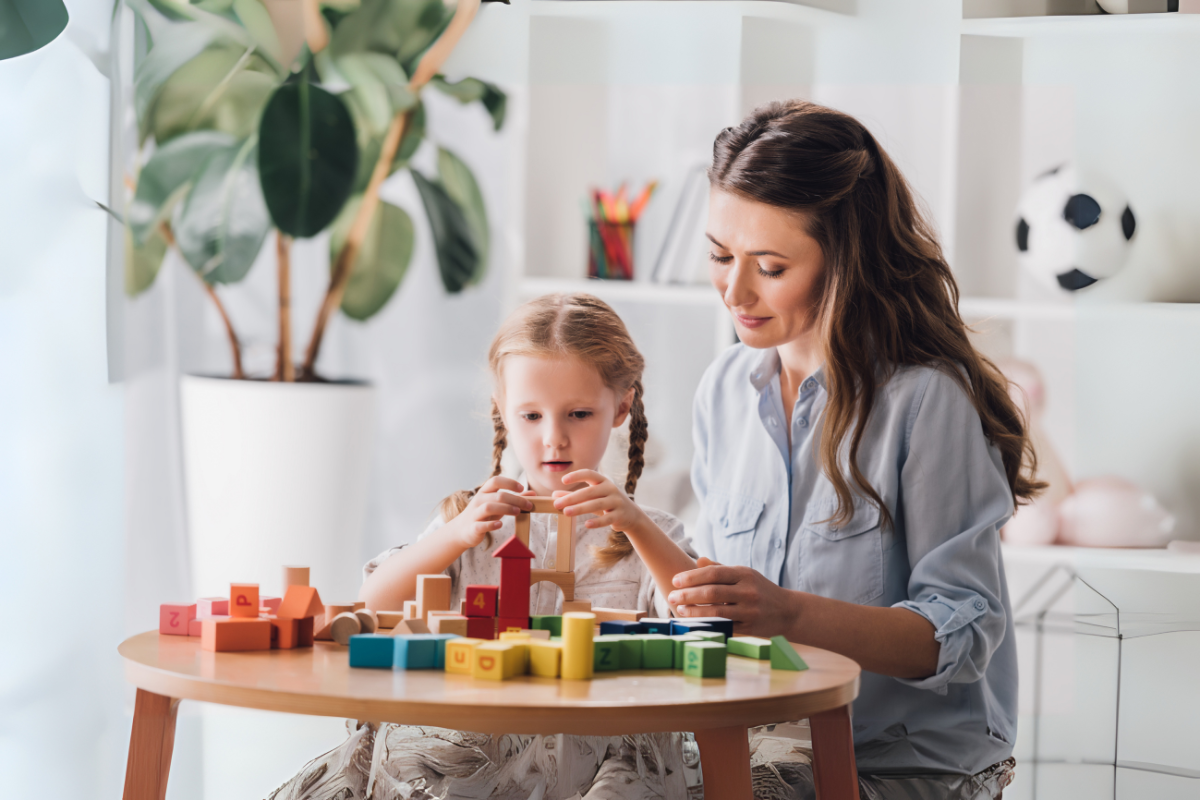
Autism Spectrum Disorder (ASD) is a neurodevelopmental condition that affects the way a child communicates, connects with others, and experiences the world. Child autism looks different in every child which is exactly why it’s called a spectrum. Some children are deeply affected; others are mildly so. But in every case, early diagnosis and the right support can make a profound difference.
This guide is for every parent who has sensed something and needed a place to start..
What Is Autism Spectrum Disorder (ASD)?
Autism Spectrum Disorder is a neurodevelopmental condition that affects how a child communicates, connects with others, and experiences the world around them.
It is called a spectrum because no two children with ASD are alike. Some children are deeply affected needing substantial support in daily life. But in every case, early diagnosis and the right support make a profound difference.
ASD is not caused by parenting. It is not a phase a child will grow out of on their own. It is a lifelong neurological condition and with the right intervention, children with ASD make remarkable progress.
ASD Levels What They Mean
Autism is not one thing. It is a spectrum which is why two children with the same diagnosis can look very different from each other.
ASD is categorised into three levels based on how much support a child needs:
Level 1
Requires some support. Social challenges are present but the child can manage with guidance. Communication is functional but may feel awkward or one-sided.
Level 2
Requires substantial support. Social difficulties are more obvious. Repetitive behaviours are frequent and harder to redirect. Verbal communication may be limited.
Level 3
Requires very substantial support. Severe difficulties in communication and social interaction. Repetitive behaviours significantly interfere with daily functioning.
Knowing the level helps families and schools understand what kind of support is most appropriate and helps set realistic, meaningful goals.
India context: According to studies, 1 in every 100 children under the age of 10 in India has autism. Awareness and early diagnosis rates remain low many children are diagnosed late, missing the critical early intervention window.
Early Signs of Autism
The earliest signs of autism in children often appear before a child’s second birthday. These are the behaviours worth paying close attention to:
- Eye contact issues — not looking at faces, avoiding the gaze of parents or caregivers even during feeding or play
- Not responding to name — appearing not to hear you, even though their hearing is perfectly fine
- Speech delay and autism — not babbling by 12 months, no single words by 16 months, no two-word phrases by 24 months
- Language delay — limited or no attempt to communicate through words, sounds, or gestures
- Lack of gestures — not pointing, waving, or reaching out by 12 months
- Prefers playing alone — little interest in other children, limited imaginative or pretend play
Noticing one of these signs doesn’t automatically mean your child has autism. But noticing several of them consistently is a clear reason to seek a professional evaluation not to panic, but to get clarity early.
Symptoms of Autism Spectrum Disorder
Autism symptoms present differently in every child, but they tend to cluster around a few core areas:
Social Communication Difficulties
Children with ASD often struggle with social interaction problems that others don’t notice making conversation, reading facial expressions, understanding what someone else is feeling, taking turns in play. Social communication difficulties are often the first thing teachers and caregivers flag outside the home.
Repetitive Behaviors
Many children with autism find deep comfort in repetition and routine. Repetitive behaviors like hand flapping, rocking, spinning, or lining up toys in precise sequences are common. Echolalia — repeating words or phrases heard from others or from TV is another frequently observed behaviour. Changes to familiar routines can feel genuinely distressing, not just inconvenient.
Restricted Interests
Children with ASD often develop an extraordinary, laser-focused interest in one particular subject trains, numbers, maps, a specific TV series. These restricted interests can sometimes be channelled into remarkable strengths.
Sensory Issues in Autism
Loud noises that others barely register can feel overwhelming. Certain clothing textures can be unbearable. Bright lights, specific smells, or unexpected physical contact can cause real distress. Understanding your child’s sensory world is a crucial part of supporting them day to day.
Conditions That Often Occur Alongside ASD
Many children with autism also have one or more additional conditions. Recognising these early helps families get more complete, targeted support.
ADHD
Attention difficulties and hyperactivity occur alongside ASD in 50–70% of cases. The two conditions overlap significantly, which is why careful assessment by a specialist matters.
Anxiety
Very common in children with ASD, particularly as they grow older and become more self-aware of their differences. Anxiety can worsen repetitive behaviours and social withdrawal.
Sleep problems
Chronic sleep difficulties affect up to 80% of children with ASD. Trouble falling asleep, frequent waking, and early rising are all common. Poor sleep worsens almost every other ASD symptom.
Intellectual disability
Around 31% of children with ASD have an intellectual disability. But importantly, 59% have average or above-average IQ high-functioning autism is far more common than most people assume.
Gastrointestinal problems
Children with ASD are nearly 8 times more likely to experience chronic gut problems abdominal pain, constipation, diarrhoea. These often go undiagnosed and can significantly affect behaviour and comfort.
Causes and Risk Factors of ASD
The exact autism causes are not fully understood but research consistently points to a combination of factors, none of which are within a parent’s control.
Genetic causes of autism play a significant role. ASD runs in families, and certain gene variations are strongly associated with higher risk. Environmental factors during pregnancy including low birth weight and certain pregnancy-related complications may contribute in some cases. Older parents autism risk has also been identified as a factor in some research.
What the evidence is equally clear about: vaccines do not cause autism. This has been studied extensively and conclusively. Spreading this myth causes real harm by discouraging vaccination.
Diagnosis of ASD
Getting an autism diagnosis can feel like a long and uncertain road but it is a road worth taking. Early diagnosis unlocks support, resources, and intervention that make a measurable difference.
Developmental Screening
Standardised developmental screening tools are used to identify delays in communication, social interaction, and behaviour. These are often conducted at routine paediatric check-ups one of the most important reasons never to skip them.
Autism Evaluation
If screening raises concerns, a more comprehensive autism evaluation follows. This typically involves an ADOS test (Autism Diagnostic Observation Schedule) the gold standard diagnostic tool along with assessments by a multi-disciplinary team including a developmental paediatrician, psychologist, and speech therapist. Genetic testing for autism may also be recommended to identify underlying chromosomal or gene-related factors. Hearing tests are routinely included to rule out hearing loss as a contributing cause.
A diagnosis is not a label that limits your child. It is a key that unlocks the right support.
Treatment Options of ASD
There is no single cure for autism but there are evidence-based interventions that genuinely work, and the earlier they begin, the better the outcomes.
Early Intervention for Autism
Structured early intervention programs target communication, social skills, and daily living skills during the critical early years when the brain is most receptive to learning. The research on this is unambiguous, starting early matters enormously.
ABA Therapy
Applied Behaviour Analysis (ABA therapy) is one of the most researched and widely used treatments for autism in children. It uses positive reinforcement strategies to build specific skills and reduce behaviours that interfere with learning and daily life. When delivered with warmth and consistency, it produces real, lasting progress.
Speech Therapy for Autism
A speech therapist works on far more than just talking. They address all aspects of communication understanding language, expressing needs, reducing echolalia, and building the social communication skills that underpin relationships.
Occupational Therapy
Occupational therapy addresses sensory issues in autism, fine motor skills, and daily living skills helping children become more independent and comfortable in their environment.
Social Skills Training
Structured social skills training helps children with ASD learn to navigate friendships, group settings, and social situations that don’t come naturally to them.
Autism Counseling
For older children and adolescents who are aware of their diagnosis, counselling provides emotional support and coping strategies for the unique challenges of living with ASD.
Myth 1: Vaccines cause autism.
This has been studied extensively and conclusively disproven. The original study making this claim was retracted and the researcher lost his medical licence. Vaccines do not cause autism. Spreading this myth causes real harm.
Myth 2: Autism only affects boys.
ASD is more commonly diagnosed in boys about 4 times more often. But girls with autism are frequently missed because they often present differently, masking social difficulties more effectively. Girls are underdiagnosed, not unaffected.
Myth 3: Children with autism cannot feel emotions or form attachments.
Children with ASD feel deeply. They love their families, experience joy, sadness, and frustration often intensely. What differs is how they express and process those emotions, not whether they feel them.
Myth 4: ASD is caused by bad parenting.
The “refrigerator mother” theory that cold parenting causes autism was disproven decades ago. ASD is neurological, not the result of how a child is raised. This myth causes enormous unnecessary guilt in families.
When Should Parents Seek Help?
Trust your instincts and don’t wait. Seek a pediatric consultation or developmental specialist evaluation if your child:
- Has no single words by 16 months
- Has no two-word phrases by 24 months
- Loses speech or social skills they previously had at any age
- Consistently shows eye contact issues with family members
- Displays repetitive behaviors that are intensifying or interfering with daily life
Earlier is always better. The brain is most adaptable in the first few years of life, and early intervention during this window produces outcomes that simply cannot be replicated later. If you’re unsure where to begin, an online autism consultation through HealthPil connects you with an experienced developmental specialist from home without the wait of a hospital referral.
Tips for Parents
Living with and supporting a child with ASD is a journey and some days are genuinely hard. These practical steps can make a real difference:
- Encourage communication in every form — visual aids, picture cards, consistent language, and patience. Communication doesn’t have to mean spoken words; it means connection in whatever form works for your child
- Promote social interactions gently — structured playdates with one or two children at a time, rather than large overwhelming groups, help build social skills at a manageable pace
- Invest in parent training for autism — learning specific strategies to support your child at home is one of the most impactful things you can do. Many therapists offer parent training as part of their program
- Join support groups — connecting with other families living with autism provides practical resources and the kind of emotional support that only comes from shared experience
You don’t have to figure this out alone and you shouldn’t have to.
Family Support for Children with Autism
Raising a child with ASD affects the whole family. Siblings, grandparents, and parents themselves all need support, not just the child with the diagnosis.
Family support for autism through counselling, therapy, and community programs helps every member of the family show up better. Special education programs tailored to your child’s specific needs, combined with consistent home strategies and professional guidance, create an environment where a child with autism can genuinely thrive not just manage.
When Should You See a Doctor?
If you have noticed any of the early signs described above or if your instinct is simply telling you something is different about your child’s development please don’t dismiss it. Speak to a paediatrician or developmental specialist as early as possible.
If accessing a specialist feels difficult, long waiting lists, distance, or simply not knowing where to start an online autism consultation through HealthPil connects you with experienced ASD specialists from home. You can discuss your observations in detail, get clarity on next steps, and access a personalized evaluation plan without waiting months for an in-person appointment. When it comes to autism, every week of early intervention counts.
How HealthPil Can Help
A diagnosis of ASD is not the end of the story. With the right specialists, the right strategies, and the right support, children with autism make remarkable progress every single day.
HealthPil connects you with developmental paediatricians and ASD specialists who offer personalised, evidence-based strategies tailored to your child’s unique needs including ABA therapy guidance, speech therapy for autism referrals, occupational therapy, and social skills training. Whether you need a first evaluation, a second opinion, or ongoing support expert help is just an online autism consultation away.
Summary
ASD affects how a child communicates, connects, and experiences the world. Early signs include poor eye contact, not responding to name, speech delay, repetitive behaviours, and sensory issues.
Causes involve genetics and environment not vaccines. Diagnosis requires developmental screening, ADOS test, and specialist evaluation.
Treatment: early intervention, ABA therapy, speech therapy, occupational therapy, and social skills training. The earlier it starts, the better the outcome.
Book an online autism consultation through HealthPil today.
FAQs
What are the early signs of autism in children?
Early signs of autism may include poor eye contact, not responding to their name, speech delays, repetitive behaviors, sensory sensitivities, and difficulty interacting with others.
What causes Autism Spectrum Disorder (ASD)?
The exact cause of ASD is unknown, but research suggests a combination of genetic, neurological, and environmental factors may increase the risk. Vaccines do not cause autism.
At what age can autism be diagnosed?
Early signs can appear before the age of 2, and many children can be diagnosed through developmental screening and autism evaluations during their toddler years.
What treatments help children with autism?
Common treatments include early intervention programs, ABA therapy, speech therapy, occupational therapy, and social skills training to improve communication and daily living skills.
Can I consult a doctor online for autism concerns?
Yes, if you notice signs like speech delays, poor eye contact, or repetitive behaviors, you can book an online autism consultation to speak with a developmental specialist from home.
References
- Hodis B, Mughal S, Saadabadi A. Autism Spectrum Disorder. StatPearls Publishing. Available at:
NCBI Bookshelf - Hodis B, Mughal S, Saadabadi A. Autism Spectrum Disorder. Available at:
PubMed
Disclaimer:
This information is not intended to replace professional medical advice. Always consult a healthcare provider for diagnosis and treatment options.

Read our editorial policy