

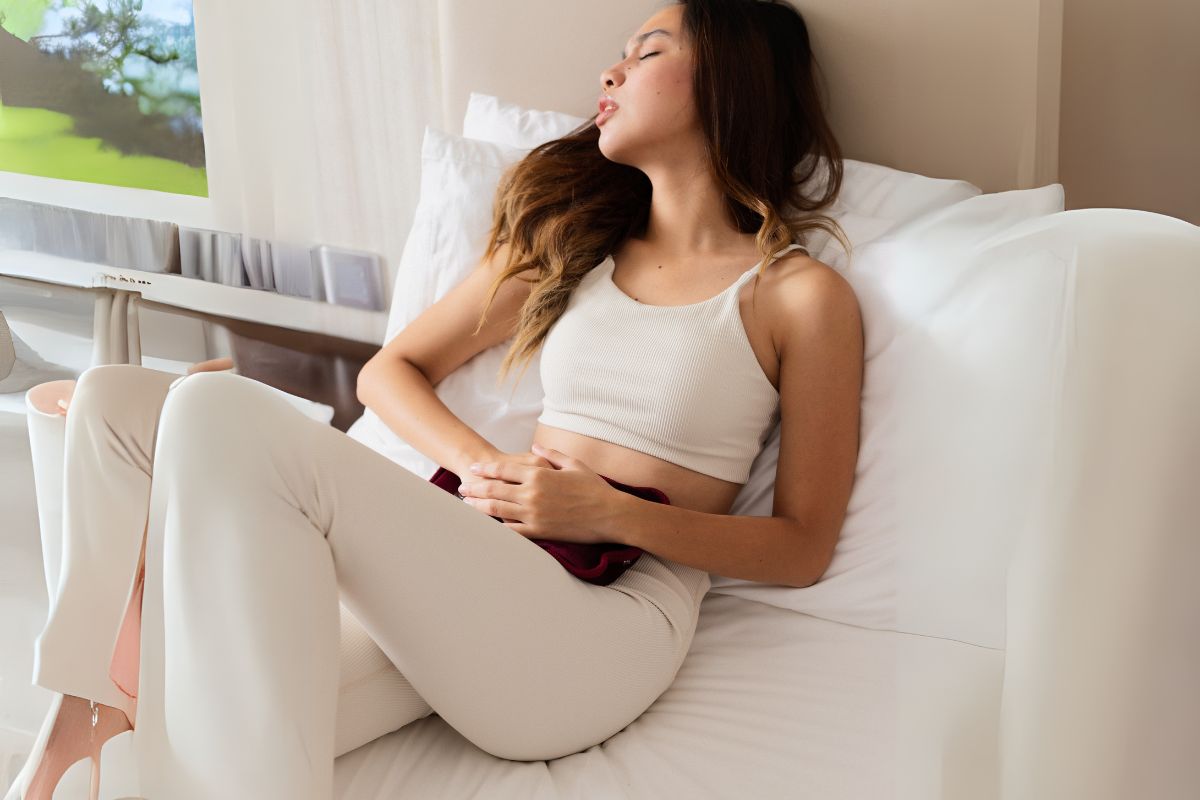
Do you find yourself curled up in pain every month, dreading the arrival of your period because of the cramps that come with it? Menstrual cramps medically known as dysmenorrhea affect a huge number of women and can genuinely disrupt daily life, from missing school or work to just feeling unable to function normally. The good news is that period pain is very manageable once you understand what’s actually driving it. This guide covers why period cramps happen, how to find real relief, and when the pain is worth getting checked out.
How Do Menstrual Cramps Occur?
Every menstrual cycle, your uterus builds up a thick inner lining in case of a possible pregnancy. When pregnancy doesn’t happen, your body releases chemical compounds called prostaglandins, which cause the uterus to contract and shed that lining. These contractions briefly cut down blood flow to the uterine muscle, and that’s exactly what produces the cramping pain you feel during your period. The more prostaglandins your body produces, the stronger the contractions and the more intense the cramps.
What Causes Period Cramps?
At its core, period pain comes down to the uterus contracting to release its lining, driven by rising prostaglandin levels during menstruation. Higher prostaglandin levels mean stronger contractions and more noticeable pain. For most women, cramps last around 1–2 days at the start of the period, though this varies quite a bit from person to person.
Why Are Menstrual Cramps More Severe in Some Women?
If your cramps feel worse than your friend’s, prostaglandins are usually the reason women who naturally produce more of them tend to have stronger uterine contractions and more intense pain. But it’s not always just prostaglandins. Underlying conditions like endometriosis, adenomyosis, uterine fibroids, PCOS, or pelvic inflammatory disease (PID) can all make menstrual cramps considerably worse, and often need their own separate evaluation and treatment.
Types of Menstrual Cramps
Not every case of period pain has the same root cause. Medically, dysmenorrhea falls into two categories:
Primary Dysmenorrhea
This is the most common type, and it isn’t linked to any underlying condition it’s simply the result of prostaglandins triggering uterine contractions to shed the lining. Primary dysmenorrhea typically:
Begins within 6–12 months of your first period
Starts just before or right at the beginning of menstruation
Lasts 1–3 days
Often becomes milder with age or after childbirth for some women
Secondary Dysmenorrhea
This type is caused by an underlying reproductive health condition, and it behaves differently pain often starts several days before your period and can continue even after the bleeding stops. Common underlying causes include:
Endometriosis
Adenomyosis
Uterine fibroids
Pelvic inflammatory disease (PID)
Ovarian cysts
PCOS (Polycystic Ovary Syndrome)
If your pain pattern looks more like this, it’s worth getting a proper gynaecological evaluation rather than just pushing through it every month.
How Long Do Period Cramps Last?
For most women, cramps begin one to two days before menstruation starts, or right on the first day of bleeding. The pain is usually most intense during the first 24 hours and gradually eases over the next two to three days. If your cramps are still severe beyond three days, that’s a good reason to get it evaluated rather than assuming it’s just a bad month.
Risk Factors for Menstrual Cramps
Some women are simply more prone to painful periods than others. Factors that raise the likelihood include:
Starting menstruation at an early age
Heavy or prolonged menstrual bleeding
High prostaglandin production
Family history of painful periods
Smoking
High stress levels
Being overweight or obese
Lack of regular physical activity
Underlying conditions such as endometriosis, adenomyosis, or uterine fibroids
None of these guarantee painful periods, but a healthy lifestyle and timely medical care can genuinely help keep symptoms in check.
Symptoms of Period Cramps
Period cramps rarely show up alone they usually bring a cluster of related symptoms with them:
Lower abdominal pain: A dull, throbbing ache that can range from mild to severe
Lower back pain: Common alongside abdominal cramping
Pain radiating to the thighs or legs
Nausea and vomiting: Prostaglandins affect the digestive system too, not just the uterus
Headaches or migraines: Linked to hormonal shifts during menstruation
Fatigue or weakness
Dizziness or lightheadedness
Diarrhoea or constipation
Bloating
Mood swings or irritability
Where Are Menstrual Cramps Usually Felt?
Menstrual cramps are most commonly felt in the:
Lower abdomen
Lower back
Pelvic region
Inner thighs
The pain itself can feel dull, throbbing, aching, or sharp, and it often radiates outward from the lower abdomen into the back or legs.
Treatment for Period Cramps
Over-the-counter pain relievers: NSAIDs like ibuprofen, naproxen, and mefenamic acid work by reducing the prostaglandins responsible for cramping. They tend to work best when taken right at the start of your cramps, rather than waiting until the pain peaks though they should only be used as advised by your doctor.
Heat therapy: A heating pad on your lower abdomen or back helps relax the uterine muscle and ease pain.
Exercise: Regular physical activity improves blood flow to the pelvic area, which can genuinely reduce cramp intensity over time.
Diet: Anti-inflammatory foods omega-3-rich fish, leafy greens, ginger can help take the edge off cramps.
Hormonal birth control: If over-the-counter options aren’t cutting it, your doctor may suggest oral contraceptive pills, contraceptive patches, vaginal rings, or hormonal IUDs, depending on what suits your situation. These work by regulating the hormonal swings that drive cramping.
How Are Menstrual Cramps Diagnosed?
Most cases of primary dysmenorrhea can be diagnosed simply from your symptoms and menstrual history. Your doctor may also ask about your medical history and any family history of painful periods before deciding if further testing is needed. If the pain is unusually severe, sudden, or worsening over time, additional tests can help rule out an underlying condition:
Pelvic examination
Pelvic ultrasound, to check for fibroids, ovarian cysts, or adenomyosis
Transvaginal ultrasound, for a more detailed view of the uterus and ovaries
MRI, in select cases requiring further imaging
Laparoscopy, if endometriosis is suspected and imaging alone isn’t conclusive
Can Menstrual Cramps Cause Complications?
Mild cramps typically don’t lead to long-term problems. But severe or ignored menstrual pain especially when tied to an underlying condition can genuinely affect both physical and emotional wellbeing:
Reduced quality of life
Missing school, college, or work regularly
Difficulty managing daily activities
Poor sleep quality
Anxiety or low mood linked to chronic pain
Fertility challenges, particularly in women with endometriosis or PID
Can Menstrual Cramps Affect Fertility?
By itself, ordinary period pain (primary dysmenorrhea) doesn’t affect fertility. But when cramps are a symptom of something else endometriosis, adenomyosis, uterine fibroids, or PID that underlying condition can interfere with conception, sometimes significantly.
This is exactly why persistent or unusually severe cramps shouldn’t just be brushed off as “normal periods being difficult” getting the actual cause diagnosed protects your reproductive health down the line, not just your comfort this month.
Home Remedies for Menstrual Cramps
Mild to moderate cramps can often be managed well at home:
Applying a heating pad or hot water bottle to the lower abdomen
Taking a warm bath to help relax the pelvic muscles
Light exercise such as walking or yoga
Gentle stretching and breathing exercises to ease muscle tension
Massaging the lower abdomen in slow, circular movements for temporary relief
Staying well hydrated
Eating magnesium-rich foods like leafy greens, nuts, and seeds
Sipping herbal teas such as ginger or chamomile
Avoiding excess caffeine, alcohol, and processed foods during your period
Getting enough rest and managing stress through relaxation techniques
Can Menstrual Cramps Be Prevented?
Cramps can’t always be prevented entirely, but certain habits can meaningfully reduce their severity:
Exercising regularly
Eating a balanced diet rich in fruits, vegetables, whole grains, and omega-3 fatty acids
Staying well hydrated
Including magnesium-rich foods in your diet
Managing stress through meditation, yoga, or deep breathing
Getting 7–9 hours of quality sleep each night
Avoiding smoking and limiting alcohol
Maintaining a healthy body weight
Tracking your menstrual cycle and noting your symptoms early — this makes it far easier to spot patterns and manage cramps proactively, rather than being caught off guard each month
Myths About Period Cramps
Myth: “Period cramps are just something you have to deal with.”
Truth: While cramps are common, they don’t have to disrupt your life. Effective treatments genuinely help.
Myth: “Painful periods are always a sign of endometriosis.”
Truth: Cramps are normal for most women. But pain that’s unusually severe or lasts longer than expected can point to an underlying condition like endometriosis or fibroids it’s worth checking, not assuming.
Myth: “Period cramps go away after childbirth.”
Truth: Some women do notice relief after childbirth, but that’s not universal cramps can persist well into adulthood regardless.
When to See a Doctor
While mild to moderate cramps are common, don’t ignore pain that’s severe or persistent. Consult a doctor if you experience:
Severe pain that keeps you from attending school, work, or daily activities
Pain lasting longer than 2–3 days
Cramps that keep getting worse over time
Heavy menstrual bleeding or passing large blood clots
Fever, chills, or foul-smelling vaginal discharge
Pain during sexual intercourse
Pain between menstrual periods
Cramps that don’t improve with pain relievers or home remedies
Difficulty becoming pregnant
If you’re experiencing any of these, don’t brush it off book an online consultation with HealthPil’s experienced gynaecologists for an accurate diagnosis and a personalised treatment plan.
How HealthPil Can Help
If you’re struggling with severe period cramps, HealthPil connects you with gynaecologists who specialise in menstrual health. Book a consultation today for effective treatment options.
Summary
This blog explains menstrual cramps (dysmenorrhea), including how they occur, their causes, types, duration, risk factors, symptoms, pain locations, diagnosis, treatment options, home remedies, prevention, possible complications, and their impact on fertility. It also debunks common myths about period pain and highlights when to seek medical attention, encouraging women with severe or persistent symptoms to book an online consultation with HealthPil’s experienced gynaecologists for accurate diagnosis and personalised treatment.
FAQ
1. Are menstrual cramps normal?
Mild to moderate menstrual cramps are common during menstruation and are usually caused by uterine contractions. However, severe pain that interferes with daily activities or worsens over time should be evaluated by a doctor.
2. How long do menstrual cramps usually last?
Menstrual cramps typically begin one to two days before or on the first day of your period. They are usually most severe during the first 24 hours and improve within two to three days.It’s a good idea to see a doctor to rule out underlying illnesses if your cramps are severe or interfere with your everyday activities.
3. What is the fastest way to relieve menstrual cramps?
While some discomfort is quite normal during periods, you should see a doctor if your cramps are severe and last for several days.
4. Can menstrual cramps affect fertility?
Yes, regular exercise, a balanced diet, and stress management techniques like yoga can help reduce the severity of cramps.
5. When should I see a doctor for menstrual cramps?
You should consult a doctor if your menstrual cramps are severe, last longer than 2–3 days, worsen over time, do not improve with pain relievers, occur between periods, or are accompanied by heavy bleeding, fever, or difficulty becoming pregnant.
References
- Carlson K, Nagy H, Khan MAB. Dysmenorrhea. StatPearls Publishing. Available at:
NCBI Bookshelf - Itani R, Soubra L, Karout S, Rahme D, Karout L, Khojah HMJ. Primary Dysmenorrhea: Pathophysiology, Diagnosis, and Treatment Updates. Available at:
PMC
Disclaimer:
This article is for educational purposes only. Please consult a physician for a personalised diagnosis and treatment plan.

Read our editorial policy