

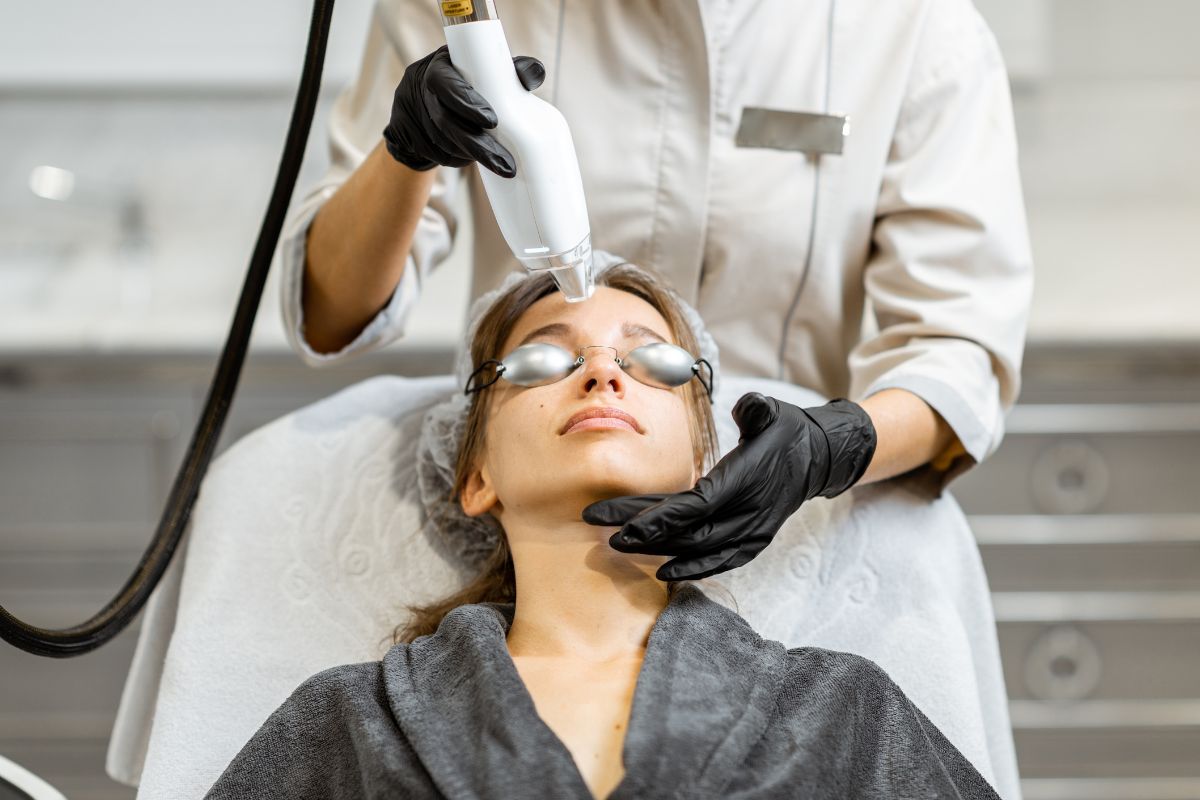
Thinking about laser therapy for your skin? Wondering if it’s safe, or whether it could cause long-term damage? Here’s a complete, practical guide to laser skin treatments how they actually work, what the real risks are, what to expect before and after, and why a qualified dermatologist isn’t optional for this kind of procedure.
What Is Laser Skin Therapy?
Laser skin therapy uses focused light energy to treat concerns like acne, hyperpigmentation, wrinkles, and scars. Depending on the wavelength and intensity used, a laser device can remove damaged skin layers, heat deeper tissue to stimulate collagen, or do both all aimed at producing smoother, more even, younger-looking skin.
The Bigger Picture: Two Broad Power Categories
Before getting into the skin-specific types below, it helps to know that laser therapy generally falls into two power categories:
- Low-Level Laser Therapy (LLLT), also called cold laser therapy: uses low-intensity light that doesn’t heat tissue. It works through a process called photobiomodulation the light energy stimulates mitochondria in cells to produce more ATP (cellular energy), which improves blood circulation, speeds tissue repair, and reduces inflammation. It’s often compared to photosynthesis in plants: light goes in, usable cellular energy comes out. This category is mostly used for pain management and wound healing rather than cosmetic skin resurfacing.
- High-Intensity Laser Therapy (HILT): uses much higher-power lasers that generate real heat, allowing for cutting, vaporising, or coagulating tissue. This is the category that skin resurfacing treatments the ones covered below fall into. Both LLLT and HILT are examples of how laser technology has been adapted for very different medical purposes, from pain relief to laser surgery.
Types of Laser Therapy for Skin
Ablative Laser Therapy
Removes the outer layer of damaged skin entirely and heats the underlying dermis, triggering the body’s natural wound-healing process to grow new, smoother skin. Commonly used for deep wrinkles, significant acne scarring, and aggressive skin resurfacing. It typically involves a noticeable recovery period while new skin forms this is the most intensive option of the three.
Non-Ablative Laser Therapy
Heats the deeper layers of skin (the dermis) without removing or damaging the surface layer. This stimulates collagen production and cellular renewal from within, without the downtime of ablative treatment. Effective for fine lines, mild pigmentation, and general skin rejuvenation though because it’s gentler, multiple sessions are usually needed for visible results, unlike the more immediate effect of ablative treatment.
Fractional Laser Therapy
Can be either ablative or non-ablative in effect, but works differently from both: instead of treating the entire skin surface, it delivers energy in thousands of microscopic treatment zones, leaving the surrounding tissue untouched. This “fractionated” approach means faster healing and reduced downtime while still achieving meaningful results for wrinkles, acne scars, and sun damage it’s often described as bridging the gap between full ablative and non-ablative treatment.
The Mechanism Behind Hair Removal and Tattoo Removal Lasers (Worth Knowing)
If you’re considering laser therapy more broadly, it’s worth knowing the underlying principle is called selective photothermolysis the laser is tuned to a wavelength that specific pigments absorb selectively. In laser hair removal, melanin in the hair shaft absorbs the laser energy and destroys the follicle; in tattoo removal, different wavelengths break down specific ink particle colours.
This is also why tattoo removal results depend heavily on ink colour black and dark inks respond best, while lighter colours (yellows, light blues) are considerably harder to fully remove, and complete removal is never guaranteed for every tattoo.
How Does Laser Therapy Work? (Step by Step)
- The treatment area is cleaned
- Protective eye shields (goggles) are provided to both patient and staff this is non-negotiable, since direct laser exposure can cause serious eye injury
- A cooling gel or topical anaesthetic may be applied to reduce discomfort, particularly for more intensive procedures
- The dermatologist delivers precise laser pulses to the target area wavelength, pulse duration, and energy settings are all calibrated to the specific skin concern and skin type
- Cooling devices may run simultaneously to protect the skin surface and improve comfort
- Session duration typically runs 15–60 minutes depending on the treatment area and laser type some sessions can run longer for larger areas
Benefits of Laser Therapy
When performed by an experienced dermatologist, laser therapy offers:
- Precise treatment with minimal damage to surrounding tissue
- Stimulated collagen production
- Improved skin texture and tone
- Reduced acne scars and pigmentation
- A minimally invasive, and in some cases fully non-invasive treatment approach
- Faster recovery compared to traditional procedures
- Lower infection risk than open surgical alternatives
- Long-lasting cosmetic results
Potential Side Effects of Laser Skin Therapy
Common, Temporary Effects
- Redness and swelling: expected immediately after treatment, usually subsiding within a few days
- Temporary sensitivity or mild stinging/pain at the treated area
- Peeling, particularly after ablative treatments, as new skin forms
Less Common but Important Risks
- Scarring: a real risk, particularly with ablative lasers or if the procedure isn’t performed correctly, or if you have certain skin sensitivities
- Hyperpigmentation or hypopigmentation: the treated skin can become darker or lighter than surrounding skin this risk is notably higher in people with darker skin tones, which is exactly why laser selection needs to be matched to skin type
- Infection: rare, but possible if the skin isn’t cared for properly afterward
- Burns: a real risk if performed by an untrained operator using incorrect settings this is one of the strongest arguments for choosing a qualified dermatologist over a non-medical aesthetic provider
- Incomplete results or recurrence: not every condition responds fully to laser treatment, and some conditions may return over time regardless of how well the procedure was performed
What Increases These Risks
- A skin type or tone unsuitable for the specific laser being used
- Use of photosensitising medications (drugs that increase light sensitivity)
- Active skin infections or cold sores at the treatment site
- An inexperienced operator or outdated, poorly calibrated equipment
Who Is a Good Candidate for Laser Therapy?
Laser therapy may suit people with:
- Acne scars
- Fine lines and wrinkles
- Sun-damaged skin
- Hyperpigmentation
- Uneven skin tone
- Enlarged pores
- Certain birthmarks or vascular lesions
That said, suitability always depends on individual skin type, medical history, and the specific condition this is precisely why a proper consultation, not a generic treatment menu, has to come first.
Who Should Avoid Laser Therapy?
A dermatologist may advise against laser treatment if you have:
- Active skin infections or open wounds
- Pregnancy laser therapy is generally not recommended during pregnancy due to limited research on effects on foetal development; always disclose pregnancy or plans to conceive
- A history of keloid scarring
- Recent tanning or significant sun exposure
- Photosensitive disorders
- Certain medications that increase light sensitivity
Age note: for cosmetic laser procedures, minors typically require parental consent, and treatment decisions for children are guided by medical necessity (for example, certain vascular birthmarks) rather than cosmetic preference.
Why Should You Only Consult a Dermatologist for Laser Therapy?
Laser therapy is an advanced treatment that genuinely requires trained expertise to be both safe and effective. A qualified dermatologist ensures:
- Personalised treatment: your specific skin type is properly evaluated before any laser is selected this single step is what prevents most of the serious risks (burns, permanent pigmentation changes) associated with laser therapy
- Risk minimisation: using the correct laser type and technique for your skin dramatically lowers the chance of adverse effects
- Proper aftercare guidance: post-treatment care is what actually determines your final results and recovery — this isn’t optional guidance, it’s part of the treatment itself
Preparing for Laser Therapy
- Avoid direct sun exposure and tanning (including self-tanners) for 2–4 weeks before treatment
- Stop using retinoids or exfoliating products if advised by your dermatologist
- Inform your doctor about all current medications and supplements some can interfere with how your skin responds to laser light or heals afterward, and blood-thinning medications may need to be temporarily paused to reduce bruising risk
- Avoid waxing, plucking, or chemical peels before treatment, particularly for hair-removal lasers
- Follow all specific pre-treatment instructions your dermatologist provides these vary by laser type and treatment area
- Arrange transportation if any sedation is used, or if the procedure might temporarily affect your vision
Recovery After Laser Therapy
Recovery depends heavily on which laser type was used:
- Mild redness, swelling, and temporary sensitivity are common across almost all laser types
- Peeling is more likely with ablative treatments as new skin surfaces
- Sun protection is non-negotiable during recovery strict avoidance of direct sun exposure for several weeks (sometimes months) is essential, since sun-exposed healing skin is significantly more prone to hyperpigmentation
- Activity restrictions may apply depending on the procedure avoiding strenuous exercise, hot baths, saunas, or swimming for a defined period is common
- Following all post-treatment instructions and using sunscreen consistently genuinely improves both healing speed and final results
How Many Sessions Will You Actually Need?
This varies significantly by condition and laser type, but as a general guide: many patients start noticing improvement after 3–5 sessions, while a full treatment course for more significant concerns (deep scarring, extensive pigmentation) may need 6–12 sessions or more. Your dermatologist will set expectations specific to your condition be cautious of any provider promising a fixed, low number of sessions before even examining your skin.
Is Laser Therapy Covered by Insurance?
Generally, purely cosmetic laser procedures are not covered by insurance, while laser treatments addressing a genuine medical condition (certain skin lesions, some vascular conditions) may be, depending on your specific policy. It’s worth confirming directly with your insurer before booking a cosmetic procedure expecting reimbursement.
When to See a Dermatologist for Laser Therapy
Beyond the general safety principle of never getting laser treatment from an unqualified provider, specifically consult a dermatologist first if:
- You’re considering laser therapy for acne scars, pigmentation, or wrinkles and haven’t had a professional skin-type assessment yet
- You have any of the conditions listed under “who should avoid laser therapy” above
- You’ve had a laser treatment elsewhere and are experiencing side effects that aren’t resolving within the expected timeframe (persistent redness, worsening pigmentation, signs of infection)
- You’re unsure whether ablative, non-ablative, or fractional treatment is right for your specific concern this decision genuinely changes both your results and recovery time, and isn’t one to make from a price list alone
If arranging an in-person dermatology consultation isn’t convenient as a first step, an online consultation can help you understand whether laser therapy is appropriate for your skin and condition before committing to an in-person procedure. HealthPil connects you with experienced dermatologists who specialise in laser skin therapy, whether you’re looking to treat wrinkles, acne scars, or hyperpigmentation, with treatment plans tailored to your specific skin type.
Summary
Laser skin therapy is a safe and effective treatment for concerns such as acne scars, wrinkles, hyperpigmentation, sun damage, and uneven skin texture when performed by a qualified dermatologist. Different laser technologies including ablative, non-ablative, and fractional lasers—work in different ways, making professional evaluation essential for choosing the right treatment. While temporary side effects like redness, swelling, and peeling are common, serious complications such as burns, scarring, or pigmentation changes are uncommon when proper laser selection, expert care, and post-treatment instructions are followed.
Most people require multiple treatment sessions to achieve the best results, and consistent sun protection plays a crucial role in recovery. Consulting a dermatologist before undergoing laser therapy ensures a personalised treatment plan, reduces risks, and helps achieve safe, long-lasting results.
Frequently Asked Questions
1. Is laser skin therapy safe?
Yes. Laser skin therapy is generally safe when performed by a qualified dermatologist using the appropriate laser technology for your skin type and condition. A professional consultation helps minimise the risk of burns, scarring, or pigmentation changes.
2. Does laser therapy hurt?
Most people experience only mild discomfort during laser therapy. Depending on the type of laser and treatment area, your dermatologist may apply a topical anaesthetic or cooling device to make the procedure more comfortable.
3. How many laser therapy sessions are needed?
The number of sessions depends on your skin concern, laser type, and treatment goals. Many people notice improvement after 3–5 sessions, while deeper acne scars, pigmentation, or wrinkles may require 6–12 sessions for optimal results.
4. What are the common side effects of laser skin therapy?
Temporary redness, swelling, mild discomfort, and peeling are the most common side effects after laser treatment. These usually resolve within a few days. Serious complications such as burns, scarring, or pigmentation changes are uncommon when the procedure is performed by an experienced dermatologist.
5. Who should avoid laser therapy?
Laser therapy may not be suitable for people with active skin infections, open wounds, recent tanning, a history of keloid scars, photosensitive disorders, or those taking certain light-sensitive medications. Pregnant women should also consult their doctor before considering laser treatment.
6. What should I do after laser therapy?
After laser treatment, protect your skin from direct sunlight, apply sunscreen daily, follow your dermatologist’s skincare instructions, and avoid harsh skincare products, hot baths, saunas, and strenuous exercise until your skin has healed properly.
7. When should I consult a dermatologist for laser therapy?
You should consult a dermatologist if you are considering laser treatment for acne scars, wrinkles, pigmentation, uneven skin tone, or other skin concerns. A dermatologist can assess your skin type, recommend the most suitable laser, explain potential risks and benefits, and create a personalised treatment plan for safe and effective results.
References
- Tierney EP, Hanke CW. Fractional Photothermolysis for Skin Rejuvenation and Dermatologic Conditions. Available at:
PubMed - Tierney EP, Hanke CW. Fractional Photothermolysis for Skin Rejuvenation and Dermatologic Conditions. Available at:
PMC
Disclaimer:
This article is for informational purposes only. Always consult a qualified healthcare provider for proper diagnosis and treatment of skin conditions with laser therapy.

Read our editorial policy