

Almost every Indian household has one. A bottle of bhringraj oil tucked in the bathroom shelf. Amla oil your grandmother swore by. Coconut oil massaged into your scalp every Sunday, growing up.
And yet hair still falls. On the pillow. In the shower drain. On the comb, more than it used to.
So the question comes up eventually: does Ayurvedic oil for hair loss actually work? Or have we all just been following tradition without asking if the science backs it up?
This guide looks at what Ayurvedic oils genuinely do for hair health, what they can’t do, and where the real evidence stands so you can make an informed choice, not just a hopeful one.
What Are Ayurvedic Oils?
Ayurvedic oils are herbal oils used in traditional Indian medicine to support health and wellbeing. For hair specifically, oils like bhringraj, amla, and coconut oil are used to nourish the scalp, support blood circulation, and strengthen hair strands. These oils are often seen as natural alternatives to conventional hair loss treatment, rooted in centuries of traditional Indian medicine.
They’re affordable, widely available, and deeply woven into everyday hair care habits across the country. But “traditional” and “effective for reversing hair loss” aren’t automatically the same thing and that distinction matters.
Common Ayurvedic Oils Used for Hair Care
Several herbal oils are traditionally used for hair nourishment and scalp health. Here’s what each one is actually known for:
Bhringraj Oil — Called the “king of herbs” for hair in Ayurvedic tradition. Its active compound, wedelolactone, has shown some promise in animal studies for supporting the hair growth cycle, though robust human clinical evidence is still limited.
Amla Oil — Rich in antioxidants and vitamin C. Laboratory studies suggest amla may help protect hair follicles from oxidative stress, a factor linked to hair ageing and hair thinning. It’s also known to improve hair shine and reduce dryness.
Coconut Oil — Perhaps the most studied of the group. Unlike many other oils that simply coat the hair surface, coconut oil’s molecular structure allows it to actually penetrate the hair shaft. This helps reduce protein loss during washing, which is a genuine, evidence-backed mechanism behind why it reduces breakage and improves hair conditioning.
Sesame Oil — Traditionally used to deeply nourish the scalp and support blood circulation. Often used as a carrier oil for herbal infusions like bhringraj.
Almond Oil — Rich in Vitamin E, helps soften hair and reduce tangles, improving overall hair texture, though it doesn’t have strong evidence for directly stimulating hair regrowth.
Do Ayurvedic Oils Really Work for Hair Loss?
Here’s the honest answer: Ayurvedic oils may genuinely improve scalp health and hair condition, but there’s limited large-scale clinical evidence proving they can reverse hair loss on their own.
What they do reliably support:
- Nourishing the scalp — oils like bhringraj and amla may improve blood circulation to hair follicles, which can support a healthier environment for hair growth
- Conditioning hair strands — reducing breakage and dryness, making hair look visibly healthier and shinier
- Reducing dandruff — oils like coconut oil can soothe a dry, flaky scalp, which itself can contribute to hair fall
What they’re unlikely to do on their own is reverse genetic hair loss or significant hair thinning. That distinction is important, and it’s where a lot of disappointment with these oils actually comes from not because the oils don’t work at all, but because they’re being asked to do something they were never proven to do.
How Ayurvedic Oils Support Scalp and Hair Health
Regular scalp massage with suitable Ayurvedic oils may:
- Improve blood circulation to the scalp
- Nourish hair follicles and hair roots
- Reduce scalp dryness
- Minimise hair breakage
- Improve hair texture and shine
- Help reduce dandruff
- Support overall scalp health
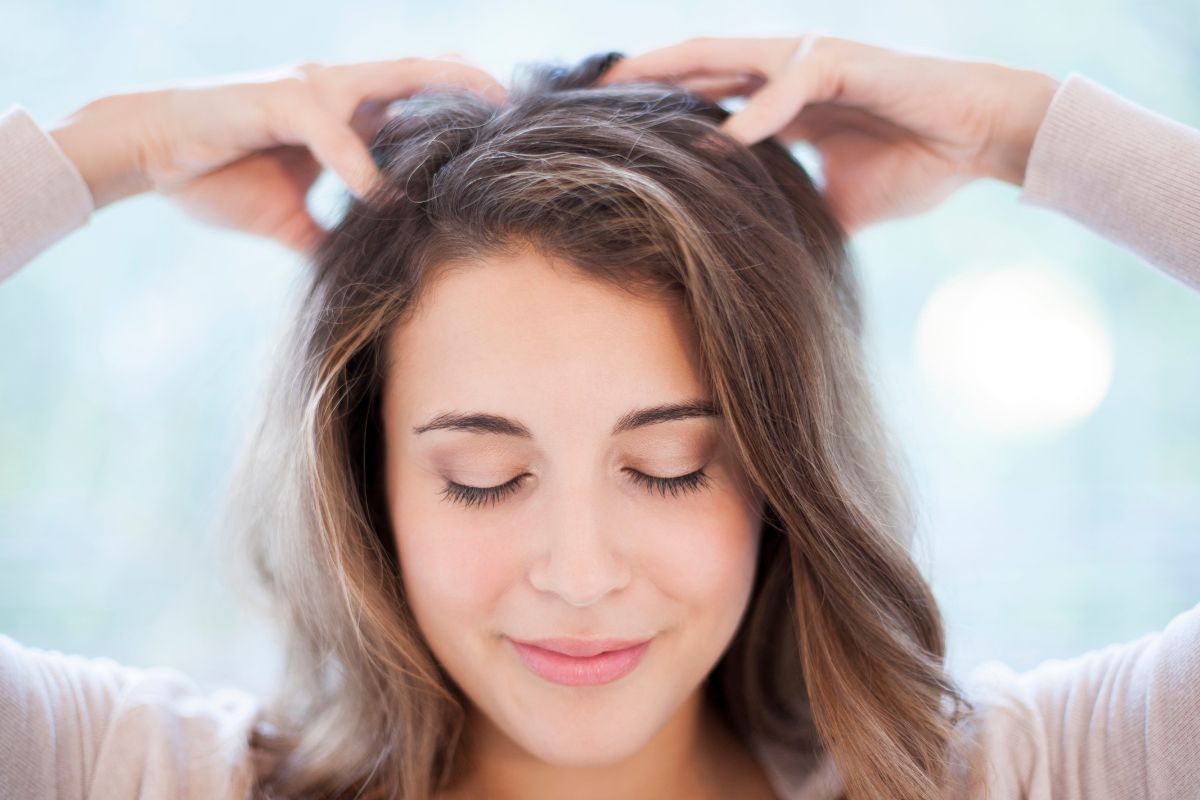
The massage itself not just the oil plays a real role here. The physical act of massaging the scalp is thought to stimulate hair follicles and increase blood flow, helping deliver nutrients to the hair root more effectively. This is one reason many dermatologists don’t dismiss Ayurvedic hair oiling entirely, even while noting the lack of rigorous clinical trials.
What Does Scientific Evidence Actually Say?
Ayurvedic oils have centuries of traditional use behind them, but modern scientific evidence for treating hair loss specifically remains limited and mixed.
- Coconut oil has reasonably solid evidence for reducing protein loss and improving hair strand health during washing this is one of the better-supported claims in the group.
- Bhringraj has shown encouraging results in animal and laboratory studies, including research suggesting its active compound may activate cells involved in hair follicle cycling. But large-scale human clinical trials are still lacking.
- Amla shows protective effects against oxidative stress in lab studies, though direct evidence for hair regrowth in humans is limited.
- A small clinical study on a combined Ayurvedic hair oil formulation over 8 weeks showed some improvement in hair fall and dandruff among participants a promising early signal, but a small sample size that needs replication in larger trials.
The honest scientific position: promising traditional use and early-stage research, but not yet enough robust human evidence to call these oils a standalone cure for hair loss.
Which Type of Hair Loss Can Ayurvedic Oils Help?
Ayurvedic oils may genuinely help with:
- Dry scalp
- Mild hair breakage
- Dandruff-related hair fall
- Hair damage caused by dryness or heat styling
- Poor scalp nourishment
- General hair thinning linked to nutritional or lifestyle factors
They are unlikely to reverse:
- Genetic hair loss (Androgenetic Alopecia) — the most common cause of progressive hair thinning and pattern baldness in both men and women
- Severe or advanced hair thinning
- Autoimmune hair loss (Alopecia Areata) — sudden, patchy hair loss
- Hair loss caused by hormonal disorders — such as thyroid conditions or PCOS
- Advanced pattern baldness
If your hair loss falls into this second category, oils can still be part of your routine for scalp comfort and hair conditioning but they shouldn’t be the only thing you’re relying on.
How to Use Ayurvedic Oils Correctly
For the best results with Ayurvedic hair oils:
- Warm the oil slightly before application this helps it spread more evenly and may improve absorption
- Apply directly to the scalp, not just the hair strands
- Massage gently for 5 to 10 minutes using your fingertips, working in small circular motions
- Leave it on for 30 to 60 minutes, or overnight if it suits your scalp and hair type
- Many people find applying oil as an overnight pre-shampoo treatment works better than a short application the extra time allows deeper penetration, especially with coconut oil
- Wash out thoroughly with a mild shampoo
- Use consistently 2 to 3 times a week is generally recommended for noticeable results over time
Consistency matters more than any single application. Hair growth and scalp health respond to routines built over weeks and months, not one-off treatments.
Are Ayurvedic Oils Safe for Everyone?
Ayurvedic oils are generally considered safe for most people when used correctly. That said, a few precautions genuinely matter:
- Some individuals may experience scalp irritation or an allergic reaction to specific herbal ingredients
- A patch test before regular use is a sensible precaution, especially with new products or formulations
- If you notice persistent itching, redness, or your hair loss appears to be getting worse rather than better, stop using the product and consult a dermatologist
- Not all Ayurvedic products on the market are equally regulated buying from established, reputable brands reduces the risk of contamination or poor-quality ingredients
Ayurvedic Oils vs Clinically Proven Hair Loss Treatments
It’s worth being clear-eyed about where Ayurvedic oils fit alongside medically proven treatments like minoxidil, finasteride, or platelet-rich plasma (PRP) therapy options a dermatologist may recommend for more significant hair loss.
Ayurvedic oils work best for scalp maintenance, mild thinning, and hair strengthening. Clinically proven treatments have stronger evidence specifically for stopping or slowing progressive hair loss, particularly genetic and hormonal types.
These two approaches aren’t necessarily competing many people use Ayurvedic oiling as a supportive, nourishing routine alongside a dermatologist-guided treatment plan, rather than choosing one over the other entirely.
When Should You See a Dermatologist?
Consult a hair loss specialist or dermatologist if:
- Hair loss continues for several months without improvement
- Hair thinning becomes progressively worse
- You notice bald patches or a receding hairline
- Hair fall is accompanied by scalp itching, redness, or pain
- Over-the-counter products and Ayurvedic oils don’t improve your condition after consistent use
- Hair loss develops suddenly, without an obvious cause
- You’re losing significantly more hair than usual (more than roughly 100 strands a day) for more than a few months
- Hair loss comes with other symptoms like fatigue, unexplained weight changes, or irregular periods these can point to an underlying hormonal or thyroid issue that oils won’t address
An online dermatologist consultation can help you get a proper diagnosis of what’s actually causing your hair loss genetics, hormones, nutrition, or something else before you spend months on a treatment that isn’t suited to your specific situation.
How HealthPil Can Help
HealthPil connects you with experienced dermatologists and hair loss specialists who can help you explore both traditional and modern approaches to hair care. Whether you want to understand if Ayurvedic oils are right for your hair type, need guidance on clinically proven hair loss treatments, or want a proper diagnosis for ongoing hair thinning expert support is available through an online consultation from wherever you are. Book your online dermatologist consultation with HealthPil today.
Summary
Ayurvedic oils like bhringraj, amla, coconut, sesame, and almond oil can genuinely nourish the scalp, improve hair texture, reduce breakage, and support overall hair health. Regular scalp massage with these oils may improve circulation and reduce dandruff-related hair fall. However, current scientific evidence doesn’t support them as a standalone cure for genetic hair loss, severe thinning, or hormone-related hair fall.
Coconut oil has the strongest evidence among Ayurvedic options, largely for reducing protein loss and breakage. For mild thinning, dry scalp, or general hair maintenance, Ayurvedic oils are a reasonable, low-risk choice. For persistent, progressive, or unexplained hair loss, a dermatologist consultation gives you an accurate diagnosis and a treatment plan that’s actually suited to the cause rather than guessing with home remedies alone.
Frequently Asked Questions
1. Do Ayurvedic oils really help with hair loss?
Ayurvedic oils may help improve scalp health, reduce hair breakage, and nourish hair follicles. However, there is limited scientific evidence that they can reverse genetic hair loss or severe hair thinning on their own.
2. Which Ayurvedic oil is best for hair loss?
Commonly used Ayurvedic oils include bhringraj oil, amla oil, coconut oil, sesame oil, and almond oil. The best choice depends on your scalp condition, hair type, and the underlying cause of your hair loss.
3. How often should I apply Ayurvedic oil to my hair?
For best results, gently massage the oil into your scalp 2–3 times a week, leave it on for 30–60 minutes or overnight if suitable, and wash it off with a mild shampoo. Consistent use is more important than frequent application.
4. Can Ayurvedic oils regrow hair naturally?
Ayurvedic oils may support healthier hair growth by improving scalp nourishment and reducing breakage. However, they are not proven to regrow hair in cases of genetic baldness, advanced hair thinning, or hormonal hair loss.
5. Are Ayurvedic oils safe for everyone?
For best results, gently massage the oil into your scalp 2–3 times a week, leave it on for 30–60 minutes or overnight if suitable, and wash it off with a mild shampoo. Consistent use is more important than frequent application.
6. Can Ayurvedic oils be used along with medical hair loss treatments?
Yes. Ayurvedic oils can be used as a supportive part of your hair care routine alongside dermatologist-recommended treatments such as minoxidil or other clinically proven therapies. Consult your dermatologist before combining treatments.
7. When should I consult a dermatologist for hair loss?
You should consult a dermatologist if your hair loss persists for several months, worsens over time, causes bald patches, or is accompanied by symptoms such as scalp pain, itching, redness, or sudden excessive hair shedding. Early diagnosis can help identify the underlying cause and improve treatment outcomes.
References
- Hepsibah PT, Prasad NB, Kumar PS. Standardisation of Ayurvedic Oils. Available at:
PubMed - Lahorkar P, Ramitha K, Bansal V, Anantha Narayana DB. A Comparative Evaluation of Medicated Oils Prepared Using Ayurvedic and Modified Processes. Available at:
PMC
Disclaimer:
The only purpose of this article is to provide information. For focused treatment of hair loss, always get advice from a medical professional.

Read our editorial policy