

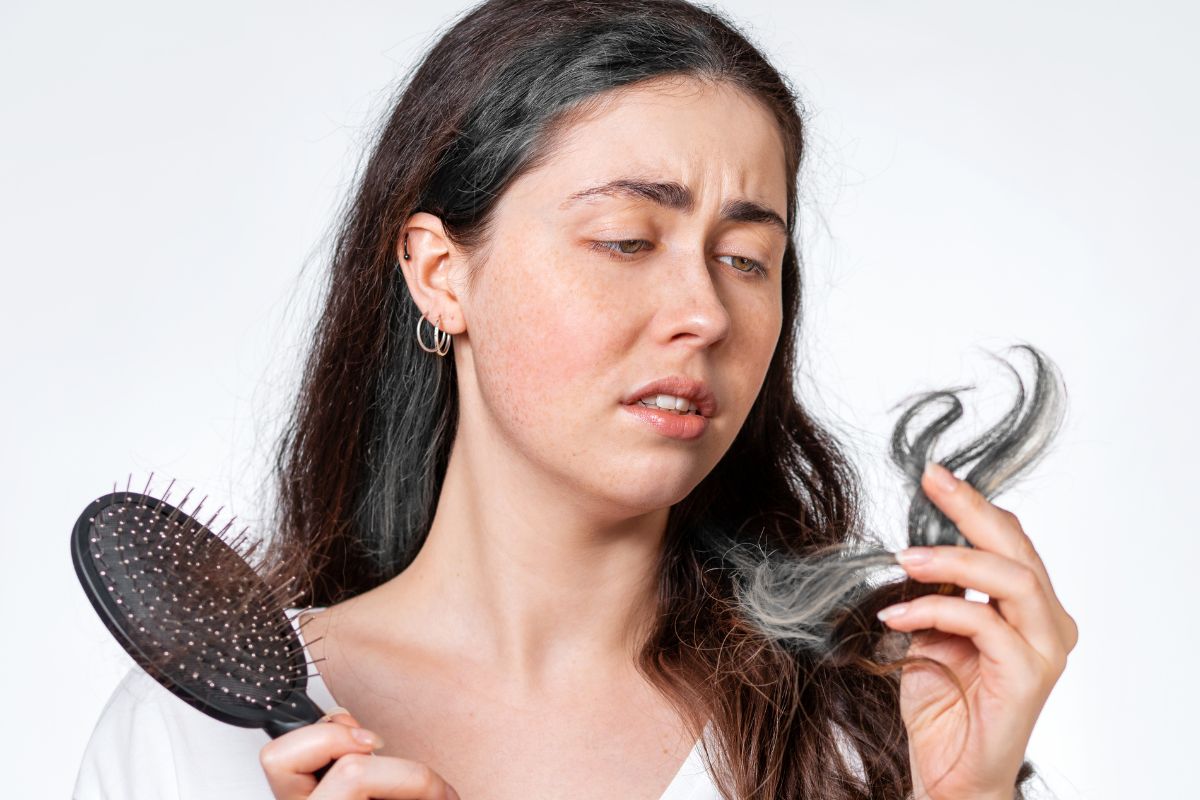
Are there more hairs on your brush, in your shower drain, or on your pillow lately? Is hair thinning making you wonder if there’s any hope of turning it around? You’re far from alone and the genuinely good news is that in many cases, there’s real help available. Here’s everything worth knowing to get your hair back on track.
Understanding Hair Fall: How Much Shedding Is Actually Normal?
Before anything else, it helps to know the baseline: most people naturally shed somewhere between 50 and 100 hairs a day as part of the normal hair growth cycle old hairs fall out while new ones grow in to replace them. Hair loss, or alopecia, happens when that balance tips more hair falling out than new hair growing back in.
Seeing a bald spot or noticeably thinning hair can be genuinely upsetting; it affects confidence, self-esteem, and emotional wellbeing well beyond just appearance. But hair loss isn’t always permanent, and with the right approach, it can often be managed, slowed, or even reversed.
How Common Is This, Really?
Hair loss is far more widespread than most people assume. Studies estimate that around 85% of men and roughly 55% of women experience some degree of hair loss in their lifetime, and specifically in India, up to 40% of Indian women notice hair loss by the time they turn 40. If you’re dealing with this, you’re dealing with something genuinely common not something unusual or alarming on its own.
Understanding the Hair Growth Cycle
Each hair follicle cycles through phases growth, transition, and resting, before the hair sheds and a new one begins growing in its place. Hair loss conditions generally work by disrupting this cycle in one of two ways: either pushing too many follicles into the resting/shedding phase at once, or gradually shrinking follicles over time so each new hair grows back finer and more prone to falling out.
Understanding which pattern you’re dealing with is exactly what separates a temporary shedding phase from a progressive, structural one.
The Different Types of Hair Loss
This is genuinely one of the most important distinctions to understand, because each type has a different cause, pattern, and treatment path:
- Androgenetic Alopecia: the most common type overall, genetic and hormone-driven. In men, it typically starts at the hairline or crown with a receding pattern; in women, it more often shows up as diffuse thinning across the top of the scalp while the hairline stays largely intact.
- Telogen Effluvium: a temporary condition where a major stressor childbirth, surgery, illness, extreme stress, rapid weight loss, or certain medications pushes an unusually large number of follicles into the resting phase at once, causing diffuse shedding a few months later. The encouraging part: this type is usually fully reversible once the trigger resolves.
- Alopecia Areata: an autoimmune condition where the immune system mistakenly attacks hair follicles, causing sudden, patchy hair loss sometimes progressing to total scalp hair loss (alopecia totalis) or total body hair loss (alopecia universalis) in more severe cases.
- Traction Alopecia: caused by ongoing tension on hair follicles from tight hairstyles tight ponytails, braids, cornrows, or extensions most visible around the hairline or wherever the pulling is concentrated.
- Trichotillomania: a psychological condition involving a compulsive urge to pull out one’s own hair, leading to patchy, irregular hair loss that can be difficult to manage without professional support.
- Cicatricial (Scarring) Alopecia: a rarer group of conditions where inflammation permanently destroys hair follicles, leading to scarring and permanent hair loss the exact triggers are often unclear and may involve autoimmune or infectious causes.
Signs of Hair Loss Worth Paying Attention To
Hair loss doesn’t always show up as an obvious bald patch it’s often more gradual than that:
- Increased shedding noticeably more hair in your brush, shower drain, or on your pillow
- Visible thinning, especially around the crown or part line
- A part line that seems to be gradually widening
- A hairline that’s receding (this happens in women too, not just men)
- Bald patches or areas of visibly sparse hair
- Hair texture changing becoming finer, more brittle, or harder to style
- More scalp visibility through your hair than before
- Hair growing noticeably slower, or struggling to grow past a certain length
- An itchy, tender, or uncomfortable scalp alongside the shedding
What Causes Hair Fall?
1. Genetic Factors (Androgenetic Alopecia)
Genetics is the leading cause of male and female pattern hair loss inherited from either side of the family, and it can begin as early as the late teens or early 20s, particularly in men. It’s progressive by nature, but it can genuinely be slowed with the right treatment.
2. Hormonal Changes
Hormonal fluctuations from pregnancy, childbirth, menopause, or conditions like PCOS (polycystic ovary syndrome) interfere directly with the hair growth cycle, triggering shedding and slower regrowth. Menopausal hair loss commonly shows up between ages 45–55, while pregnancy-related shedding tends to appear a few months postpartum as hormone levels shift back.
3. Stress and Emotional Trauma
Prolonged stress or a traumatic event can trigger telogen effluvium (explained above) hair loss that’s usually temporary and tends to reverse once the underlying stress is addressed.
4. Nutrient Deficiencies
Hair follicles weaken and shed more readily when the body lacks key nutrients iron, zinc, vitamin D, and biotin in particular. Iron deficiency specifically is a very common, often-overlooked contributor to diffuse thinning, especially in women with heavy menstrual cycles. Nutritional gaps also make it harder for new hair to grow back at a normal rate.
5. Excessive Styling and Chemical Treatments
Heat styling, tight hairstyles, and chemical treatments (colouring, straightening, relaxing) damage the hair shaft and follicles over time, contributing to breakage and, with tight hairstyles specifically, traction alopecia.
6. Medical Conditions and Medications
Thyroid disorders (both hypothyroidism and hyperthyroidism), autoimmune diseases, and scalp infections like ringworm can all cause hair loss. Certain medications chemotherapy drugs, some antidepressants, blood thinners, and hormonal contraceptives can trigger shedding as a side effect, which in most cases (chemotherapy included) reverses once the medication stops.
Is Hair Fall Reversible?
The honest, short answer: yes, in many cases though it depends heavily on the underlying cause. If the cause is genetic (androgenetic alopecia), you generally can’t stop it entirely, but you can meaningfully slow it down and prevent further loss with consistent treatment.
For other causes stress, hormonal shifts, nutritional deficiencies, medication side effects hair loss can often be fully reversed once the root cause is identified and addressed. This is exactly why figuring out which type of hair loss you’re dealing with matters more than jumping straight to a product.
Effective Solutions for Hair Fall
Minoxidil
One of the most widely recommended and genuinely evidence-backed treatments. Minoxidil is an over-the-counter, FDA-approved topical medication that stimulates hair growth by improving blood flow to hair follicles and prolonging their growth phase. It’s applied directly to the scalp, typically twice daily, and works for both men and women though results take time and reverse if you stop using it.
Finasteride
An oral medication commonly used for male-pattern baldness, working by blocking the hormone (DHT) primarily responsible for genetic hair thinning. It’s generally not prescribed for women due to potential side effects, particularly during pregnancy.
Spironolactone
Since finasteride isn’t typically an option for women, some women with hormonally-driven hair loss instead benefit from spironolactone or oral contraceptives, which help regulate the hormones contributing to thinning this is a genuinely important distinction that’s often missed in generic hair loss advice aimed at both sexes equally.
Platelet-Rich Plasma (PRP) Therapy
A treatment where a concentrated solution of platelets, drawn from your own blood, is injected into the scalp to stimulate follicle regeneration and improve hair density. It generally requires multiple sessions spaced weeks apart to see meaningful results.
Low-Level Laser Therapy (LLLT)
Devices that emit low-level laser light to the scalp are believed to stimulate inactive hair follicles and improve blood flow to the area, encouraging new growth. LLLT is available both as in-clinic treatment and handheld at-home devices, and is considered safe and non-invasive though it typically needs consistent use over several months before results become visible.
Microneedling
Creates controlled micro-injuries in the scalp, which triggers the body’s own healing and growth-factor response often used alongside minoxidil or PRP for a stronger combined effect on regrowth in thinning areas.
Hair Transplant
For more advanced or stable pattern baldness, hair transplantation offers a permanent, surgical option. Healthy follicles are taken from a donor area (usually the back or sides of the scalp, where hair tends to be more resistant to hormonal thinning) and implanted into balding areas. It’s invasive and costly, but the success rate is genuinely high for the right candidates.
Scalp Micropigmentation (SMP)
A non-surgical, tattoo-based technique that deposits tiny pigment dots on the scalp to mimic the look of hair follicles used to create the visual impression of thicker hair or to camouflage areas of scalp show-through, without addressing the underlying hair loss itself.
Nutritional Supplements
If deficiency is the driver, supplements containing biotin, iron, zinc, and vitamin D can genuinely help restore healthy hair growth alongside a diet rich in leafy greens, lean proteins, and healthy fats to nourish follicles from within. Worth checking levels with a blood test before supplementing blindly, since excess of some of these (iron in particular) can cause its own problems.
Stress Management
If stress is driving your shedding, actively working to relieve it matters as much as any product. Regular exercise, yoga, and meditation help regulate the stress hormones that contribute to hair fall.
Gentle Hair Care
Use mild, sulfate-free shampoos and moisturising, leave-in conditioners. Avoid excessive heat styling, tight hairstyles, hot oil treatments, at-home chemical colouring, and vigorous towel-drying wet hair is more fragile and prone to breakage. A wide-tooth comb or soft-bristle brush reduces unnecessary breakage during detangling.
Natural Remedies Worth Knowing About
- Coconut oil: helps moisturise the scalp, reduce protein loss from the hair shaft, and minimise breakage
- Rosemary oil: increasingly studied for its ability to improve scalp circulation and support hair growth some research suggests results comparable to low-strength minoxidil for mild thinning, though more large-scale studies are still needed
- Aloe vera: soothes the scalp and can help with dandruff-related shedding
- Scalp massage: improves blood circulation to hair follicles and can be a genuinely relaxing, low-cost addition to a hair care routine done regularly with any of the oils above
Sun and Environmental Protection
Hair and scalp can be damaged by prolonged UV exposure and environmental pollutants, contributing to weakened, brittle hair over time. A hat or scarf during extended sun exposure is a simple, often-overlooked protective habit.
Myths About Hair Loss
Myth 1: “Hair loss only affects older people.”
Fact: It can start at any age genetic hair loss can begin in the late teens or early 20s, especially in men.
Myth 2: “Hair loss means you’re unhealthy.”
Fact: While hair loss can sometimes signal an underlying health issue, plenty of shedding is simply down to stress, hormones, or genetics none of which necessarily reflect your overall health.
Myth 3: “Washing your hair more often will stop hair loss.”
Fact: Overwashing tends to dry hair out and can actually worsen fall; a mild shampoo used at a reasonable frequency keeps the scalp clean without stripping it.
Can Hair Loss Be Prevented?
Prevention isn’t always fully possible, especially with a genetic or hormonal cause but you can meaningfully reduce your risk and support healthier regrowth: eat a genuinely balanced diet with adequate protein, iron, and avoid harsh chemical treatments and tight hairstyles be gentle when detangling wet hair; keep your scalp clean with regular avoid smoking, which has been linked to both hair loss and premature greying.
How HealthPil Can Help:
Do you suffer from hair loss? In order to identify the reason behind your hair loss and suggest the most successful treatments for your problem, HealthPil links you with skilled dermatologists. Whether you need advice on hair transplants, prescriptions for Minoxidil, or specialised hair care routines, our doctors are here to help you reclaim your hair and confidence.
When Should You See a Dermatologist or Trichologist?
While shedding a few strands during your daily routine is entirely normal, it’s worth seeing a specialist if:
- Hair loss is sudden or noticeably severe over a short period
- Shedding comes with scalp itching, redness, pain, or tenderness
- You notice visible bald patches rather than general thinning
- Hair loss persists or worsens several months after pregnancy or childbirth, beyond the typical postpartum shedding window
- You have an underlying condition or are on a medication known to cause hair loss
- You have a family history of hair loss and want guidance on prevention before it progresses
- Your hair seems to be gradually thinning or growing noticeably slower over time, without an obvious cause
A dermatologist or trichologist can identify the actual underlying cause genetic, hormonal, nutritional, autoimmune, or otherwise and build a treatment plan around that specific cause. If an in-person visit isn’t convenient right now, an online consultation is a practical first step you can describe your shedding pattern, timeline, and any other symptoms, and get guidance on whether it’s something reversible or something that needs a more structured treatment plan.
Summary
Hair loss can result from genetics, hormonal changes, stress, nutritional deficiencies, medical conditions, or excessive styling. While some types of hair loss are temporary and reversible, others can be managed with early treatment. A healthy lifestyle, proper hair care, and evidence-based treatments such as Minoxidil, PRP therapy, Microneedling, and Hair Transplantation can help promote hair growth. If hair loss is persistent, severe, or sudden, consult a dermatologist for an accurate diagnosis and personalised treatment.
Frequently Asked Questions
How much hair fall is normal in a day?
Losing 50–100 hairs per day is considered normal as part of the natural hair growth cycle. Persistent or excessive shedding may require medical evaluation.
Can hair loss be reversed?
Yes, many types of hair loss caused by stress, hormonal changes, nutritional deficiencies, or certain medical conditions are reversible with timely treatment. Genetic hair loss can often be slowed with appropriate therapies.
What are the most common causes of hair loss?
Hair loss can result from genetics, hormonal imbalances, stress, nutritional deficiencies, thyroid disorders, certain medications, scalp infections, and excessive heat styling or tight hairstyles.
What treatments are available for hair loss?
Common treatment options include Minoxidil, Finasteride (for suitable candidates), Platelet-Rich Plasma (PRP) therapy, Low-Level Laser Therapy (LLLT), Microneedling, and Hair Transplantation, depending on the cause and severity of hair loss.
Can diet help reduce hair fall?
Yes. A balanced diet rich in protein, iron, zinc, biotin, and vitamin D supports healthy hair growth and may help reduce hair loss caused by nutritional deficiencies.
Do natural remedies like coconut oil or rosemary oil help with hair growth?
Natural remedies such as rosemary oil, coconut oil, aloe vera, and scalp massage may improve scalp health and support hair growth, but they should complement not replace evidence-based medical treatments.
References
- Phillips TG, Slomiany WP, Allison R. Hair Loss: Common Causes and Treatment. Available at:
PubMed - Hair Loss: A Comprehensive Review of Causes, Diagnosis, and Management. Available at:
PMC
Disclaimer:
This article is intended for informational purposes only and should not replace professional medical advice. Always consult a healthcare provider before starting any treatment for hair loss.

Read our editorial policy