

When Rajesh was told he needed a biopsy to check for prostate cancer, his first reaction wasn’t relief that answers were coming. It was fear.
“What if the biopsy makes things worse? What if it causes the cancer to spread?”
He’d heard this from a neighbour. Then from a relative. By the time he reached his oncologist’s clinic, he was seriously considering refusing the procedure altogether.
He’s not unusual. This fear that a biopsy can spread cancer is one of the most common things doctors hear from patients. And it’s completely understandable. When you’re already scared, the idea of someone inserting a needle into a tumour sounds like it could only make things worse.
But here’s the truth: it doesn’t. And refusing a biopsy out of this fear can genuinely cost someone their life.
Let’s talk about why.
What is a Biopsy, and Why Is It Needed?
A biopsy is a simple medical procedure where a doctor removes a small sample of tissue, cells, or fluid from a suspicious area in the body. That sample is then sent to a lab, where a specialist called a pathologist examines it under a microscope.
The reason a biopsy for cancer diagnosis is so important is straightforward: no imaging test not an MRI scan, not a PET-CT scan, not an ultrasound can tell a doctor with certainty whether a growth is cancerous or not. A CT scan can show that a lump exists. It cannot tell you what that lump is made of.
Only a biopsy can do that. It is the only way to get an accurate cancer diagnosis to confirm whether cancer is actually present, what type it is, how aggressive it is, and what stage it has reached. All of this information directly shapes the treatment plan. Without it, doctors are guessing. With it, they can target treatment precisely.
Can a Biopsy Spread Cancer? The Truth
No. A biopsy does not spread cancer. Modern biopsy procedures are safe, accurate, and widely used to confirm a cancer diagnosis. The risk of cancer spreading through a biopsy is extremely rare.
A concern called tumour seeding—where a few cancer cells may move along the needle path—is possible in theory but very uncommon and rarely affects treatment or survival.
The biggest risk is delaying the biopsy. An early and accurate diagnosis allows doctors to start the right treatment sooner, improving the chances of successful outcomes.
What Does The Research Say?
Research consistently shows that biopsies do not cause cancer to spread. Large clinical studies have found no significant increase in cancer spread or metastasis after biopsy procedures.
Modern image-guided biopsies, performed using ultrasound or CT scans, are highly accurate and minimise tissue damage. The rare possibility of tumour seeding is extremely uncommon and rarely affects treatment outcomes.
The medical consensus is clear: a biopsy is a safe and essential step for confirming cancer and planning the right treatment. Delaying a biopsy is far more risky than the procedure itself.
Does a Biopsy Make Cancer Grow Faster?
No. Biopsies do not cause tumours to grow faster. This is another version of the same myth, and it has no scientific basis.
Modern biopsy techniques including image-guided biopsy using ultrasound, CT, or MRI are specifically designed to minimise tissue disturbance. The procedure is quick, targeted, and controlled. There is no evidence that the tissue sampling process triggers tumour growth or makes cancer more aggressive.
Does a Biopsy Increase Cancer Stage?
No. A biopsy does not increase the stage of cancer. Cancer stage is determined by how far the cancer has already spread in the body not by any procedure done to diagnose it.
In fact, it’s the opposite: cancer staging through biopsy is what gives doctors the information they need to understand how advanced the disease is. Without a biopsy, the stage cannot be accurately determined. And without knowing the stage, the right treatment cannot be chosen.
Types of Biopsy
There are several different types of biopsy, and the one your doctor recommends depends on where the suspicious area is located and what kind of tissue needs to be sampled:
Fine needle aspiration biopsy (FNA biopsy) uses a very thin needle to collect a small number of cells or fluid. Often used for thyroid nodules, lymph nodes, and easily accessible lumps. Quick, minimally uncomfortable, and done under local anaesthesia.
Core needle biopsy — uses a slightly larger needle to remove a small cylinder of tissue. More tissue means more information particularly useful for breast cancer biopsy and other solid tumours. Also done under local anaesthesia.
Surgical biopsy — either incisional biopsy (removing part of a suspicious lump) or excisional biopsy (removing the entire lump). Used when a larger tissue sample is needed for accurate testing.
Liquid biopsy — a blood test that detects cancer cells or tumour DNA circulating in the bloodstream. Non-invasive and increasingly used for monitoring cancer progression and treatment response.
Sentinel lymph node biopsy — checks whether cancer has spread to the nearest lymph nodes. Particularly important in breast cancer and melanoma, where lymph node involvement affects staging and treatment.
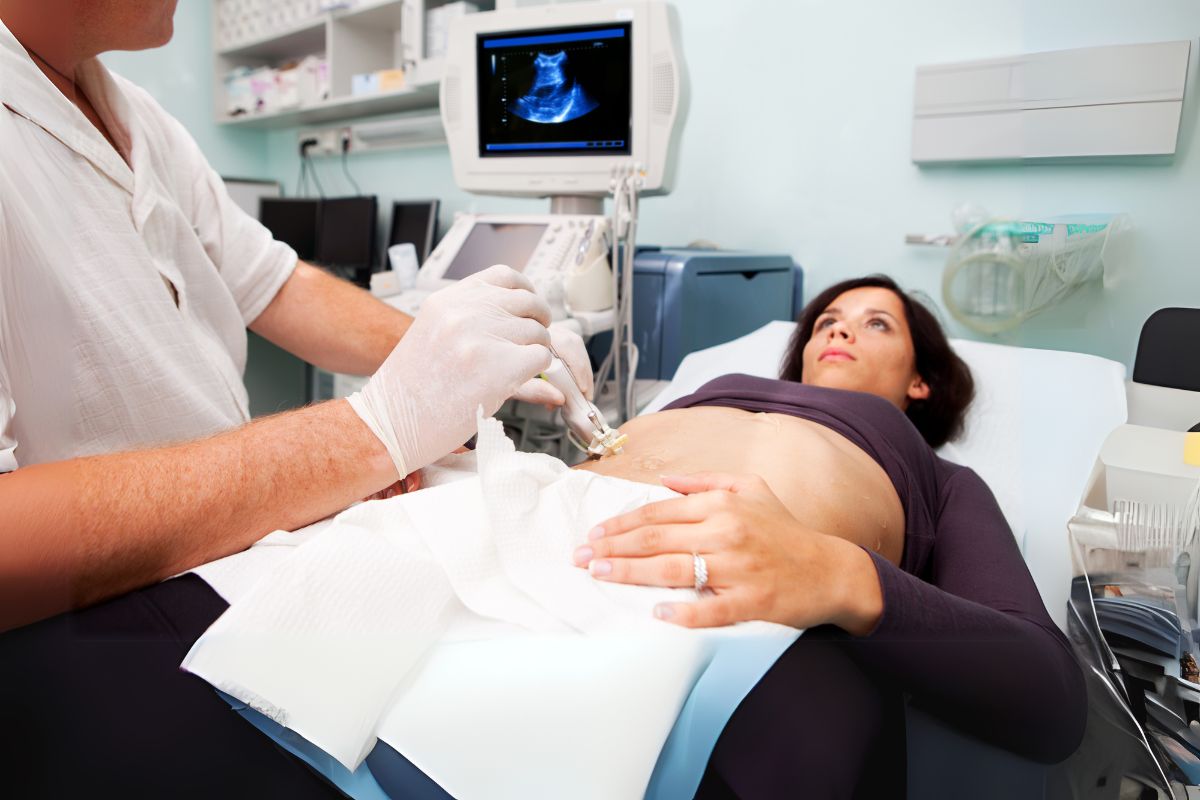
Image-guided biopsy — for tumours deep inside the body, doctors use ultrasound-guided biopsy, CT guidance, or MRI to navigate precisely to the target area. This improves accuracy and reduces risk significantly compared to older, less precise techniques.
Is a Biopsy Painful?
Most biopsies are performed under local anaesthesia meaning the area is numbed before the procedure begins. Patients typically feel pressure or a brief sting when the anaesthetic is injected, and very little after that.
The level of discomfort varies depending on where the biopsy is taken and which type is performed. A fine needle aspiration biopsy feels different from a surgical biopsy. But the vast majority of patients describe the experience as manageable and far less frightening than they expected.
A painless biopsy procedure with local anaesthesia is the standard approach for most common biopsy types. Your doctor will explain exactly what to expect beforehand.
What Are the Real Risks of a Biopsy?
Biopsies are generally very safe. The actual biopsy complications that do occasionally occur are minor and temporary:
- Bleeding after biopsy some oozing or bruising at the site is normal and usually resolves on its own within a day or two
- Infection after biopsy rare, and easily managed with basic wound care or antibiotics if needed
- Temporary swelling or discomfort around the biopsy site
These are the real risks not cancer spread. They are mild, manageable, and short-lived. Biopsy recovery time for most procedures is a matter of days.
Common Myths About Biopsy And What Is Actually True
Myth 1: A biopsy causes cancer to spread
The most common fear and the most thoroughly disproven one. Decades of research show the risk of cancer spreading due to a biopsy is extremely rare. The benefit of an accurate diagnosis far outweighs this minimal theoretical risk. Every oncologist would say the same.
Myth 2: Biopsy increases the cancer stage
Stage is determined by how far cancer has already spread in the body not by any procedure. A biopsy cannot change the stage. What it does is reveal the stage that already exists, so treatment can be matched to it accurately.
Myth 3: Biopsy makes tumours grow faster
There is no scientific evidence for this. Modern image-guided biopsy techniques are designed to minimise tissue disturbance. The procedure does not trigger tumour growth or make cancer more aggressive.
Myth 4: A negative biopsy means you are cancer-free
Not necessarily. A negative biopsy means no cancer cells were found in that specific sample. If the needle missed the abnormal area which is why imaging guidance is so important cancer could still be present. If clinical suspicion remains high after a negative result, your doctor will recommend further investigation.
Myth 5: Biopsy is only recommended when cancer is confirmed
Wrong. Biopsy is a diagnostic tool it is used to find out whether cancer is present, not just after cancer is already known. It can also help diagnose inflammatory conditions, infections, and benign tumours. Being recommended for a biopsy does not mean you have cancer.
Myth 6: Biopsies are extremely painful
Most biopsies are done under local anaesthesia. The area is numbed before anything begins. Patients typically feel pressure or a brief sting from the anaesthetic injection and very little after. The vast majority describe the experience as far less frightening than they expected.
What Happens After a Biopsy?
After the biopsy, the tissue sample is examined by a pathologist to check whether the cells are benign or cancerous. If cancer is found, the report also identifies the type and grade of cancer, helping doctors choose the most suitable treatment.
A negative biopsy usually means no cancer cells were detected. However, if scans or symptoms still strongly suggest cancer, your doctor may recommend another biopsy or additional tests, as a small number of biopsies can miss the abnormal area
How Biopsy Guides Cancer Treatment
The information from a biopsy doesn’t just confirm a diagnosis. It determines the entire treatment direction:
Treatment planning after biopsy uses the type, grade, and stage information to decide whether surgery, chemotherapy, radiation therapy, targeted therapy, or immunotherapy or a combination is the right approach. Without this information, treatment cannot be personalised. And personalised cancer treatment consistently produces better outcomes than a one-size-fits-all approach.
This is why the biopsy isn’t just a diagnostic step. It’s the foundation of the entire treatment plan.
When Should You Get a Biopsy?
Your doctor will recommend a biopsy if:
- Imaging tests ultrasound, CT, MRI, or PET-CT scan show an abnormal lump, suspicious tissue, or an unexplained growth
- Blood tests or other markers raise concern about cancer
- A previously identified growth has changed in size, shape, or appearance
- You have symptoms that suggest cancer and initial tests haven’t given a clear answer
If your doctor recommends a biopsy, it means they need more information to help you properly. It is not a reason to panic it is the path to clarity.
When Should You Get a Second Opinion?
If you’re uncertain about a biopsy recommendation, or have received results that don’t feel clear, a second opinion for biopsy is always a reasonable step. Getting a second set of expert eyes on your case whether in person or through an online oncologist consultation can give you confidence in your diagnosis and treatment path.
Teleconsultation for cancer diagnosis is now widely available, meaning you can get expert guidance from an experienced oncologist without traveling to a hospital.
How HealthPil Can Help
If you’ve been told you need a biopsy or if you’ve received biopsy results and aren’t sure what they mean HealthPil connects you with experienced oncologists who can walk you through the process, explain your results clearly, and help you make informed decisions about your next steps.
Whether you need a first opinion, a second opinion for biopsy, or guidance on what comes after the results the right specialist is available on HealthPil, online, from wherever you are.
Book your online oncologist consultation with HealthPil today.
Disclaimer: This article is for educational purposes only and does not replace professional medical advice. Always consult a qualified healthcare provider for diagnosis and treatment specific to your condition.
Summary
A biopsy does not cause cancer to spread. It does not make tumours grow faster. It does not increase cancer stage. What it does do is give doctors the accurate cancer diagnosis they need to treat you effectively. The risk of complications is very low. The benefit of knowing exactly what you are dealing with is enormous. If your doctor recommends a biopsy, trust the process and if you have questions, ask them. That’s what your medical team is there for.
FAQs:-
1. Can a biopsy cause cancer to spread?
No, modern biopsy procedures are considered safe, and the risk of cancer spreading because of a biopsy is extremely rare.
2. Is a biopsy painful?
Most biopsies are performed under local anesthesia and cause minimal discomfort. Pain levels may vary depending on the biopsy type and location.
3. What is tumor seeding in biopsy?
Tumor seeding is a rare condition where cancer cells may spread along the biopsy needle path, but this complication is extremely uncommon.
4. Why is a biopsy important for cancer diagnosis?
A biopsy helps doctors confirm whether cancer is present and provides important information about the type, grade, and stage of cancer for treatment planning.
5. How long does it take to recover after a biopsy?
Recovery time depends on the type of biopsy, but most patients recover within a few days with minimal side effects.
References
- Lacy BE, Weiser K, Kennedy AT. Nutrition in Cancer Care. StatPearls Publishing. Available at:
NCBI Bookshelf - Ottery FD. Supportive Nutrition to Prevent Cachexia and Improve Quality of Life. Available at:
PubMed
Disclaimer:
The information provided here is intended solely for educational purposes only and should not be used as a substitute for professional medical advice, diagnosis, or treatment. Always consult your doctor for medical advice tailored to your specific condition.

Read our editorial policy