
Close Menu

    Subscribe to Updates

    Get the latest creative news from FooBar about art, design and business.

    Consent(Required)

    What's Hot

    Food Poisoning and Gastroenteritis Symptoms, Treatment & Prevention Guide

    May 6, 2026

    Hyperhidrosis (Excessive Sweating): Causes, Types, and Treatment Options

    May 1, 2026

    Muscle Cramps: Causes, Treatment, and When to See a Neurologist

    April 20, 2026
    Facebook X (Twitter) Instagram
    Facebook X (Twitter) Instagram YouTube
    Healthpil
    +91 962 596 0259 Book Appointment
    • Home
    • Ask Doubts
    • About
    • Consult Doctors
    • Medicine A to Z
      • Drugs A to Z
      • Diagnostics A to Z
    • Explore
      1. Healthpil Originals
      2. Health Gatha
      3. White Coat Chronicles
      4. Myth vs. Medicine
      5. Teen Talk Unfiltered
      6. Medical Specialities
      7. Hindi
      8. View All
      9. View All

      Are Herbal Supplements Hurting Your Kidneys? What You Need to Know

      September 18, 2025

      Is Your Herbal Medicine Bad for Your Heart?

      September 18, 2025

      Are Herbal Supplements Messing Up Your Digestive Health?

      September 17, 2025

      Can Ayurvedic and TCM herbs Harm Your Lungs? The Respiratory Risks of Traditional Medicine

      September 17, 2025

      Are Herbal Supplements Hurting Your Kidneys? What You Need to Know

      September 18, 2025

      Is Your Herbal Medicine Bad for Your Heart?

      September 18, 2025

      Are Herbal Supplements Messing Up Your Digestive Health?

      September 17, 2025

      Can Ayurvedic and TCM herbs Harm Your Lungs? The Respiratory Risks of Traditional Medicine

      September 17, 2025

      Are Herbal Supplements Hurting Your Kidneys? What You Need to Know

      September 18, 2025

      Is Your Herbal Medicine Bad for Your Heart?

      September 18, 2025

      Are Herbal Supplements Messing Up Your Digestive Health?

      September 17, 2025

      Can Ayurvedic and TCM herbs Harm Your Lungs? The Respiratory Risks of Traditional Medicine

      September 17, 2025

      Are Herbal Supplements Hurting Your Kidneys? What You Need to Know

      September 18, 2025

      Is Your Herbal Medicine Bad for Your Heart?

      September 18, 2025

      Are Herbal Supplements Messing Up Your Digestive Health?

      September 17, 2025

      Can Ayurvedic and TCM herbs Harm Your Lungs? The Respiratory Risks of Traditional Medicine

      September 17, 2025

      Are Herbal Supplements Hurting Your Kidneys? What You Need to Know

      September 18, 2025

      Is Your Herbal Medicine Bad for Your Heart?

      September 18, 2025

      Are Herbal Supplements Messing Up Your Digestive Health?

      September 17, 2025

      Can Ayurvedic and TCM herbs Harm Your Lungs? The Respiratory Risks of Traditional Medicine

      September 17, 2025

      Are Herbal Supplements Hurting Your Kidneys? What You Need to Know

      September 18, 2025

      Is Your Herbal Medicine Bad for Your Heart?

      September 18, 2025

      Are Herbal Supplements Messing Up Your Digestive Health?

      September 17, 2025

      Can Ayurvedic and TCM herbs Harm Your Lungs? The Respiratory Risks of Traditional Medicine

      September 17, 2025

      Are Herbal Supplements Hurting Your Kidneys? What You Need to Know

      September 18, 2025

      Is Your Herbal Medicine Bad for Your Heart?

      September 18, 2025

      Are Herbal Supplements Messing Up Your Digestive Health?

      September 17, 2025

      Can Ayurvedic and TCM herbs Harm Your Lungs? The Respiratory Risks of Traditional Medicine

      September 17, 2025

      Are Herbal Supplements Hurting Your Kidneys? What You Need to Know

      September 18, 2025

      Is Your Herbal Medicine Bad for Your Heart?

      September 18, 2025

      Are Herbal Supplements Messing Up Your Digestive Health?

      September 17, 2025

      Can Ayurvedic and TCM herbs Harm Your Lungs? The Respiratory Risks of Traditional Medicine

      September 17, 2025

      Are Herbal Supplements Hurting Your Kidneys? What You Need to Know

      September 18, 2025

      Is Your Herbal Medicine Bad for Your Heart?

      September 18, 2025

      Are Herbal Supplements Messing Up Your Digestive Health?

      September 17, 2025

      Can Ayurvedic and TCM herbs Harm Your Lungs? The Respiratory Risks of Traditional Medicine

      September 17, 2025
    • Contact Us
    Healthpil
    Home»Cancer Prevention and Support»Intermittent Fasting and Cancer: What the Science Actually Says
    Cancer Prevention and Support

    Intermittent Fasting and Cancer: What the Science Actually Says

    Dr. Ayesha Ayub ShaikhBy Dr. Ayesha Ayub ShaikhMay 27, 2025Updated:June 25, 2026No Comments12 Mins Read
    Facebook Twitter WhatsApp Email
    Intermittent Fasting and Cancer: Is It Really Helpful or Just a Fad?
    Intermittent Fasting and Cancer: Is It Really Helpful or Just a Fad?
    Share
    Facebook Twitter Email

    Somewhere between a wellness podcast and a Facebook group for cancer patients, the idea took hold

    It sounds compelling. Starve the cancer cells. Trigger the body’s self-cleaning mechanism. Make chemotherapy work better. And for people going through one of the most frightening experiences of their lives, the idea of doing something anything that might tip the odds in their favour is understandably appealing.

    But here’s the honest truth: the science on intermittent fasting and cancer is genuinely interesting, still very early, and being significantly overstated by the wellness world. Understanding what the research actually says and what it doesn’t is what this article is about.

    Table of Content hide
    What Is Intermittent Fasting?
    The Myth: Intermittent Fasting Can Cure Cancer
    The Myth: Fasting During Cancer Treatment Helps You Heal Faster
    What the Science Actually Shows
    Potential Benefits Being Studied
    Risks of Fasting During Cancer Treatment
    Who Should Avoid Intermittent Fasting?
    What a Cancer Diet Should Actually Look Like
    When Should You See a Doctor ?
    How HealthPil Can Help
    Summary
    FAQs:-
    References
    Disclaimer:

    What Is Intermittent Fasting?

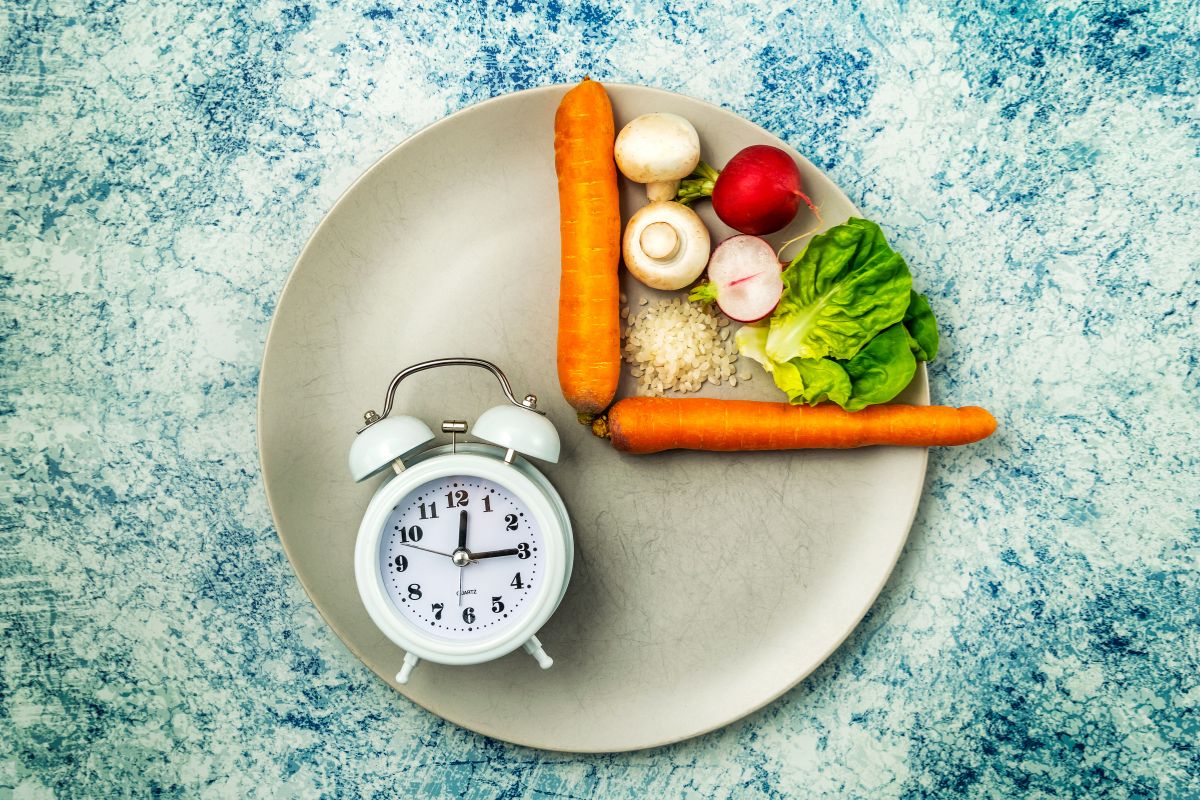
    Intermittent fasting is an eating pattern that cycles between periods of eating and fasting. Unlike traditional cancer diets that focus on what you eat, intermittent fasting focuses on when you eat.

    Common methods include:

    The 16:8 method — eating within an 8-hour window and fasting for 16 hours each day. The most widely practised approach.

    The 5:2 diet — eating normally for five days of the week and significantly reducing calorie intake on two non-consecutive days.

    Alternate-day fasting — alternating between regular eating days and fasting or very low calorie days.

    Each method affects the body differently. And for cancer patients specifically, each carries different implications — which is why blanket recommendations either for or against fasting during cancer treatment are problematic without knowing the individual’s situation in detail.

    The Myth: Intermittent Fasting Can Cure Cancer

    Let’s address this directly, because it is being stated in very confident terms across social media: intermittent fasting does not cure cancer.

    Cancer diet myths spread rapidly in patient communities because hope is powerful and the internet has no quality filter. Claims that fasting “shrinks tumours,” “starves cancer cells,” or eliminates the need for conventional treatment are not supported by current evidence in humans.

    What research has shown primarily in animal studies on fasting and cancer is more nuanced. In laboratory settings, fasting has been found to slow tumour growth in certain cancer types by depriving cancer cells of glucose, exploiting what is known as the Warburg effect cancer cells’ heavy reliance on glucose for energy. Short-term fasting has also been shown to increase autophagy, a cellular process where the body breaks down and recycles damaged cells. Autophagy and cancer have a complex relationship: in some contexts, increased autophagy may enhance the effectiveness of certain treatments.

    But animal studies on fasting and cancer do not translate automatically into human recommendations. Human trials on fasting and cancer are ongoing, results are mixed, and no major oncology body currently recommends fasting as a standard component of cancer care.

    The verdict from current evidence-based cancer diet research: intermittent fasting may make cancer cells more sensitive to chemotherapy in some circumstances, but it is an adjunct to conventional treatment not a replacement for it. Clinical studies on fasting and cancer are still too limited and too varied to draw firm conclusions for human patients.

    The Myth: Fasting During Cancer Treatment Helps You Heal Faster

    Another version of the fasting-and-cancer narrative frames it as a way to “detox” the body, strengthen immunity, and speed recovery during chemotherapy or radiation. This framing is not just unsupported it can be actively dangerous for some patients.

    Here’s the reality of nutrition during chemotherapy: cancer treatment significantly increases the body’s nutritional demands. The immune system is under pressure. Tissue repair is ongoing. Energy needs are elevated. Malnutrition during cancer treatment even mild, progressive malnutrition is associated with worse treatment tolerance, greater side effects, longer recovery times, and poorer overall outcomes.

    Fasting while receiving cancer treatment may increase the risk of muscle loss, extreme fatigue, weakness, and reduced treatment tolerance. For patients who are already experiencing weight loss which is common during cancer treatment further restricting intake through fasting can tip the body into a state of malnourishment that compromises both quality of life and treatment efficacy.

    Cancer recovery nutrition is built on adequacy, not restriction. Eating enough of the right things is the nutritional goal during active treatment.

    What the Science Actually Shows

    The science behind fasting and cancer is worth understanding clearly, because it is genuinely interesting just more limited in its human application than social media would suggest.

    Autophagy and fasting — short-term fasting and autophagy are linked. Autophagy in cancer treatment has been studied as a potential mechanism by which fasting might enhance chemotherapy sensitivity: by triggering cellular clean-up processes that may increase cancer cells’ vulnerability to treatment. This is the basis of the legitimate research interest in fasting as an adjunct therapy.

    Glucose deprivation and cancer cells — the Warburg effect means cancer cells preferentially use glucose for energy. Fasting reduces blood glucose, which in theory deprives cancer cells of their preferred fuel source. This is the mechanism behind the “starving cancer” idea and in cell cultures and animal models, it shows some effect. In whole human beings undergoing complex cancer treatment, the picture is considerably more complicated.

    Fasting and tumour growth — animal studies have shown that fasting can slow tumour growth in specific cancer types under controlled conditions. These are important findings that justify continued research. They do not justify recommending fasting to cancer patients outside of clinical trial settings.

    Inflammation and cancer — chronic inflammation plays a role in cancer development and progression. Evidence-based cancer diet research suggests that anti-inflammatory dietary patterns rich in vegetables, fruits, whole grains, and healthy fats may support immune system function and cancer metabolism in ways that are beneficial. This is where the nutrition evidence for cancer patients is actually strongest: not in fasting, but in the consistent quality of what is eaten.

    Potential Benefits Being Studied

    To be fair to the research, investigators are genuinely exploring whether intermittent fasting may offer specific benefits in cancer care:

    Improved insulin sensitivity which matters because insulin resistance and elevated insulin levels are associated with certain cancer types and worse prognosis.

    Reduced oxidative stress fasting has been shown to lower markers of oxidative damage in some studies, which is relevant to cancer metabolism.

    Enhanced chemotherapy response this is the most clinically interesting area. Some early human data suggests that short-term fasting around chemotherapy infusions may reduce side effects and improve tolerability in certain patients. This is being studied in clinical trials. It is not yet standard practice.

    The direction of the research is interesting. The current level of evidence does not support implementing fasting outside of supervised clinical settings.

    Risks of Fasting During Cancer Treatment

    The risks of fasting during cancer treatment are real and should not be minimised in the enthusiasm for a compelling hypothesis:

    Malnutrition — cancer patients often struggle to maintain adequate nutrition even without fasting. Any further restriction increases this risk.

    Muscle loss — the body under nutritional stress breaks down muscle for energy. Muscle loss during cancer treatment is associated with fatigue, weakness, falls, and poorer recovery.

    Fatigue and weakness — already common treatment side effects, both are worsened by inadequate nutrition.

    Reduced treatment tolerance — patients who are malnourished tolerate chemotherapy and radiation less well, often requiring dose reductions or treatment breaks that affect outcomes.

    Patients who are underweight, experiencing significant unintentional weight loss, receiving intensive treatment regimens, or who have any history of disordered eating should not attempt fasting without direct medical supervision.

    Who Should Avoid Intermittent Fasting?

    Intermittent fasting is not appropriate for everyone and during cancer treatment, the threshold for caution is higher than usual.

    Avoid fasting without direct medical guidance if you are underweight or have lost significant weight since diagnosis, are currently undergoing chemotherapy or radiation, are pregnant or breastfeeding, have a history of eating disorders, are experiencing nausea, vomiting, or appetite loss as treatment side effects, or have diabetes or other metabolic conditions affected by caloric restriction.

    What a Cancer Diet Should Actually Look Like

    While the evidence on intermittent fasting and cancer remains preliminary, the evidence on evidence-based nutrition for cancer patients is considerably clearer.

    A healthy diet for cancer patients during treatment is built around:

    Adequate protein — to maintain muscle mass, support tissue repair, and keep the immune system functioning. Sources include eggs, fish, chicken, lentils, paneer, and tofu.

    Nutrient-dense vegetables and fruits — providing antioxidants, vitamins, minerals, and anti-inflammatory compounds. These are the foods where the diet and cancer relationship has the most consistent evidence.

    Whole grains — providing sustained energy and supporting digestive health during treatment.

    Healthy fats — olive oil, nuts, seeds, and fatty fish support immune function and reduce inflammation.

    Adequate calories overall — this is the point that gets lost in fasting conversations. Cancer recovery nutrition prioritises enough food, not less food.

    Foods to eat during cancer treatment are those that maintain strength, support immunity, and reduce the side effects of treatment. Foods to avoid are those that are high in added sugar, heavily processed, or that increase inflammation not food in general.

    The sugar and cancer myth the idea that cutting all sugar from the diet will starve cancer deserves a brief mention here. Does sugar feed cancer? Cancer cells do preferentially use glucose. But so does every other cell in the body. Completely eliminating carbohydrates is neither necessary nor beneficial. Cancer nutrition during chemotherapy focuses on overall dietary quality, not elimination.

    When Should You See a Doctor ?

    Before making any significant dietary change during cancer treatment including starting intermittent fasting consult your oncologist and a registered oncology dietitian.

    An oncologist and nutritionist consultation will allow personalised cancer nutrition guidance that accounts for your specific cancer type, treatment protocol, nutritional status, and treatment goals. A personalised cancer diet plan is not the same as general healthy eating advice it is built around your individual situation.

    If you are interested in whether fasting might be appropriate in your specific case, ask your oncologist whether any relevant clinical trials are open. Fasting as an adjunct to chemotherapy is being studied formally, and participation in a supervised clinical trial is very different from self-implementing a fasting protocol at home.

    An online dietitian consultation for cancer patients or online oncologist consultation through HealthPil provides access to specialist guidance without requiring travel particularly valuable during treatment when energy is limited.

    How HealthPil Can Help

    HealthPil connects cancer patients with experienced oncologists and registered oncology dietitians who stay current with the latest research on cancer care nutrition, including the evolving evidence on intermittent fasting and cancer.

    Whether you want to understand the current research, get a personalised cancer diet plan, discuss nutrition during chemotherapy, or simply ask whether intermittent fasting is appropriate for your situation the right specialist is available on HealthPil, online, from wherever you are.

    Book your online oncologist or dietitian consultation with HealthPil today.

    Summary

    Intermittent fasting and cancer is a genuinely interesting area of research but the science is early, primarily from animal studies, and far from sufficient to recommend fasting as a standard cancer therapy. The myth that fasting can cure cancer or significantly accelerate healing during treatment is not supported by current evidence and carries real risks for patients who are already nutritionally vulnerable. Evidence-based cancer diet guidance focuses on adequate, high-quality nutrition that supports the immune system, maintains muscle mass, and helps the body tolerate treatment. If you are curious about fasting’s potential role in your specific situation, speak with your oncologist not a wellness influencer.

    FAQs:-

    Q1. Can intermittent fasting cure cancer?

    No. Intermittent fasting cannot cure cancer and should never replace chemotherapy, radiation, or surgery.

    Q2. Is fasting safe during chemotherapy?

    Not for everyone. Fasting should only be considered under the guidance of your oncologist, especially during active treatment.

    Q3. What is the Warburg effect?

    The Warburg effect describes how cancer cells use glucose differently from normal cells. However, this does not mean cutting out sugar or fasting will cure cancer.

    Q4. Does fasting trigger autophagy?

    Yes. Fasting can trigger autophagy, but its role in cancer is complex. It should not be used as a treatment without medical supervision.

    Q5. Who should avoid intermittent fasting during cancer treatment?

    People who are underweight, malnourished, receiving intensive treatment, or have diabetes should avoid fasting unless advised by their doctor.

    Q6. Should I talk to my doctor before trying intermittent fasting?

    Yes. Always consult your oncologist before making dietary changes. You can also book an online oncologist consultation through HealthPil for personalised advice.

    References

    1. Garegnani LI, et al. Intermittent Fasting for Adults with Overweight or Obesity. Available at:
      PubMed
    2. Sun ML, et al. Intermittent Fasting and Health Outcomes: An Umbrella Review of Systematic Reviews and Meta-Analyses of Randomized Controlled Trials. Available at:
      PubMed

    Disclaimer:

    The information provided here is for educational purposes only and should not be used as a substitute for professional medical advice, diagnosis, or treatment. Always consult your healthcare provider for medical advice tailored to your specific condition.

    Dr. Ayesha Ayub Shaikh
    Written By Dr. Ayesha Ayub Shaikh
    Dr. Rahul Chawla
    Reviewed By Dr. Rahul Chawla
    Last Updated 25 Jun 2026
    We provide you with authentic, trustworthy and relevant information.
    Read our editorial policy
    does intermittent fasting cure cancer fasting and cancer treatment intermittent fasting and cancer
    Share. Facebook Twitter WhatsApp Email
    Previous ArticleCancer Diets: Myths vs Evidence-Based Nutrition Tips
    Next Article Anti-Cancer Fruits: What Science Actually Says About Each One

    Related Articles

    Autophagy and Cancer: Science, Myths & What It Means for Treatment

    May 27, 2025 Cancer Prevention and Support

    Anti-Cancer Fruits: What Science Actually Says About Each One

    May 27, 2025 Cancer Prevention and Support

    Cancer Diets: Myths vs Evidence-Based Nutrition Tips

    May 27, 2025 Cancer Prevention and Support

    Does Biopsy Cause Cancer to Spread? Busting the Myth

    May 27, 2025 Cancer Prevention and Support
    Leave A Reply Cancel Reply

    one × three =

    I agree to the terms and privacy policy.

    Disclaimer: Please avoid sharing personal health details in comments. Comments are public and moderated. For private health queries, use the Ask A Doubt section. By commenting, you agree to our Privacy Policy.

    Health and Wellness

    Child Safety and Online Predators: Why parents should think twice before posting children’s photos and videos on social media!

    November 11, 2025

    Fake ORS Banned by FSSAI: Why a Pediatrician Fought an 8-Year Battle to Stop Sugary Drinks Mislabelled as “ORS”?

    October 24, 2025

    Are Herbal Supplements Hurting Your Kidneys? What You Need to Know

    September 18, 2025

    Is Your Herbal Medicine Bad for Your Heart?

    September 18, 2025
    Connect with Us
    • Facebook
    • Instagram
    • YouTube
    • Twitter
    Don't Miss

    Child Safety and Online Predators: Why parents should think twice before posting children’s photos and videos on social media!

    Every parent loves to capture those little moments — the first step, the first day…

    Fake ORS Banned by FSSAI: Why a Pediatrician Fought an 8-Year Battle to Stop Sugary Drinks Mislabelled as “ORS”?

    October 24, 2025

    Why Asthma Attacks are on the Rise: Unseen Influence of Air Pollution!

    May 26, 2025

    Stroke and Air Pollution: Is Your Environment Putting You at Risk?

    May 26, 2025

    Subscribe to Updates

    Get the latest creative news from SmartMag about art & design.

    Consent(Required)

    About Us
    About Us

    HealthPil: Get Your Daily Dose of Trusted Health Advice– Consult a Doctor Anytime, Anywhere!
    We're accepting new partnerships right now.

    Facebook X (Twitter) Instagram YouTube
    Contact Us
    EmailEmail Us:
    contact@healthpil.com
    whatsappContact:
    +91 962 596 0259
    Specialties
    • Neurology
    • Cardiology
    • Psychiatry
    • Orthopedics
    • Gynaecology
    • Pediatrics
    • Neurosurgery
    • Neurosurgery
    • Ophthalmology
    • ENT
    • Oncology
    Quick Links
    • Home
    • About
    • Blog
    • Ask Doubts
    • Consult Doctors
    • Contact Us
    • Disclaimer
    • Privacy Policy
    • Terms and Conditions

    Type above and press Enter to search. Press Esc to cancel.

    Book Appointment
    Copyright © 2026 HealthPil. All Rights Reserved.