

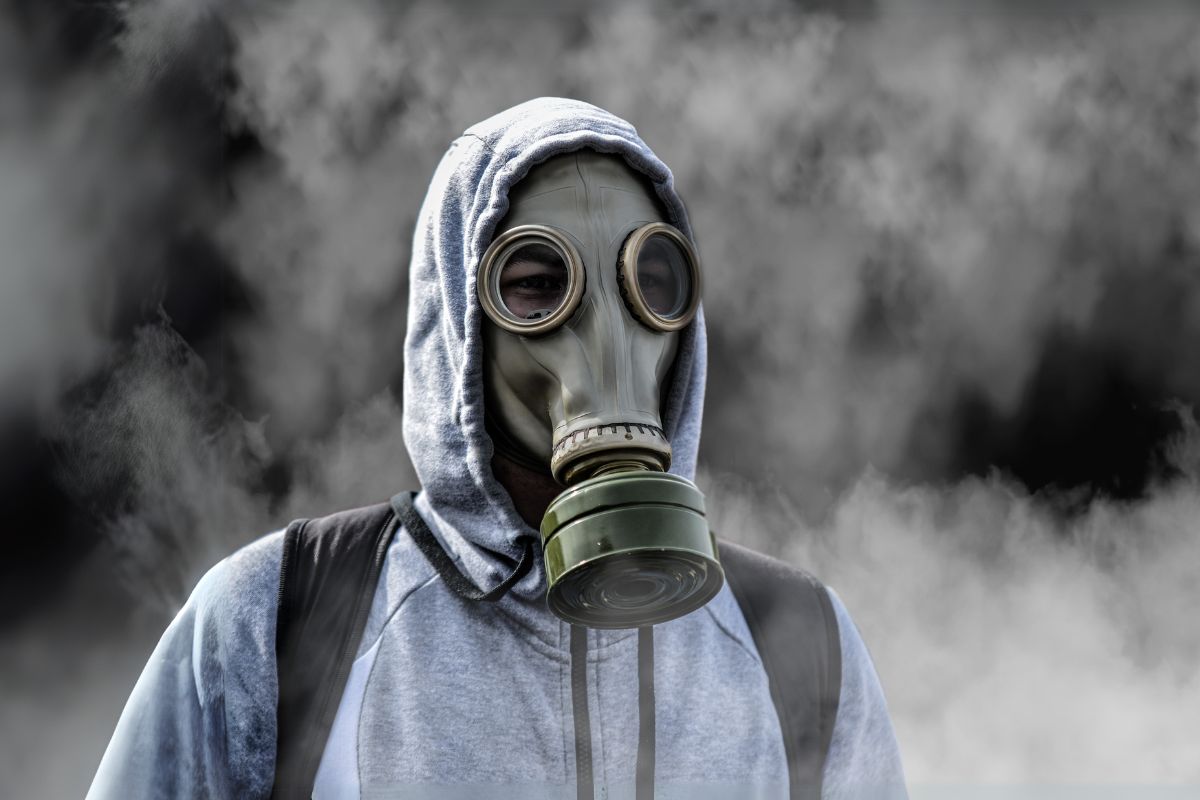
Air pollution’s damage doesn’t stop at your lungs or heart it reaches your skin too, often in ways that go unnoticed until the effects have already built up. Understanding exactly how polluted air affects your skin is really the first step toward building a skincare routine that actually protects against it, rather than just moisturising over a problem that keeps getting worse underneath.
How Pollution Affects the Skin
Airborne pollutants can break down the skin’s protective barrier, triggering inflammation, oxidative stress, and premature ageing. Research published in Dermatology Clinics confirms that pollution exposure genuinely worsens existing skin conditions and speeds up the ageing process (Draelos et al., 2023).
1. Acne and Inflammatory Conditions
Fine particulate matter doesn’t just sit on the skin’s surface it settles into pores, mixing with oil and dirt already there, and triggers inflammation from within. A 2022 study in the Journal of Investigative Dermatology found that people living in high-pollution urban areas experienced a 20% higher rate of acne compared to those in cleaner regions.
2. Premature Ageing
Pollutants generate free radicals that actively break down collagen and elastin the two proteins responsible for skin’s firmness and elasticity. A 2023 study in Plastic and Reconstructive Surgery found that people living in more polluted areas showed noticeably more visible signs of skin ageing than those in cleaner environments.
3. Skin Barrier Disruption
The skin barrier is the body’s frontline defence against environmental stress. Pollutants can break this barrier down directly, which raises skin sensitivity and increases transepidermal water loss essentially, the skin loses moisture faster than it should. A 2022 study in the British Journal of Dermatology emphasised just how essential a strong, intact skin barrier is for anyone living in a polluted environment.
Common Skin Problems Linked to Air Pollution
Pollution-related skin issues show up in a range of ways:
- Acne and frequent breakouts
- Premature ageing
- Hyperpigmentation and dark spots
- Eczema and psoriasis flare-ups
- Skin dryness and dehydration
- Redness and irritation
- Increased skin sensitivity
- Uneven skin tone
- Skin barrier damage
- A higher long-term risk of skin cancer with prolonged exposure
How Do Air Pollutants Actually Damage the Skin?
Pollutants settle on the skin’s surface and work their way in through pores and the skin barrier itself. Fine particles like PM2.5, along with ozone (O₃), nitrogen dioxide (NO₂), and volatile organic compounds (VOCs), generate free radicals unstable molecules that trigger oxidative stress and inflammation at a cellular level.
Over time, this process damages collagen and elastin, weakens the skin barrier, reduces the skin’s ability to retain moisture, and accelerates visible ageing. Pollution also ramps up melanin production as a kind of defensive response, which is exactly what leads to pigmentation and uneven skin tone and it makes existing skin conditions noticeably worse in the process.
There’s a longer-term concern too: prolonged exposure to certain pollutants, including polycyclic aromatic hydrocarbons (PAHs) found in vehicle and industrial smoke, has been linked to DNA damage in skin cells. Combined with UV radiation, this compounding damage is part of why chronic pollution exposure carries an elevated long-term skin cancer risk not from any single exposure, but from years of accumulated cellular stress.
Which Pollutants Affect Skin Health Most?
Several outdoor and indoor pollutants contribute to skin damage, including:
- Particulate Matter (PM2.5 and PM10)
- Nitrogen Dioxide (NO₂)
- Ground-level Ozone (O₃)
- Sulphur Dioxide (SO₂)
- Volatile Organic Compounds (VOCs)
- Polycyclic Aromatic Hydrocarbons (PAHs)
- Vehicle emissions
- Industrial smoke
- Cigarette smoke, including second-hand exposure
Each of these penetrates the skin barrier to some degree, triggers inflammation, raises oxidative stress, and contributes to premature ageing and a range of skin disorders over time.
Who’s Most at Risk?
Pollution’s effects on skin tend to hit some groups harder than others, and each for a different underlying reason:
- Children — their skin barrier is still developing and thinner than an adult’s, so pollutants penetrate more easily and cause proportionally more disruption.
- Older adults — natural collagen production slows with age, meaning skin has less capacity to repair the ongoing damage pollution causes, so the effects compound faster.
- People living in highly polluted cities — the sheer volume and frequency of exposure means less recovery time between damaging episodes.
- Anyone with acne, eczema, psoriasis, or rosacea — these conditions already involve a compromised or overactive skin barrier, so pollutants trigger flare-ups more easily than they would on undamaged skin.
- Outdoor workers — prolonged daily exposure, often without the option to limit time outside, means a cumulative dose far higher than someone mostly indoors.
- People with sensitive or naturally dry skin — a weaker starting barrier means pollutants penetrate faster and moisture loss happens more quickly.
- Smokers — cigarette smoke adds a second, concentrated source of the same free radicals pollution generates, effectively doubling the oxidative load on skin.
- Anyone with frequent UV exposure alongside pollution — UV and pollution damage the skin through overlapping pathways, so combined exposure compounds rather than simply adding up.
These groups often see faster visible ageing and more frequent flare-ups of existing skin conditions as a direct result.
Symptoms: When to Seek Treatment
Pollution can trigger both short-term irritation and longer-term skin problems. Watch for:
- Persistent acne or frequent breakouts
- Redness and irritation
- Dry, itchy, or flaky patches
- Increased skin sensitivity
- Dark spots or uneven tone
- Fine lines and premature wrinkles
- Worsening eczema, psoriasis, or rosacea
- New or worsening contact dermatitis
If these symptoms persist despite a solid skincare routine, it’s worth seeing a dermatologist for proper evaluation and a treatment plan tailored to what’s actually going on with your skin.
How to Protect Your Skin from Air Pollution
Beyond a good skincare routine, a few daily habits genuinely help — each one interrupts pollution’s damage at a different point:
- Wash your face as soon as you get home, rather than waiting until your usual routine the longer particles sit on skin, the more time they have to penetrate the barrier and trigger inflammation.
- Stay well hydrated throughout the day — well-hydrated skin maintains a stronger barrier, which makes it physically harder for pollutants to get through in the first place.
- Eat antioxidant-rich foods — plenty of fruits and vegetables since dietary antioxidants support the skin’s defence against oxidative stress from the inside, complementing whatever you apply topically.
- Avoid smoking and second-hand smoke exposure, since smoke adds a concentrated dose of the same free radicals outdoor pollution generates, compounding the damage.
- Check the Air Quality Index (AQI) before spending extended time outdoors, so you can time outdoor activity for lower-pollution windows where possible.
- Wear protective clothing and sunglasses on high-pollution days, physically reducing the surface area of exposed skin.
Skincare Strategies That Actually Make a Difference
1. Daily Cleansing
Use a gentle cleanser at the end of the day to remove pollutants that have settled on your skin. Look for formulas with added antioxidants, which help neutralise free radicals as part of the cleansing step itself.
2. Moisturisation
Keeping skin properly hydrated supports the barrier directly. Moisturisers with ceramides and hyaluronic acid are particularly effective at helping the skin retain the moisture pollution tends to strip away.
3. Daily Sun Protection
Sunscreen isn’t just about UV rays it also helps limit the compounding damage that happens when UV exposure and pollution act on the skin together, which is worse than either one alone. For added benefit, look for a sunscreen formulated with antioxidants built in.
4. Exfoliate a Few Times a Week
A glycolic acid exfoliant, used two to three times weekly, helps clear out pollution-clogged pores more thoroughly than cleansing alone. Skin can gradually build tolerance, allowing more frequent use over time — but it’s worth easing in slowly rather than starting daily.
5. Antioxidant-Rich Products
Incorporating skincare with vitamin C and vitamin E helps directly counter the oxidative stress pollutants generate at a cellular level, rather than just addressing the visible symptoms afterward.
Best Skincare Ingredients for Pollution Protection
A few ingredients consistently stand out for pollution-related skin protection:
- Vitamin C — a potent antioxidant that also helps brighten pigmentation
- Vitamin E — works alongside vitamin C to neutralise free radicals
- Niacinamide — strengthens the skin barrier and calms inflammation
- Ceramides — restore and reinforce the skin’s natural barrier
- Hyaluronic Acid — draws in and holds onto moisture
- Retinol (Vitamin A) — supports collagen production and cell turnover
- Green Tea Extract — offers additional antioxidant protection
- Squalane — locks in hydration without clogging pores
- Plant Oils — Indian sandalwood, carrot seed, sesame, and jojoba oils show early promise for pollution protection, though research here is still developing
- Probiotic-Fermented Plant Extracts — fermented coconut, chilli, or pumpkin extracts offer anti-inflammatory and antioxidant benefits worth watching as this category grows
Together, these ingredients help rebuild barrier strength, calm oxidative stress, improve hydration, and offer a genuine layer of defence against ongoing environmental damage.
Professional Treatments for Pollution-Affected Skin
For skin that’s already showing noticeable damage, a dermatologist can offer treatments that go beyond what a home routine can achieve:
- Hydrafacials, which deep-clean pores while restoring hydration in the same session
- Chemical peels, which help remove built-up surface damage and encourage skin renewal
- Targeted antioxidant treatments, administered professionally for a stronger effect than topical products alone
- A customised skincare plan, built around your specific skin type and the specific pollution exposure you’re dealing with
These aren’t necessary for everyone, but they’re worth discussing with a dermatologist if home care alone isn’t keeping up with visible damage.
Long-Term Effects of Air Pollution on Skin
Sustained exposure to polluted air may raise the risk of:
- Premature skin ageing
- Persistent pigmentation
- Reduced skin elasticity
- Chronic skin inflammation
- Recurring acne
- Worsening eczema and psoriasis
- An elevated long-term risk of skin cancer from cumulative environmental damage
When Should You Book an Online Consultation?
Book an online consultation with a dermatologist if you experience:
- Persistent acne or frequent breakouts that don’t improve
- Ongoing redness, itching, or skin irritation
- Dry, flaky, or sensitive skin lasting for several weeks
- New or worsening pigmentation, dark spots, or uneven skin tone
- Worsening eczema, psoriasis, or rosacea
- Premature wrinkles or signs of early skin ageing
- Any skin problem that continues despite following a proper skincare routine
HealthPil allows you to consult experienced dermatologists online for expert diagnosis, personalised treatment, and skincare advice from the comfort of your home.
How HealthPil Can Help
If pollution is taking a visible toll on your skin, HealthPil connects you with experienced dermatologists for online consultations helping you get a proper diagnosis, a personalised skincare plan, and guidance on professional treatments where they’d genuinely help, all from home.
Summary
Air pollution can damage the skin by weakening the skin barrier, increasing oxidative stress, and accelerating premature ageing. It may lead to acne, pigmentation, eczema flare-ups, dryness, and long-term skin damage. Following a proper skincare routine, protecting your skin from pollution, and consulting a dermatologist when symptoms persist can help maintain healthy skin.
FAQ
1. Can air pollution cause acne?
Yes. Air pollutants like PM2.5 can clog pores, increase inflammation, and trigger acne breakouts, especially in people with oily or acne-prone skin.
2. Can air pollution make my skin age faster?
Yes. Long-term exposure to pollutants damages collagen and elastin, leading to wrinkles, fine lines, pigmentation, and loss of skin elasticity.
3. How can I protect my skin from air pollution?
Cleanse your face daily, use a moisturiser, apply sunscreen, include antioxidant-rich skincare products, and avoid prolonged exposure to polluted air whenever possible.
4. When should I book an online consultation?
Book an online consultation if you have persistent acne, skin irritation, eczema flare-ups, pigmentation, redness, or other skin problems that do not improve with regular skincare. HealthPil allows you to consult experienced dermatologists online for expert diagnosis and personalised treatment.
5. Who is most at risk of pollution-related skin damage?
Children, older adults, outdoor workers, people living in highly polluted areas, and individuals with acne, eczema, psoriasis, rosacea, or sensitive skin are at a higher risk of pollution-related skin problems.
Disclaimer:
This article is for informational purposes only and should not be considered medical advice. Always consult a healthcare professional for a proper diagnosis and personalised treatment plan.

Read our editorial policy