

Do you feel tired all the time? Have you gained weight without changing your diet? Or maybe lost weight fast, for no clear reason? These could be signs of a thyroid problem.
Your thyroid is tiny. But it has a big job. It controls your energy, your metabolism, and even your mood. Thyroid disorders affect millions of people around the world. Many don’t even know they have one.
This guide explains hypothyroidism and hyperthyroidism. We’ll cover the causes, symptoms, and how to treat them. We’ll keep it simple and easy to follow.
What Is the Thyroid Gland?
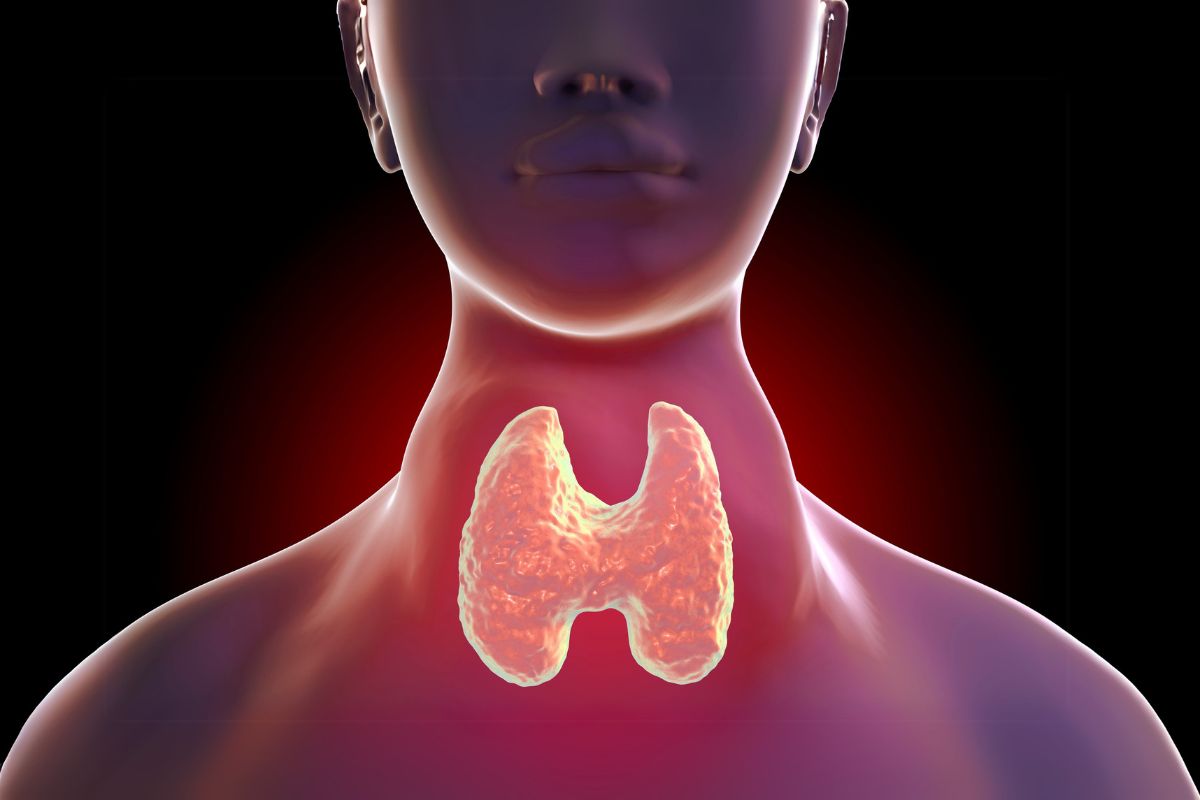
Your thyroid sits low in your neck, right below your Adam’s apple. It’s shaped like a butterfly. Small, but mighty.
The thyroid makes two main hormones. They’re called T4 and T3. These hormones control:
- Metabolism — how your body turns food into energy
- Body temperature. How your body stays warm or cool
- Heart rate: how fast or slow your heart beats
- Mood and thinking — your mental clarity and emotional balance
If your thyroid makes too much or too little of these hormones, it can affect your whole body. And your quality of life too.
How Common Are Thyroid Problems?
Thyroid disease is more common than most people think. Around the world, about 200 million people live with some form of it. Hypothyroidism affects about 1 to 2 out of every 100 people. Hyperthyroidism is a bit less common.
In India alone, over 42 million people have a thyroid disorder. That makes it the most common hormone-related disease in the country. And here’s something worth knowing: thyroid problems hit women much harder than men. Studies show nearly double the rate in women compared to men.
Hypothyroidism: An Underactive Thyroid
Hypothyroidism happens when your thyroid doesn’t make enough hormones. This slows down many things in your body. It’s more common in women, especially those over 60.
Causes of Hypothyroidism
- Hashimoto’s Thyroiditis This is the most common cause. It’s an autoimmune disease. That means your immune system mistakenly attacks your own thyroid tissue.
- Iodine Deficiency In some parts of the world, people don’t get enough iodine in their diet. This can lead to an underactive thyroid.
- Thyroid Surgery If part or all of your thyroid gets removed, due to cancer or another condition, hypothyroidism can follow.
- Radiation Treatment Radiation therapy for head or neck tumors can damage the thyroid gland. This can lead to hypothyroidism too.
- Medications Some drugs, especially ones used to treat an overactive thyroid, can cause hypothyroidism as a side effect.
- Thyroiditis This means the thyroid gland is inflamed. It can lead to temporary or permanent hypothyroidism, depending on the cause.
- Postpartum Thyroiditis Some women develop thyroid swelling after giving birth. This can cause a temporary underactive thyroid. Doctors aren’t fully sure why this happens, but hormone shifts after pregnancy seem to play a role.
- Congenital Hypothyroidism Some babies are born with a thyroid that doesn’t work quite right. If it isn’t caught early, it can affect a child’s growth and development. This is why many countries now test newborns for thyroid function right after birth.
Symptoms of Hypothyroidism
- Fatigue. Feeling tired or worn out, even after resting
- Weight gain: extra pounds, even without eating more
- Cold sensitivity — feeling cold all the time, even in a warm room
- Dry skin and hair. Your skin gets dry, your hair gets brittle and may fall out
- Depression and memory problems: trouble focusing, low mood, or forgetfulness
- Constipation — your digestion slows down along with everything else Hair loss or big changes in your skin
- Muscle weakness. Feeling weak or achy in your muscles and joints
- Puffiness: swelling around your face, hands, or feet
- Slow heart rate — your heart beats slower than usual
- Voice changes. Your voice may sound hoarse or deeper than normal
- Heavy periods: women may notice heavier or more irregular periods
Hyperthyroidism: An Overactive Thyroid
Hyperthyroidism happens when your thyroid makes too much hormone. This speeds up your body’s processes. It’s less common than hypothyroidism. But if it’s not treated, it can cause serious problems.
Causes of Hyperthyroidism
- Graves’ Disease This is the most common cause. It’s an autoimmune disease. Your immune system tells your thyroid to make too much hormone.
- Thyroid Nodules These are lumps that grow in your thyroid. Some of them can produce extra hormones on their own, leading to hyperthyroidism.
- Thyroiditis Inflammation of the thyroid can sometimes release extra hormones all at once. This is sometimes triggered by a viral infection.
- Excess Iodine Taking in too much iodine, whether from food, supplements, or certain medicines, can trigger hyperthyroidism.
Symptoms of Hyperthyroidism
- Weight loss — losing weight without trying, even if you’re eating more than usual
- Rapid heart rate. A fast or irregular heartbeat
- Nervousness and anxiety: feeling on edge, irritable, or having sudden mood swings
- Increased sweating — feeling hot and sweating more than normal
- Tremors. Small, shaky movements in your hands
- Sleep disturbances: trouble falling or staying asleep
- Muscle weakness — your muscles may feel weak, especially in your arms and legs
- Thinning hair and skin. Hair and skin may become finer or more fragile
- Bulging eyes: some people with Graves’ disease notice their eyes look wider or more prominent
Thyroid Nodules and Other Thyroid Problems
Not every thyroid issue is about hormone levels. Thyroid nodules are lumps that form inside the gland. Most are harmless. But a few can make extra hormones, or need a closer look.
A large thyroid nodule can sometimes cause:
- Pain or discomfort in the neck
- Trouble swallowing
- Trouble breathing
- A noticeable lump you can see or feel in your neck
Doctors often use an ultrasound to check a nodule. In some cases, they’ll do a fine-needle aspiration biopsy too. This means taking a tiny sample of cells to look at under a microscope.
Goiter This is simply the medical word for a swollen or enlarged thyroid gland. It often happens because of iodine deficiency, though other thyroid problems can cause it too.
Thyroid Cancer Some thyroid nodules turn out to be cancerous. Depending on the type and stage, treatment may involve surgery, and sometimes other therapies too.
Complications of Thyroid Disorders
If a thyroid problem goes untreated, it can affect other parts of your body over time.
Complications of Hypothyroidism
- High cholesterol — untreated hypothyroidism can raise your cholesterol levels
- Heart problems. Low thyroid hormone can affect your heart’s function
- Infertility: thyroid imbalance can make it harder to get pregnant
- Pregnancy complications — untreated hypothyroidism during pregnancy raises risks for both mother and baby
- Nerve damage. Some people develop tingling or numbness, known as peripheral neuropathy
Complications of Hyperthyroidism
- Heart problems: extra thyroid hormone can cause a fast or irregular heartbeat
- Bone loss — long-term untreated hyperthyroidism can weaken your bones over time
- Thyroid eye disease. People with Graves’ disease may develop eye pain, bulging eyes, or vision changes
- Thyroid storm: in rare, severe cases, hyperthyroidism can trigger a sudden, life-threatening flare-up that needs emergency care right away
How Are Thyroid Disorders Diagnosed?
Doctors use blood tests, imaging, and a physical exam to figure out what’s going on with your thyroid.
- Blood Tests
- TSH Test — this is the main test doctors start with. A high TSH usually points to hypothyroidism. A low TSH usually points to hyperthyroidism.
- T4 and T3 Levels. These tests measure your actual hormone levels. Low levels suggest hypothyroidism. High levels suggest hyperthyroidism.
- Antibody Tests: these help confirm autoimmune conditions, like Hashimoto’s or Graves’ disease.
- Imaging Tests
- Ultrasound — this can spot nodules, swelling, or changes in the shape of your thyroid.
- Radioactive Iodine Uptake Test. This measures how much iodine your thyroid absorbs. It helps pinpoint the cause of hyperthyroidism.
- Other Tests
- Fine-Needle Aspiration (FNA): used if a nodule looks concerning, to check the cells up close.
The exact tests you need depend on your symptoms. Your doctor will guide you based on what they suspect.
Treatment for Thyroid Disorders
Treating Hypothyroidism
- Thyroid Hormone Replacement This is the main treatment. Most people take a medicine called levothyroxine, often known by the brand name Synthroid. It replaces the hormone your thyroid isn’t making enough of.
- Dietary Adjustments If low iodine is the cause, eating more iodine-rich foods can help. Think seafood, dairy, and iodized salt.
- Regular Monitoring You’ll need blood tests every so often. This helps your doctor adjust your medicine dose to keep your TSH level in a healthy range.
Treating Hyperthyroidism
- Antithyroid Medications Drugs like methimazole can stop your thyroid from making too much hormone. This eases your symptoms over time.
- Radioactive Iodine Therapy Your thyroid absorbs this treatment, which then destroys the overactive tissue. It’s a common, effective option.
- Beta-Blockers Medicines like propranolol can’t fix the thyroid itself. But they help manage symptoms like tremors and a racing heart while other treatments take effect.
- Surgery In some cases, part or all of the thyroid gets surgically removed. This might happen for large nodules, thyroid cancer, or when other treatments haven’t worked. If your whole thyroid is removed, you’ll need to take hormone replacement medicine for life.
Can You Prevent Thyroid Disease?
Since most thyroid disease comes from autoimmune causes or genetics, full prevention isn’t always possible. But a few habits can lower your risk, or help you catch problems early:
- Avoid smoking — smoking can hurt your thyroid function and raise your risk of disorders
- Get regular thyroid screening. Especially if thyroid problems run in your family
- Watch your soy intake: soy contains compounds that may interfere with hormone production
- Limit processed foods — these often have unhealthy fats and additives that can disrupt hormones
- Manage stress. Chronic stress raises cortisol, which can interfere with thyroid function
- Get enough iodine: iodized salt is an easy, reliable source
When Should You See a Doctor for Thyroid Symptoms?
You should talk to a doctor if you have symptoms that don’t go away, or that seem connected to your thyroid.
Consider seeing a doctor if you notice:
- Unexplained weight gain or weight loss
- Ongoing fatigue or weakness
- Feeling unusually cold or hot
- A fast or irregular heartbeat
- Ongoing anxiety, nervousness, or mood changes
- Hair loss or big changes in your skin
- Ongoing constipation or diarrhea
- A lump or swelling in the lower front of your neck
- Trouble swallowing or breathing
A doctor will look at your symptoms and health history. They may order thyroid function tests, blood work, or an ultrasound if needed.
If you’re dealing with thyroid symptoms that won’t go away, you can book an online consultation with a qualified specialist through HealthPil. Getting personalized guidance early can make a real difference.
How HealthPil Can Help
For expert consultations and personalized care, visit HealthPil to connect with specialists who can help you manage thyroid disorders effectively, from diagnosis all the way through treatment.
Summary
Thyroid disorders can significantly affect metabolism, energy, mood, heart rate, and overall health. Hypothyroidism occurs when the thyroid produces too little hormone and may cause fatigue, weight gain, cold sensitivity, dry skin, constipation, and a slow heart rate. Hyperthyroidism, on the other hand, occurs when the thyroid produces too much hormone and may cause unexplained weight loss, rapid heartbeat, anxiety, sweating, tremors, and sleep problems.
Thyroid problems can result from conditions such as Hashimoto’s thyroiditis, Graves’ disease, iodine imbalance, thyroiditis, thyroid nodules, certain medications, surgery, or radiation treatment. Diagnosis may involve TSH, T3 and T4 blood tests, antibody tests, ultrasound, radioactive iodine uptake testing, or fine-needle aspiration when needed.
FAQ Section:
1. What are the common symptoms of thyroid disorders?
Symptoms vary depending on the condition. Hypothyroidism may cause fatigue, weight gain, cold sensitivity, dry skin, constipation, and slow heart rate, while hyperthyroidism may cause weight loss, rapid heartbeat, sweating, anxiety, tremors, and sleep disturbances.
2. What is the difference between hypothyroidism and hyperthyroidism?
Hypothyroidism occurs when the thyroid does not produce enough hormones, slowing many body functions. Hyperthyroidism occurs when the thyroid produces too much hormone, speeding up many body processes.
3. Which tests are used to diagnose thyroid disorders?
Doctors may use TSH, T3 and T4 blood tests, thyroid antibody tests, ultrasound, radioactive iodine uptake testing, and fine-needle aspiration depending on the symptoms and suspected condition.
4. Can thyroid disorders be treated?
Yes. Treatment depends on the type and cause. Hypothyroidism is generally treated with thyroid hormone replacement such as levothyroxine, while hyperthyroidism may be managed with antithyroid medications, radioactive iodine therapy, beta-blockers, or surgery.
5. When should I see a doctor for thyroid symptoms?
You should speak with a doctor if you have persistent unexplained weight changes, fatigue, unusual sensitivity to heat or cold, a fast or irregular heartbeat, ongoing mood changes, hair or skin changes, digestive problems, or a lump/swelling in the neck.
References
- Institute of Medicine (US) Committee on Medicare Coverage of Routine Thyroid Screening; Stone MB, Wallace RB, editors. Pathophysiology and Diagnosis of Thyroid Disease. National Academies Press. Available at:
NCBI Bookshelf - Gessl A, Lemmens-Gruber R, Kautzky-Willer A. Thyroid Disorders. Available at:
PubMed

Read our editorial policy