

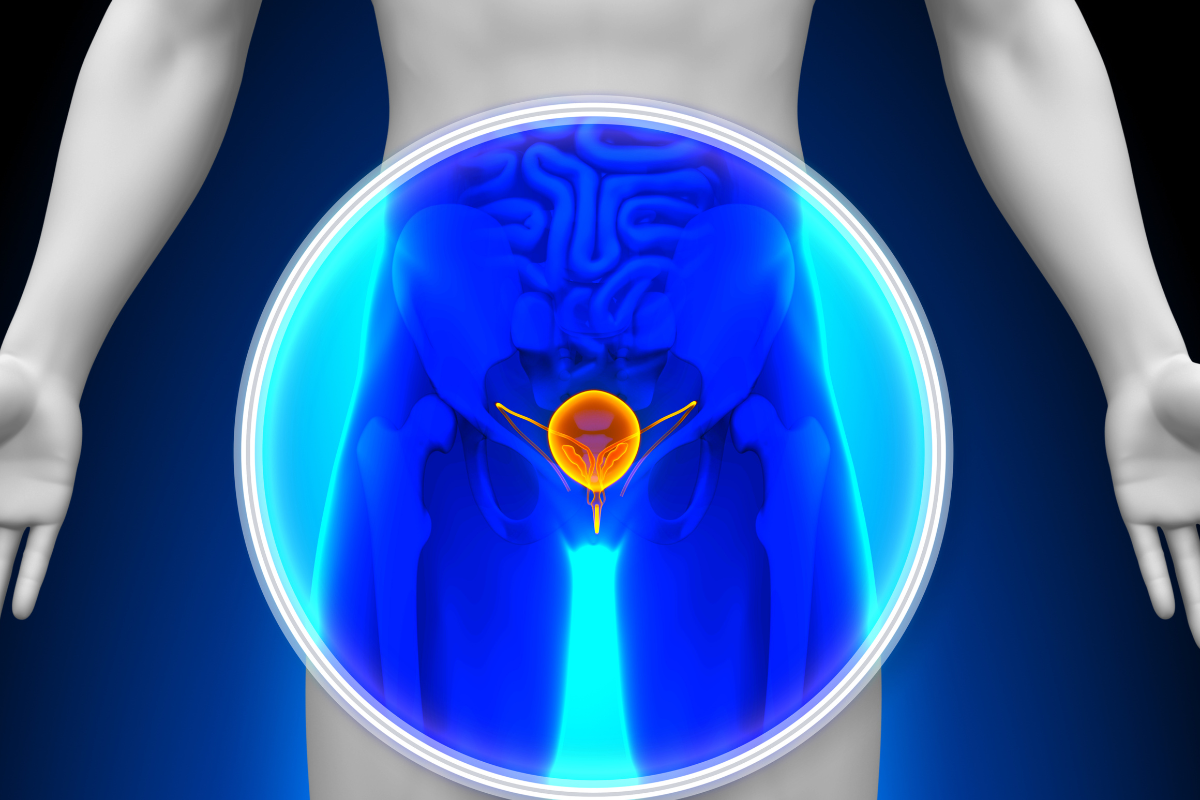
You notice blood in your urine one morning. Just once. And then it’s gone, and you almost convince yourself you imagined it. Here’s the honest advice: don’t brush that off. It might be nothing serious. But it’s also the single most common early warning sign of bladder cancer one of the most frequently diagnosed cancers of the urinary system. The reassuring part is this: caught early, it responds really well to treatment. This guide breaks down what actually causes it, what to watch for, and what treatment genuinely looks like.
What Is Bladder Cancer, Really?
Bladder cancer happens when abnormal cells inside your bladder start dividing and growing without any real control.
- Most cases start in the transitional cells the cells lining the inside of the bladder.
- A handful of things raise your odds of this happening: chronic bladder infections, smoking (a big one), and long-term exposure to certain industrial chemicals.
- Like most cancers, it’s rarely caused by just one thing it’s usually a build-up of risk over years.
The Different Types You Should Know About
Not all bladder cancer looks the same under a microscope, and the type genuinely shapes how it’s treated.
- Urothelial carcinoma (also called transitional cell carcinoma): By far the most common type. It starts in the urothelial cells lining the bladder, and makes up the vast majority of diagnoses.
- Squamous cell carcinoma: Rarer. It develops in thin, flat cells that sometimes form in the bladder lining, often after years of chronic irritation or infection.
- Adenocarcinoma: Rarer still. It starts in mucus-producing cells inside the bladder.
- Small cell carcinoma: Genuinely uncommon, but worth knowing about because it behaves very differently. It starts in nerve-like cells and tends to grow and spread fast, which usually means treatment needs to move quickly too.
Doctors also classify bladder cancer by how deep it’s grown into the bladder wall:
- Non-muscle-invasive bladder cancer: Stays confined to the inner lining. Generally the more treatable scenario, and where most bladder cancer is actually caught.
- Muscle-invasive bladder cancer: Has pushed into the deeper muscle layer of the bladder wall. More serious, and frankly, harder to treat.
What Actually Causes It?
Doctors can’t always pin down exactly why one specific person develops bladder cancer. But decades of research have identified some clear risk factors.
- Smoking: Tops the list, and it’s not a small effect. Harmful chemicals from tobacco enter your bloodstream, get filtered by your kidneys, and end up sitting in your urine, right against your bladder lining, for hours at a time. Do that for years, and the damage adds up. It’s genuinely one of the biggest, most preventable risk factors here.
- Chemical exposure: Matters too, particularly for people who’ve worked for years in industries like dye manufacturing, rubber, or textiles. If that’s your line of work, it’s worth having an honest conversation with your doctor about your personal risk.
- Chronic urinary tract infections: Repeated or long-running bladder conditions seem to raise risk as well, likely because constant irritation and inflammation slowly damages the bladder lining over time.
- Family history: If bladder cancer runs in your family, your own risk climbs somewhat, and certain inherited genetic changes can contribute directly.
- Previous cancer treatment: Some people develop bladder cancer as an unfortunate consequence of earlier treatment. Certain chemotherapy drugs, or radiation to the pelvic area, can raise the risk of a second, unrelated cancer showing up later.
- Long-term urinary catheter use: Linked to higher risk too, likely tied to chronic irritation and a higher baseline infection rate over time.
The Symptoms What to Actually Watch For
- Blood in the urine (hematuria): The single most common symptom, by a wide margin. It might turn your urine bright red, pink, or just a bit darker than usual. Sometimes, though, there’s no visible change at all, and the blood only shows up on a lab test.
- Frequent urination: Needing to go more often than usual, without any obvious reason like extra fluids.
- Urinary urgency: A sudden, hard-to-control need to urinate, sometimes with very little warning.
- Painful or burning urination: Discomfort while passing urine that doesn’t go away.
- Difficulty urinating: Trouble starting your stream, or a sense that your bladder never fully empties.
- Lower abdominal, pelvic, or lower back pain: Persistent discomfort in these areas, especially without a clear cause like a strain or injury.
- Urinary incontinence: Accidental leaking of urine, which can be easy to dismiss as “just getting older” but is worth mentioning to a doctor.
Here’s the tricky part plenty of people feel completely fine in the early stages. No pain, no obvious signs, nothing. Which is exactly why blood in the urine, even a single episode, deserves a doctor’s visit rather than a shrug.
How Doctors Figure Out What’s Going On
If bladder cancer is suspected, your doctor won’t just guess they’ll run through a series of tests designed to actually confirm what’s happening.
- Urine tests: Usually the starting point. These check for blood, unusual cells, or anything else worth investigating further.
- Cystoscopy: Lets a urologist look directly inside your bladder using a thin tube with a small camera attached. If they spot something that looks off, they’ll often take a sample right there.
- Bladder biopsy: A small tissue sample, sent to a lab for a closer look under a microscope. This is genuinely the most reliable way to confirm whether cancer cells are present.
- Imaging tests (CT scan, ultrasound, or MRI): Help map out the bladder and the tissue around it, and check whether anything’s spread beyond where it started.
- Urine cytology and tumor marker tests: Additional urine-based tests that can pick up abnormal cells, adding more detail when cancer is suspected but not yet fully confirmed.
Understanding the Stages
Once cancer is confirmed, staging comes next — essentially, how deep has it grown, and has it spread anywhere else? This isn’t just a label; it genuinely determines the entire treatment approach that follows.
- Stage 0: Cancer cells are sitting only in the inner lining of the bladder. Nothing deeper yet.
- Stage 1: The cancer has grown into the connective tissue just beneath that lining, but hasn’t touched the bladder muscle.
- Stage 2: The cancer has reached the muscle layer of the bladder wall.
- Stage 3: The cancer has pushed past the bladder into nearby tissue, possibly involving nearby lymph nodes or reproductive organs.
- Stage 4: The most advanced stage. The cancer has reached distant lymph nodes or organs, sometimes the lungs, liver, or bones.
Treatment: What Actually Happens Next
Treatment depends heavily on the type, the stage, and your overall health — there’s no one-size-fits-all approach here.
- TURBT (Transurethral Resection of Bladder Tumor): Often the first move for early-stage cancer. A thin instrument goes in through the urethra and removes the tumor directly, no external incisions required. It also helps confirm exactly how deep the cancer has gone.
- Intravesical therapy: Often used after TURBT for non-muscle-invasive cases. Medicine, including chemotherapy drugs or immunotherapy, is placed directly into the bladder through a catheter, letting treatment work right where the cancer is, with fewer effects on the rest of the body.
- Chemotherapy: Can be given directly into the bladder for early-stage disease, or through the bloodstream (systemic chemotherapy) for cancer that’s spread further, often paired with surgery.
- Immunotherapy: Essentially trains your own immune system to recognize and attack cancer cells. BCG therapy, placed directly in the bladder, has been used for decades for non-muscle-invasive cases. Newer immunotherapy drugs have expanded what’s possible for more advanced disease too.
- Radiation therapy: Uses focused, high-energy beams to destroy cancer cells, sometimes combined with chemotherapy, particularly for people who aren’t good surgical candidates or who are hoping to preserve their bladder.
- Cystectomy (bladder removal): Often necessary for muscle-invasive bladder cancer. A partial cystectomy removes just the affected portion; a radical cystectomy removes the whole bladder, and sometimes nearby organs too. After a radical cystectomy, surgeons create a new way for urine to leave the body, often using a piece of intestine to build either an internal reservoir or an external pouch.
Your care team will map out which combination genuinely fits your specific diagnosis this isn’t something to figure out from an article, but it helps to know the landscape going in.
Complications If It’s Left Untreated
- Spread to nearby tissue and organs: Bladder cancer that goes undiagnosed, or isn’t treated properly, doesn’t stay put. It can spread into nearby tissue, lymph nodes, and eventually distant organs, including the lungs, liver, or bones in more advanced cases.
- Kidney damage: The cancer can interfere with normal urine flow, which over time can strain the kidneys.
- Anaemia: Because bladder cancer often causes ongoing, low-level bleeding, some people develop anaemia simply from the slow, steady blood loss.
- Treatment side effects: Surgery, chemotherapy, and radiation therapy can all affect urinary function and day-to-day quality of life, which is exactly why consistent follow-up care matters just as much as the initial treatment plan.
Can You Actually Prevent It?
There’s no guaranteed way to avoid bladder cancer entirely, but a handful of habits genuinely move the needle:
- Quit smoking: Without question, the single biggest thing you can do. It’s consistently the largest modifiable risk factor for this disease.
- Limit chemical exposure: If your job involves industrial chemicals linked to bladder cancer, take workplace safety seriously and actually use the protective equipment provided.
- Drink enough water: Staying hydrated helps flush your bladder regularly, which may reduce how long harmful substances sit against the bladder lining.
- Maintain a balanced diet: Supports your body’s overall ability to repair and defend itself against damage.
- Know your personal risk: If you have a family history, or work in a higher-risk field, it’s worth having an honest conversation with your doctor about how closely you should be monitored.
None of this guarantees anything. But it stacks the odds meaningfully in your favor.
When Should You See a Doctor?
You should consult a healthcare professional if you notice blood in your urine or experience persistent or unusual changes in urination. Symptoms such as frequent urination, urinary urgency, painful or burning urination, difficulty emptying the bladder, or unexplained lower abdominal, pelvic, or back pain should also be evaluated.
Blood in the urine (hematuria) should never be ignored, even if it happens only once or disappears on its own. It is the most common early warning sign of bladder cancer and can sometimes occur without pain or other noticeable symptoms.
Early medical evaluation is important because bladder cancer is generally easier to treat when it is detected at an earlier stage. A doctor may recommend urine tests, cystoscopy, imaging tests, or a bladder biopsy depending on your symptoms and risk factors.
How HealthPil Can Help
Through HealthPil, you can connect with experienced urologists and oncologists who genuinely know how to diagnose and treat bladder cancer. Whether you need an initial evaluation or ongoing treatment support, our specialists are here to guide you through it, step by step. Book an online consultation whenever you’re ready.
Summary
Bladder cancer develops when abnormal cells in the bladder lining grow out of control, most often as urothelial carcinoma. Smoking, chemical exposure, chronic bladder infections, and family history are the biggest risk factors. The most common early sign is blood in the urine, sometimes with no pain at all, which is why it should never be ignored even if it happens just once.
Diagnosis involves urine tests, cystoscopy, biopsy, and imaging, and the cancer is staged from 0 to 4 based on how deep it has grown and whether it has spread. Treatment ranges from TURBT and intravesical therapy for early-stage cancer to chemotherapy, immunotherapy, radiation, or bladder removal surgery for more advanced cases. Caught early, bladder cancer responds well to treatment, so persistent urinary symptoms or blood in the urine are always worth getting checked promptly.
FAQs
How quickly does it actually grow?
It really depends on the type. Non-muscle-invasive cancer tends to grow slowly. Muscle-invasive and small cell types can move fast, which is exactly why prompt diagnosis matters more with those.
Who's actually at higher risk?
Smokers, people with long-term chemical exposure at work, anyone with a history of chronic bladder infections, and those with a family history all face elevated risk. It’s also more common in older adults, and slightly more common in men than women.
Does it come back after treatment?
It can, particularly the non-muscle-invasive type. That’s exactly why regular follow-up cystoscopies aren’t optional extras, they’re a core part of long-term care after treatment.
Is bladder cancer curable?
Many cases, especially non-muscle-invasive ones caught early, respond very well to treatment. Outcomes really do hinge on the type, stage, and how quickly treatment starts, which is exactly why early diagnosis matters so much here.
Does blood in my urine automatically mean cancer?
No, not at all infections and kidney stones cause it far more often. But since it’s the earliest and most common sign of bladder cancer, it’s never something to just wait out. Get it checked.
References
- Dobruch J, Oszczudłowski M. Bladder Cancer: Current Challenges and Future Directions. Available at:
PubMed - Dyrskjøt L, Hansel DE, Efstathiou JA, Knowles MA, Galsky MD, Teoh J, Theodorescu D. Bladder cancer. Available at:
PubMed
Disclaimer:
This information is for educational purposes and should not replace professional medical advice. Always consult your healthcare provider for personalised recommendations.

Read our editorial policy