

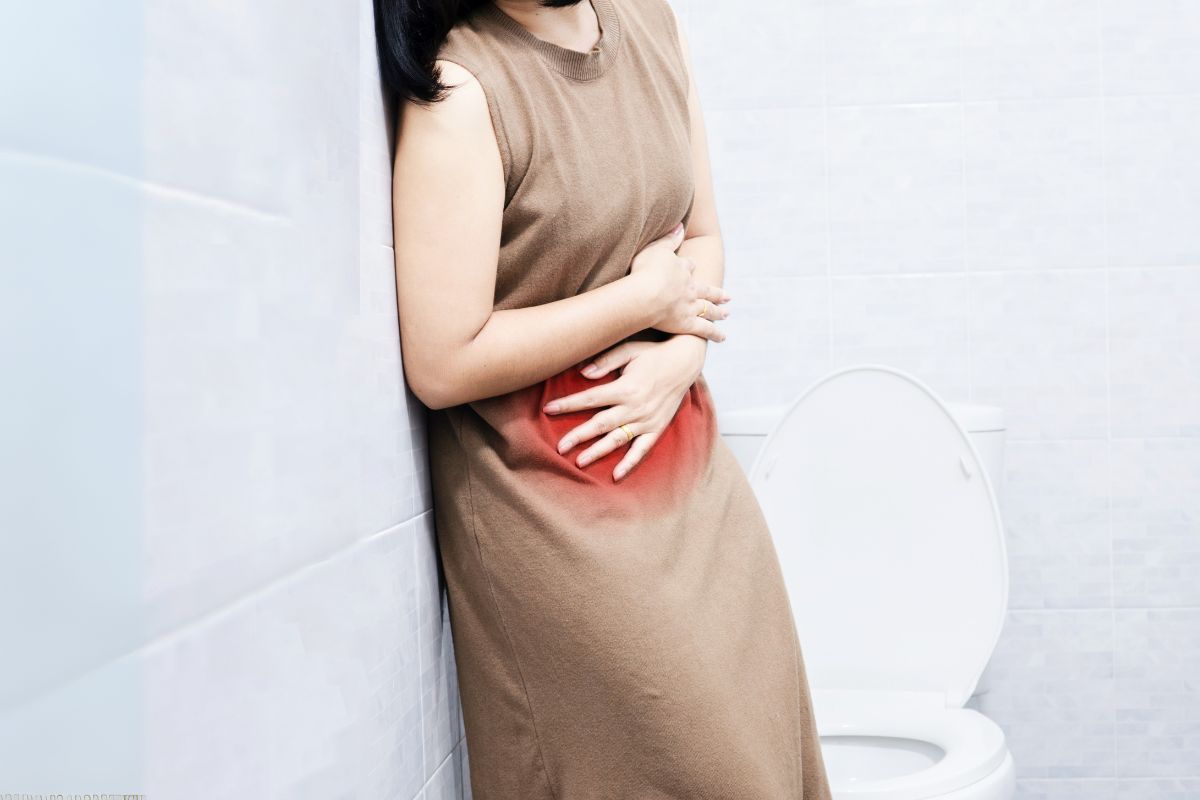
Changing your pad every hour. Setting an alarm at 3am just to avoid leaking through the sheets. Cancelling plans because you can’t be more than ten minutes from a bathroom.
If any of this sounds familiar, you’ve probably been told by friends, by family, sometimes even by yourself that heavy periods are just “how your body is.” But there’s a real difference between a heavy flow and menorrhagia, a genuine medical condition. And it’s not something you have to just live with.
What Is Menorrhagia?
Menorrhagia refers to unusually heavy or prolonged menstrual bleeding. A typical period lasts 3 to 7 days and involves roughly 25 to 80 millilitres of blood loss in total. If your periods regularly last longer than 7 days, involve more than 80 millilitres of blood loss, or interfere significantly with your daily life, you may be dealing with menorrhagia.
Identifying the underlying cause matters menorrhagia isn’t one single condition, it’s a symptom that can point to several different things going on in the body.
How Serious Is a Heavy Period, Really?
This is worth being direct about: menorrhagia isn’t something to quietly manage on your own indefinitely.
Losing a significant amount of blood every month can lead to anaemia a drop in healthy red blood cells which causes fatigue, weakness, and shortness of breath. Left untreated for a long time, severe anaemia can become genuinely dangerous.
In some cases, heavy or unusual bleeding can also be a sign of something more serious, including uterine polyps, fibroids, or in rarer cases, cancerous changes in the uterine lining. This isn’t meant to alarm you — most causes of menorrhagia are not cancer but it’s exactly why persistent heavy bleeding deserves a proper medical evaluation rather than being brushed off.
Symptoms of Menorrhagia
- Menstrual bleeding lasting longer than 7 days
- Needing to change your pad or tampon every hour for several consecutive hours
- Waking up at night specifically to change protection, or bleeding through onto your sheets
- Needing to use two forms of protection together (like a pad and a tampon) to manage the flow
- Passing large blood clots during your period
- Fatigue and weakness, particularly if anaemia has developed
- Significant pain or cramping alongside heavy flow (dysmenorrhea)
- Heavy bleeding that interferes with work, school, or daily activities
If you find yourself planning your day around your period rather than the other way around, that’s a meaningful sign worth discussing with a doctor.
What Causes Menorrhagia?
Hormonal Imbalance — Unbalanced levels of estrogen and progesterone can cause the uterine lining to build up excessively, leading to heavier bleeding when it eventually sheds. This is one of the most common causes, especially around puberty or perimenopause.
Uterine Fibroids — Non-cancerous growths in the uterine wall that can significantly increase menstrual bleeding and its duration.
Uterine Polyps — Small, usually benign growths in the lining of the uterus that can also cause heavier or longer periods.
Endometriosis — A condition where tissue similar to the uterine lining grows outside the uterus, often causing both heavy bleeding and significant pain.
Adenomyosis — When the uterine lining grows into the muscular wall of the uterus itself, leading to heavier, often more painful periods.
Non-Hormonal IUDs — Copper IUDs, in particular, can sometimes increase menstrual flow as a side effect.
Pregnancy-Related Causes — An ectopic pregnancy or early miscarriage can sometimes present as unusually heavy bleeding that may be mistaken for a period.
Bleeding Disorders — Inherited conditions that affect the body’s ability to clot blood properly can cause heavier, longer periods.
Underlying Medical Conditions — Thyroid disorders, liver disease, and certain other systemic conditions can all contribute to menorrhagia.
How Is Menorrhagia Diagnosed?
Getting a proper diagnosis usually involves a few steps:
Medical History and Discussion — Your doctor will ask about your bleeding pattern, how often you change protection, associated pain, and any other symptoms.
Pelvic Examination — A physical exam to check the size and shape of the uterus and cervix for anything unusual.
Blood Tests — To check for anaemia, since heavy periods make it genuinely hard for the body to keep up with iron loss. Studies suggest up to two-thirds of women with chronically heavy periods develop some degree of anaemia.
Ultrasound — Often used to check for fibroids, polyps, or structural abnormalities in the uterus.
Additional Testing — In some cases, further investigation like a biopsy or hormone testing may be recommended, especially if the cause isn’t clear from the initial evaluation.
Not every case needs extensive testing — many women are diagnosed based on history and a straightforward exam. But if something doesn’t add up, further evaluation is a reasonable next step, not a reason to worry unnecessarily.
Treatment Options for Menorrhagia
Treatment depends on the underlying cause, severity, and your personal preferences including whether you’re planning a pregnancy.
Medications
- NSAIDs like ibuprofen can reduce both pain and blood loss when taken during your period
- Tranexamic acid can significantly reduce heavy bleeding during periods
- Hormonal treatments — birth control pills, hormonal IUDs, or other hormonal therapy — can regulate cycles and reduce flow
Dilation and Curettage (D&C) — A procedure to remove part of the uterine lining, sometimes used to reduce heavy bleeding, particularly on a short-term basis.
Uterine Artery Embolization — A non-surgical, minimally invasive procedure that shrinks fibroids by cutting off their blood supply, reducing associated bleeding.
Endometrial Ablation — A procedure that removes or destroys the uterine lining to reduce or stop heavy bleeding — generally only considered for those who don’t plan future pregnancies.
Myomectomy — Surgical removal of fibroids while preserving the uterus, an option for those who want to retain fertility.
Hysterectomy — Surgical removal of the uterus, considered in severe cases when other treatments haven’t worked or aren’t suitable, and typically a last resort.
Living With Menorrhagia Practical Tips
While working with your doctor on treatment, a few things can help manage day-to-day life:
- Keep iron-rich foods in your diet leafy greens, lentils, red meat if you eat it to help offset iron loss
- Consider an iron supplement if your doctor confirms anaemia
- Track your cycle and flow with an app or diary this genuinely helps doctors identify patterns and assess severity accurately
- Keep extra protection and a change of clothes accessible during heavy days
- Don’t hesitate to ask for accommodations at work or school during particularly heavy cycles this is a legitimate medical need, not an inconvenience you need to hide
Complications of Untreated Menorrhagia
Leaving menorrhagia unaddressed for a long time can lead to:
- Iron-deficiency anaemia — causing ongoing fatigue, weakness, dizziness, and shortness of breath
- Missed underlying diagnoses — conditions like fibroids, polyps, or endometriosis can worsen if the root cause isn’t identified and treated
- Significant impact on quality of life — missed work, school, or social activities due to unpredictable or severe bleeding
- Emotional toll — chronic heavy bleeding is linked to increased anxiety and stress, which often goes unacknowledged
Menorrhagia Myths Busted
“Heavy periods are just normal for some women.”
Consistently heavy bleeding that disrupts your life is a medical condition, not simply a personal trait to accept.
“You just have to live with it.”
Effective treatments exist, ranging from medication to minimally invasive procedures. Nobody needs to simply endure it.
“Hormonal treatments will make you gain significant weight.”
Most hormonal treatments for menorrhagia don’t cause substantial weight gain they work by regulating the cycle and reducing flow, not through mechanisms linked to major weight changes.
“Heavy periods always mean something is seriously wrong.”
Not necessarily many cases stem from manageable causes like hormonal imbalance. But it’s still worth getting checked to identify the specific cause.
“Painkillers are the only option.”
NSAIDs help, but they’re just one of several effective treatment paths, from hormonal options to procedures that directly address the underlying cause.
When Should You See a Doctor?
See a gynaecologist if:
- Your periods regularly last longer than 7 days
- You’re changing pads or tampons every hour for several hours in a row
- You’re passing large clots regularly
- You feel persistently tired, weak, or short of breath during or after your period
- Heavy bleeding is interfering with your work, school, or daily life
- You experience bleeding between periods, or after menopause
- Your periods have changed noticeably from what’s normal for you
An online consultation with a gynaecologist through HealthPil can help you get an initial assessment and understand what testing or treatment path makes sense without needing to wait weeks for an in-person appointment.
How HealthPil Can Help
HealthPil connects you with experienced gynaecologists who specialise in menstrual health and can help identify the cause of your heavy periods, guide appropriate testing, and recommend a treatment plan suited to your specific situation and goals. Whether you’re dealing with newly heavy periods or have been managing this for years without answers, expert support is available through an online consultation from wherever you are.
Book your online gynaecologist consultation with HealthPil today.
Summary
Menorrhagia refers to abnormally heavy or prolonged menstrual bleeding periods lasting more than 7 days or involving more than 80ml of blood loss and it’s a genuine medical condition, not something to simply accept as normal. Causes range from hormonal imbalance and fibroids to polyps, adenomyosis, and underlying medical conditions.
Diagnosis typically involves a pelvic exam, blood tests to check for anaemia, and often an ultrasound. Left untreated, menorrhagia can lead to significant anaemia and quality-of-life impact, but effective treatments exist from medications and hormonal therapy to minimally invasive procedures and, in severe cases, surgery. If heavy periods are disrupting your life, that’s reason enough to get evaluated, not something to quietly manage alone.
FAQ
How is menorrhagia diagnosed?
A pelvic exam, ultrasound, or endometrial biopsy may be performed to identify the cause of heavy bleeding.
Can menorrhagia be treated without surgery?
Yes, medications like birth control pills, hormone therapy, and NSAIDs are effective treatments for menorrhagia.
How does menorrhagia affect fertility?
Menorrhagia itself does not directly cause infertility, but underlying conditions like fibroids or endometriosis may affect fertility.
Are big blood clots passing during menstruation normal?
Passing occasional blood clots is normal, but large clots or clots that are accompanied by heavy bleeding may indicate menorrhagia.
When should I seek medical help for heavy periods?
Book an online consultation or visit a gynaecologist if your periods last longer than 7 days, you need to change pads or tampons every hour, pass large blood clots, experience severe fatigue, or if heavy bleeding affects your daily activities.
References
- Walker MH, Coffey W, Borger J. Menorrhagia. StatPearls Publishing. Available at:
NCBI Bookshelf - Walker MH, Coffey W, Borger J. Menorrhagia. Available at:
PubMed
Disclaimer:
This article is for educational purposes and should not replace professional medical advice. Always consult your healthcare provider for a diagnosis and personalised treatment plan.

Read our editorial policy