

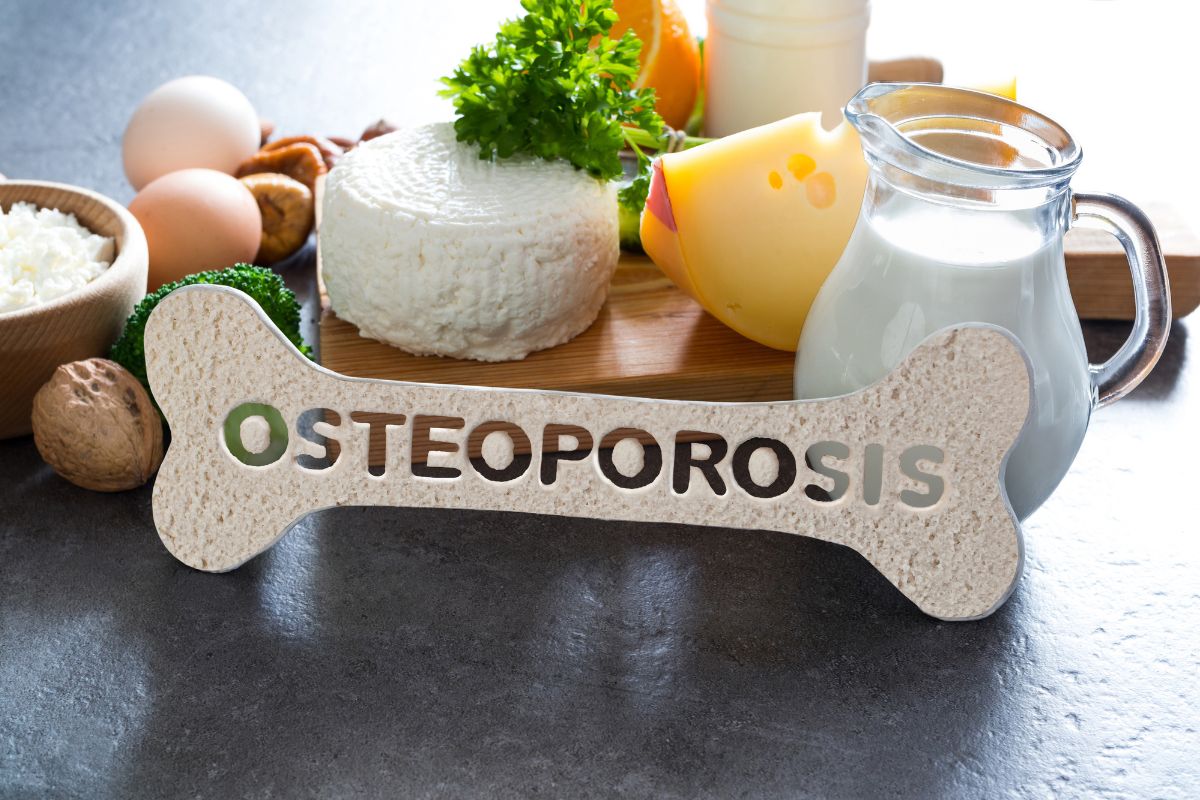
Osteoporosis is a common bone disease that causes bones to become weak and fragile, often without causing any symptoms. For many people, the first sign of osteoporosis is a fracture after a minor fall, injury, or everyday activity. Early diagnosis and treatment can help reduce the risk of fractures, preserve mobility, and maintain independence with age.
What is Osteoporosis?
In simple terms, osteoporosis happens when your body loses too much bone or fails to make enough of it. Think of your bone like a honeycomb; in a healthy person, the holes are small, but in someone with osteoporosis, those holes become much larger.
In India, factors like a sedentary lifestyle and a diet low in Calcium and Vitamin D have made this condition much more common than before.
How is Osteoporosis Diagnosed?
Since you can’t “feel” your bones getting weaker, doctors rely on specialized tests to check your bone mineral density (BMD). If you have a family history or are over a certain age, your doctor might suggest:
- DEXA Scan: The gold standard for measuring bone strength.
- Blood Tests: To check your Vitamin D and Calcium levels.
- X-rays: Usually to check if a silent fracture has already occurred in the spine.
Risk Factors of Osteoporosis
Some things are out of your control, while others are lifestyle-based:
- Age and Gender: Women, especially after menopause, are at the highest risk due to dropping estrogen levels.
- Family History: If your parents had hip fractures, you need to be extra careful.
- Diet: If you’ve spent years skipping dairy or leafy greens, your “bone bank” might be empty.
- Medical Issues: Thyroid disorders, diabetes, and long-term steroid use can all drain bone density.
Causes of Osteoporosis
Osteoporosis kicks in when the body breaks down old bone faster than it can build new bone. Common culprits include a major lack of Calcium or Vitamin D, hormonal shifts after menopause, and even long-term use of certain medications like steroids.
A sedentary lifestyle also plays a huge role; if you don’t use your bones, they don’t stay strong.
Can young people get osteoporosis too?
Yes, though it’s less common. Younger people can develop osteoporosis due to conditions like thyroid disorders, eating disorders, prolonged steroid use, or genetic factors. It’s not exclusively an “old age” disease — it’s a bone density issue that can show up earlier if the underlying cause is present.
Symptoms of Osteoporosis
Osteoporosis is tricky because it doesn’t hurt until a bone breaks. However, keep an eye out for these subtle signs:
- Loss of Height: If you notice you’re shorter than you used to be.
- Stooped Posture: A “dowager’s hump” or a curved upper back.
- Sudden Back Pain: Which could actually be a small fracture in your spine.
Stages of Osteoporosis
- Stage 1: Bone loss starts but isn’t visible yet.
- Stage 2 (Osteopenia): Your bone density is lower than normal, but not yet “osteoporotic.” This is the best time to take action.
- Stage 3: Osteoporosis is officially diagnosed; your risk of a fracture is now high.
- Stage 4: Severe osteoporosis with visible deformity and frequent breaks.
If I’m diagnosed with osteopenia, does that mean I’ll definitely get osteoporosis?
No, not necessarily. Osteopenia means your bone density is lower than normal, but it’s a warning stage not a guarantee. With the right diet, weight-bearing exercise, and sometimes medication, many people slow down or even stop further bone loss at this stage.
How to Prevent Osteoporosis
It’s never too late (or too early) to start protecting your frame:
- Eat for Your Bones: Load up on dairy, nuts, fish, and fortified foods.
- Get Moving: Weight-bearing exercises like walking or lifting light weights tell your bones to stay strong.
- Ditch the Bad Habits: Smoking and excessive alcohol are “bone killers” cutting them out makes a huge difference.
Treatment Options for Osteoporosis
While we can’t completely “cure” old age, we can definitely manage osteoporosis effectively.
- Medications: Bisphosphonates are commonly used to slow down bone loss.
- Hormone Therapy: Can be a game-changer for post-menopausal women.
- Supplements: Targeted doses of Vitamin D and Calcium.
- Physiotherapy: To improve balance and prevent the falls that lead to fractures.
How long do I need to take osteoporosis medication for?
This varies from person to person, and your doctor will guide you based on your bone density improvement and fracture risk. Some medications are taken for a few years and then reassessed, while others may continue longer-term.
The key is not stopping or adjusting the dose on your own without checking with your doctor first.
Complications of Osteoporosis
If left untreated, the risks are serious. A simple trip can lead to hip or spine fractures, which often result in chronic back pain and a permanent loss of mobility. For older adults, this can mean losing the ability to live independently.
Osteoporosis Management and Recovery
Recovery is all about management. You can’t necessarily “undo” the damage overnight, but with consistent medication, the right physiotherapy, and a dedicated diet, you can significantly strengthen your bones and prevent the next fall from becoming a catastrophe.
Will I have osteoporosis for the rest of my life?
In most cases, yes it’s a long-term condition that requires ongoing management rather than a one-time fix. But that doesn’t mean it controls your life. With consistent treatment and the right precautions, many people with osteoporosis continue to live active, independent lives for years.
When Should You See a Doctor?
If you’ve noticed your posture changing or if you have a family history of weak bones, don’t wait for a fracture to happen. Early diagnosis is truly a lifesaver. If you find it difficult to visit a clinic or want an expert opinion on your DEXA scan results, you can consult an orthopedic doctor online for an online orthopedic consultation.
This is a great way to get a personalized bone-health plan from an expert without having to wait in long hospital lines. An online orthopedic consultation allows you to discuss fracture prevention and medication options from the comfort of your home.
How HealthPil Can Help
HealthPil connects you with experienced orthopedic specialists for osteoporosis diagnosis, treatment, and long-term bone health management. You can also opt for an online orthopedic consultation to discuss your symptoms, assess your risk, and get expert guidance from the comfort of your home.
Summary
Osteoporosis makes bones fragile and prone to breaks. It’s especially common in older adults, but with early screening (DEXA scans) and a mix of the right diet and medication, it is highly manageable. Prevention is the best cure, keep moving and keep your “bone bank” full!
