

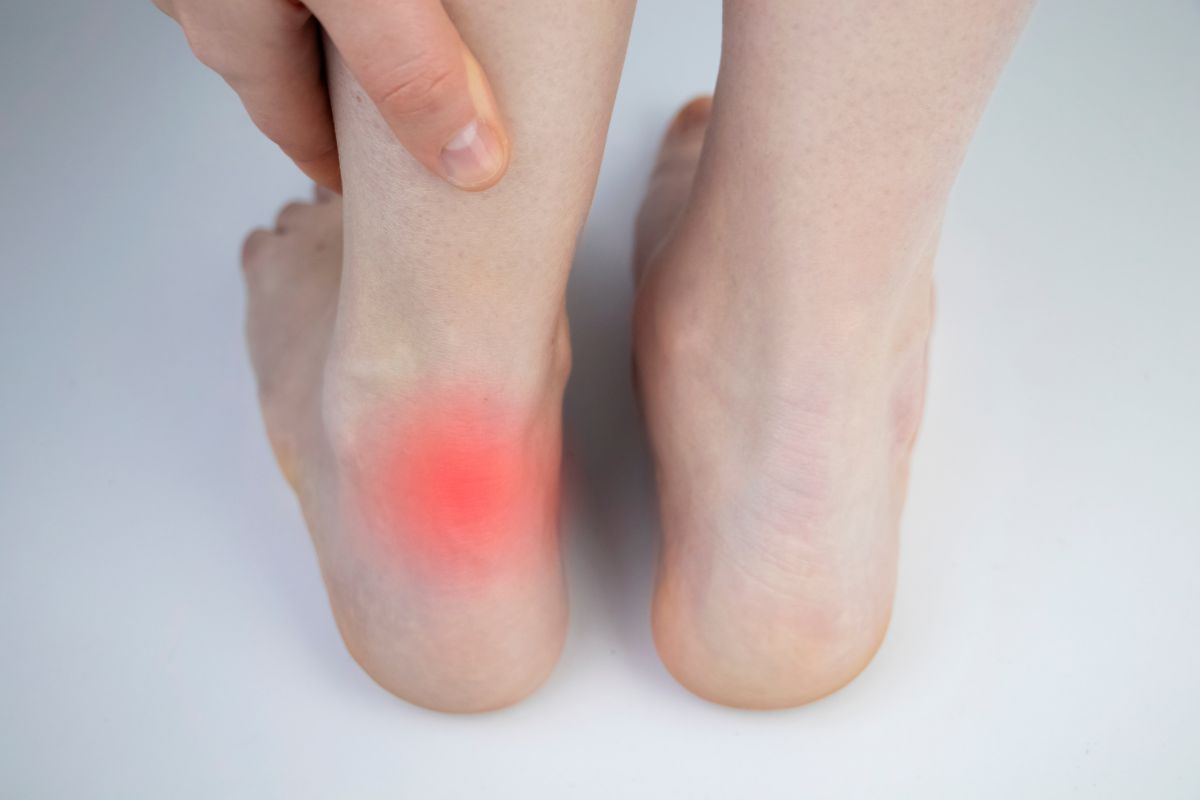
Tendonitis is a common musculoskeletal condition that occurs when a tendon becomes irritated or inflamed due to repetitive stress, overuse, sports injuries, or sudden increases in physical activity. It commonly affects the shoulder, elbow, wrist, knee, and Achilles tendon, causing pain, stiffness, swelling, and reduced mobility. Early diagnosis and appropriate treatment can help relieve symptoms, prevent chronic tendon damage, and support a faster recovery.
What is Tendonitis?
Simply put, tendonitis is the inflammation of a tendon the thick, fibrous cord that attaches your muscle to your bone. It usually crops up because of overuse or a sudden injury. While it can happen anywhere, it’s most famous for hitting the shoulder (rotator cuff), elbow (tennis elbow), knee, and the Achilles tendon at the back of your ankle. With more of us working sedentary jobs and repeating the same wrist or arm motions all day, these strain injuries are becoming much more common.

Types of Tendonitis
Tendonitis isn’t a “one size fits all” condition. It gets its name based on which part of the body is struggling:
- Rotator Cuff Tendonitis: Affects the shoulder and makes lifting your arm a chore.
- Tennis or Golfer’s Elbow: Targets the inner or outer elbow depending on your grip.
- Patellar Tendonitis: Often called “jumper’s knee,” common in sports.
- Achilles Tendonitis: Pain at the back of the heel that can make walking difficult.
Symptoms of Tendonitis
The symptoms usually start as a dull ache near a joint. You’ll likely notice:
- Pain: A dull ache that tends to get sharper when you actually move the joint.
- Stiffness: That “rusty” feeling where your range of motion feels limited.
- Swelling: A bit of puffiness or a lump around the tendon area.
- Tenderness: Increased sensitivity where even a light touch feels sore.
Causes of Tendonitis
- Repetitive Motion: This is the biggest culprit. Doing the same movement over and over—like typing, painting, or swinging a racket—slowly wears the tendon down.
- Age: As we get older, our tendons lose their “snap” and flexibility, making them way easier to irritate.
- Injury: A quick fall or a bad lift can cause instant inflammation at the site.
How is Tendonitis Diagnosed?
When you visit a doctor, they’ll mostly focus on your history and how you spend your day. After checking for swelling and range of motion, they might suggest:
- Physical Exam: To find exactly where the pain is coming from.
- Imaging: X-rays are usually done to rule out broken bones, while an MRI or Ultrasound is used to see the actual condition of the soft tendon tissue.
Risk Factors for Tendonitis
Aside from aging, things like poor posture, obesity, and even conditions like diabetes or thyroid issues can make your tendons more prone to inflammation. If your job involves manual labor or constant typing at an unoptimized desk, you’re in a much higher-risk category.
Treatment Options for Tendonitis
Most people get better with “conservative” care, meaning no surgery is needed.
- Rest & Activity Modification: You have to stop the action that’s causing the flare-up to let the tissue heal.
- Physical Therapy: Exercises to strengthen the surrounding muscles so the tendon doesn’t have to do all the work.
- Medications: NSAIDs (such as ibuprofen) may help reduce pain and inflammation. In selected cases, corticosteroid injections may provide short-term symptom relief. However, repeated corticosteroid injections are generally avoided because they can weaken the tendon and increase the risk of tendon degeneration or rupture over time.
- Surgery: This is the last resort, reserved only for when the tendon is physically torn or doesn’t respond to anything else.
Non-Surgical Treatment for Tendonitis
For chronic cases, doctors are now using advanced options like PRP therapy (using your own blood cells to heal the area), shockwave therapy, or dry needling. These help stimulate the body’s natural healing process without an incision.
Complications of Tendonitis
If you ignore it, the tendon can actually weaken over time. This leads to chronic pain and significantly increases the risk of a tendon rupture which usually requires a much more intense recovery or surgery.
Tendonitis Recovery Timeline
- Mild cases: Usually feel better in 2 to 3 weeks with rest and ice.
- Moderate cases: Might take 1 to 3 months of physical therapy to fully stabilize.
- Severe cases: If there’s a tear or surgery involved, the road back can be a much longer journey.
How to Prevent Tendonitis
- Warming up before any physical activity is non-negotiable.
- Use ergonomic tools at your desk to keep your wrists in a neutral position.
- Stretch regularly and don’t push through “bad” pain—take breaks!
When Should You See a Doctor?
If the pain is starting to mess with your daily life or if you’ve been hurting for several weeks, don’t wait. Severe swelling or a sudden loss of strength are signs you need a professional. If you have a busy schedule, you can easily consult an orthopedic doctor online via an online orthopedic consultation. This is a great way to have a specialist review your symptoms and imaging reports from home, ensuring you get a recovery plan before the tendon
How HealthPil Can Help
Stop living with joint pain. HealthPil connects you with top-tier orthopedic specialists who can help you get back to your favorite activities.
Book your online orthopedic consultation today and start your journey to pain-free movement.
Summary
Tendonitis is all about inflammation from overuse. Whether it’s your shoulder, elbow, or knee, catching it early with rest and physical therapy is the secret to a fast recovery. Don’t ignore the dull ache give your tendons the break they need!
