

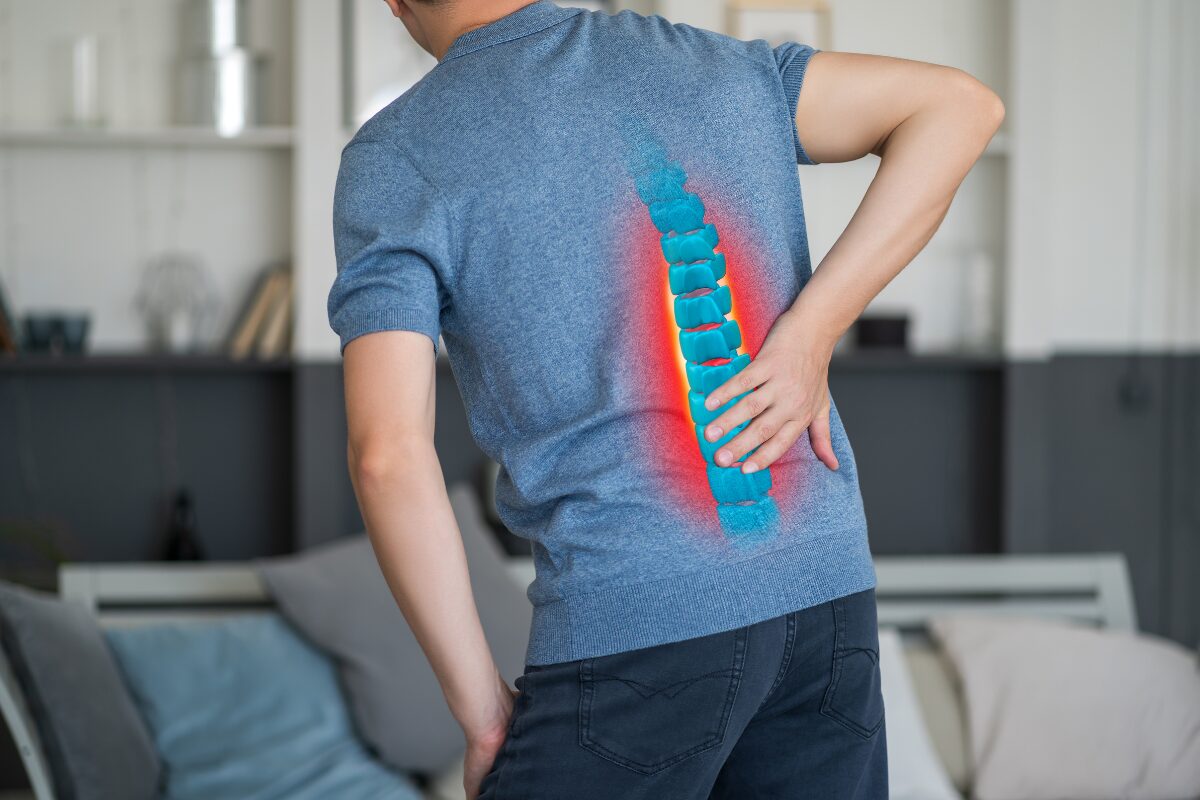
Back pain is something most Indians will experience at some point. For millions, it becomes a daily companion with a dull ache that limits how far they can sit, walk, or sleep.
When back pain lasts more than 12 weeks, it is classified as chronic. At that point, a short-term fix is no longer enough. You need a proper, long-term plan.
What Is Chronic Back Pain?
Chronic back pain is pain in the lower, middle, or upper back that persists for three months or longer. It may be constant or come and go, but it does not fully resolve on its own.
The lower back (lumbar region) is the most common site. It bears most of your body’s weight and is under continuous stress whenever you sit, stand, bend, or lift.
Common Causes of Back Pain
Understanding what drives your pain is the first step toward managing it.
Poor Posture and Sedentary Work
Sitting for long hours — at a desk, in front of a screen, or while driving — places sustained strain on the spinal discs and the muscles that support them. Slouching, a forward head posture, and sitting without lumbar support are among the most common contributors to back pain in Indian office workers and IT professionals.
Disc Problems
Between each vertebra sits a soft cushioning disc. When one bulges or herniates, it can press on nearby nerves and cause pain that radiates down the leg — a condition known as sciatica.
Muscle Strain and Degenerative Changes
Repeated minor strains from lifting incorrectly or carrying a heavy bag on one shoulder accumulate over time. As we age, discs lose water content and the small joints of the spine wear down a normal process called spondylosis that can become painful.
Weak Core and Excess Weight
Weak abdominal and back muscles fail to adequately support the spine. Excess abdominal weight shifts the centre of gravity forward, increasing the load on the lumbar spine with every step.
Stress and Poor Sleep
Chronic stress and disrupted sleep are consistently linked to worse back pain. The mind-body connection here is well established — people under sustained emotional pressure report higher pain levels even when the physical cause is unchanged.
Red Flag Symptoms of Back Pain:
Seek Urgent Medical Attention If You Experience: Most chronic back pain is not dangerous. But see a doctor promptly if you have:
– Numbness or weakness in one or both legs – Loss of bladder or bowel control – Back pain with unexplained weight loss or fever – Severe pain that worsens at night regardless of position – New-onset pain after a fall, accident, or in someone over 50 These may indicate nerve compression, fracture, infection, or in rare cases, a tumour. |
Daily Precautions to Prevent Worsening Back Pain
Sitting and Screen Habits
Sit with your lower back supported — use the chair’s backrest or a small rolled towel at the lumbar curve. Keep your feet flat on the floor and your screen at eye level. Avoid sitting in the same position for more than 45 to 60 minutes; a brief walk every hour significantly reduces spinal load.
Limit prolonged downward neck flexion from mobile phone use. ‘Text neck’ is a growing cause of upper back and neck pain across all age groups.
Lifting and Carrying
Always bend at the knees when picking something up, not at the waist. Hold the object close to your body as you rise. Never twist your torso while lifting. If you carry a bag, use a two-strap backpack worn properly, or switch shoulders regularly.
Mattress and Sleep Position
A medium-firm mattress generally works best for back pain. Sleeping on your side with a pillow between your knees keeps the spine neutral. Sleeping flat on your stomach forces the lower back into an arch and is best avoided.
Footwear
High heels tilt the pelvis forward and increase the lumbar curve. For everyday wear, choose flat or low-heeled shoes with good arch support.
The Role of Physical Activity in managing Chronic Back Pain
This is where most people go wrong. Rest helps during a short acute flare-up — but prolonged inactivity makes chronic back pain significantly worse. It weakens supportive muscles, increases stiffness, and extends recovery time.
– Walking: 20 to 30 minutes daily is one of the most effective and accessible exercises for back pain. It strengthens spinal muscles without overloading them.
– Core exercises: Pelvic tilts, knee-to-chest stretches, and the cat-cow stretch improve core strength over time. A physiotherapist can teach you the correct form.
– Swimming: Water reduces spinal load and makes movement easier. Backstroke and freestyle are particularly helpful.
– Yoga: Many postures improve flexibility and core strength. Work with a qualified instructor and inform them of your back condition before starting.
Avoid high-impact activities like running or heavy weightlifting until your pain is well controlled and you have been assessed by a doctor or physiotherapist. |
Weight Management and Diet for Chronic Back Pain
For every kilogram of excess body weight, the mechanical load on your lower back increases. Losing even five to ten kilograms produces a noticeable reduction in pain for overweight patients.
There is no special back-pain diet, but a diet that supports healthy weight and reduces inflammation helps. Include plenty of vegetables, whole grains, legumes, lean protein (dal, eggs, fish), and calcium-rich foods such as dairy and ragi. Stay well hydrated because the spinal discs depend on water to maintain their height and shock-absorbing ability.
Pain Management Options for Chronic Back Pain
Medications
Anti-inflammatory tablets and pain relievers help manage acute flare-ups but are not long-term solutions. Prolonged use carries risks to the stomach and kidneys. Muscle relaxants are sometimes used for spasm. All medication decisions should be made with a doctor, not managed through self-prescription.
Physiotherapy
Physiotherapy is among the most effective treatments available for chronic back pain. A physiotherapist will tailor a programme involving core-strengthening exercises, joint mobilisation, posture correction, and pain-relief techniques such as heat therapy or TENS. Consistency over weeks, not just a few sessions, is what produces lasting results.
Heat, Cold, and Injections
A warm compress relaxes tight muscles and improves circulation. Cold packs reduce inflammation during an acute flare-up. For pain that does not respond to conservative treatment, a specialist may recommend targeted epidural steroid injections or nerve blocks — these are not first-line options but can provide significant relief in the right cases.
What Patients with Back Pain Should Avoid
– Prolonged bed rest: More than two days in bed weakens muscles and prolongs recovery.
– Daily self-medication: Masking pain with tablets without treating the cause leads to dependency and organ damage over time.
– Ignoring persistent pain: Back pain that lingers without investigation rarely resolves on its own.
– Incorrect exercise technique: Unsupervised weightlifting or intense core workouts during active pain can worsen the problem significantly.
– Smoking: Nicotine reduces blood supply to spinal discs and slows healing. Smokers recover more slowly from back problems.
When to Consult a Doctor for Back Pain
See a doctor if your back pain has lasted more than six weeks without improvement, is severe enough to affect sleep or daily function, followed an injury, or is accompanied by any of the red flag symptoms listed earlier. People over 50 with new-onset back pain, or those with a history of cancer or osteoporosis, should not delay.
Your doctor will start with a clinical examination and may request an X-ray. An MRI is usually ordered only if a disc or nerve problem is suspected, or if symptoms persist despite initial treatment.
Consistency Is the Real Treatment for Back Pain
Chronic back pain rarely responds to a single intervention. The patients who do best are those who treat it as a long-term commitment by maintaining good posture daily, staying active, managing their weight, and completing their physiotherapy programme.
None of these habits require specialist equipment or hours of effort. A daily walk, a corrected sitting position, a few morning stretches, practised consistently over months is all you need. Work with your doctor and physiotherapist to build a plan that fits your life to see maximum results!
How HealthPil Can Help
At HealthPil, we help you understand your MRI reports, X-rays, and clinical findings in plain language, so you know exactly what is happening in your spine and why a particular treatment has been recommended.
We connect you with the right specialists — orthopaedic surgeons, consultant spine surgery, pain management consultants, matched to your specific diagnosis and stage of care. And we help you build a structured, evidence-based plan for long-term spine health that fits your lifestyle, work habits, and recovery goals.
Frequently Asked Questions (FAQs)
Can chronic back pain be cured permanently?
Often yes, especially when the cause is muscular or posture-related. With proper treatment and sustained lifestyle changes, most people achieve significant and lasting improvement. For conditions like advanced spondylosis, the realistic goal is effective management rather than a complete cure.
Is bed rest good for back pain?
Only for the first one to two days during a severe flare-up. Beyond that, bed rest weakens supportive muscles and increases stiffness. Staying gently active is almost always better.
Which exercises are safe for chronic back pain?
Walking, swimming, and physiotherapy-guided exercises such as pelvic tilts and cat-cow stretches are safe for most people. The right programme depends on your specific diagnosis, so a physiotherapist assessment is worthwhile.
When do I need an MRI?
Not for most back pain cases. An MRI is recommended when a disc herniation, nerve compression, or structural abnormality is suspected, or when symptoms persist after six to eight weeks of treatment. It is urgent when there are bowel or bladder symptoms alongside back pain.
Can weight loss really help back pain?
Yes. Excess abdominal weight increases load on the lumbar spine with every movement. Losing even five to ten kilograms can meaningfully reduce daily pain levels and improve the effectiveness of other treatments.
Disclaimer
This article is for general health awareness and educational purposes only. It does not constitute medical advice and should not replace consultation with a qualified healthcare professional. If you are experiencing back pain, please consult your doctor for a personalised assessment and treatment plan.

