

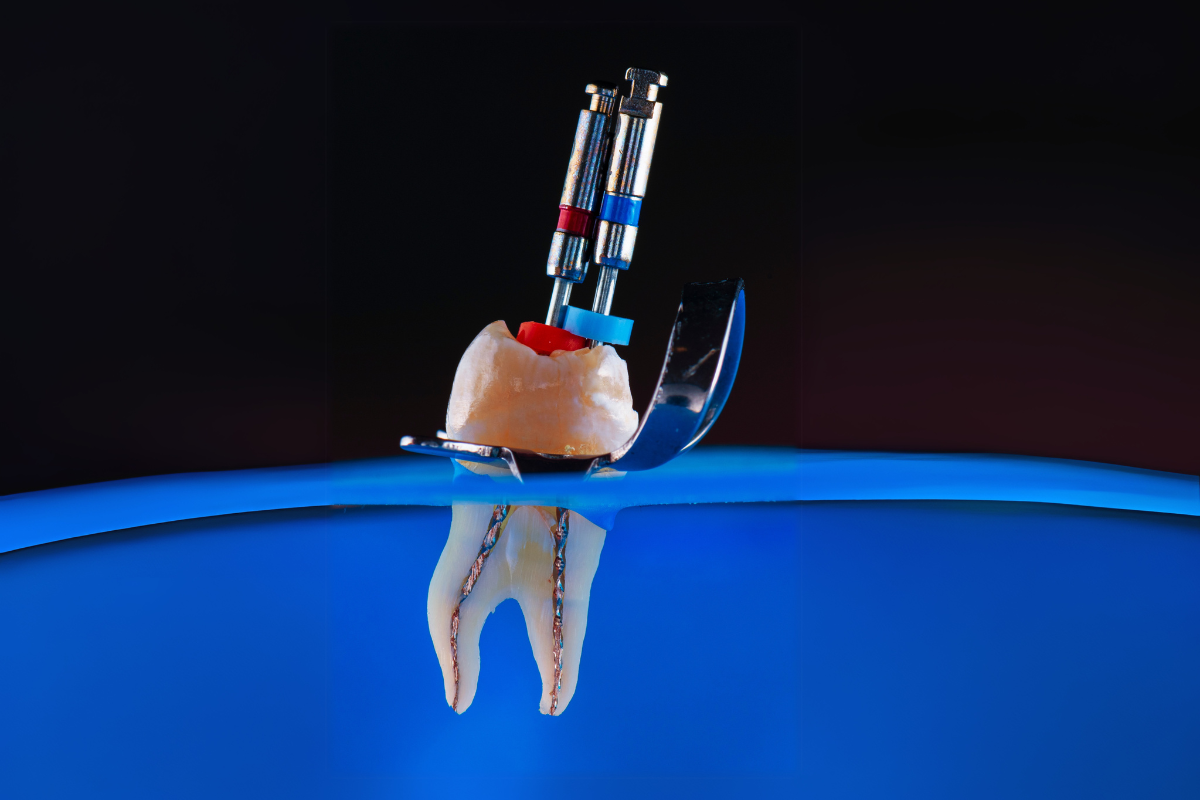
Tell someone they need a root canal and watch their face. The reaction is almost always the same a wince, a sharp intake of breath, maybe a nervous laugh.
Root canal treatment has a reputation for being one of the most dreaded things a dentist can say. Most of that reputation is not deserved. This article covers what root canal treatment actually involves, what the symptoms look like, how the procedure works, and what to expect after.
What Is Root Canal Treatment?
Root canal treatment also called RCT or endodontic treatment is a dental procedure used to remove infected pulp and bacteria from inside a tooth. The goal is to save the natural tooth, clear the infection, and stop the damage from spreading further.
In short, it is a way to keep your tooth instead of losing it.
Understanding Tooth Anatomy
To understand why root canal treatment is needed, it helps to know how a tooth is built.
Every tooth has an outer layer of enamel, a middle layer called dentin, and an inner space called the pulp chamber. Inside the pulp chamber and running down through the root canals are nerves and blood vessels. These keep the tooth alive and healthy.
When bacteria get inside that inner space through a deep cavity, a crack, or an injury infection starts. Left alone, it spreads. That is when root canal treatment becomes necessary.
Why Is Root Canal Treatment Needed?
Infected tooth treatment through a root canal is needed when bacteria reach the pulp and damage the tooth from the inside. This can happen because of deep tooth decay, a cracked tooth, dental trauma, repeated procedures on the same tooth, or a gum infection that spreads to the root.
Once the pulp is infected, the infection does not resolve on its own. It needs to be removed properly.
Symptoms That May Indicate You Need a Root Canal
Some root canal infection symptoms are hard to miss. Others are quieter and easy to brush off as something minor.
Severe Toothache
Intense pain while chewing that sometimes spreads to the jaw or other parts of the face is one of the clearest signs of a tooth nerve infection. Severe toothache that does not settle on its own needs a dental check without delay.
Prolonged Sensitivity
Most teeth feel a little sensitive to hot or cold now and then. But hot and cold sensitivity that lingers for several seconds or minutes after the food or drink is gone that is a different story. Prolonged sensitivity is one of the signs that the pulp inside the tooth may be infected or inflamed.
Discoloration
A tooth that starts turning darker than the ones around it may be a sign of pulp damage inside. Tooth discoloration from an infected tooth pulp is easy to miss until someone points it out.
Other signs include swollen gums around the tooth, pus around the tooth root, and bad breath that keeps returning even after brushing. Any of these is worth getting checked by a dentist.
Types of Root Canal Treatment
Single Sitting Root Canal Treatment
Single sitting root canal treatment is done in one appointment when the infection is limited and there is no major swelling or pus. It is faster, requires fewer visits, and works well for straightforward cases. One of the main single sitting RCT advantages is that patients get the issue resolved quickly without multiple trips to the clinic.
Multiple Sitting Root Canal Treatment
Multiple sitting root canal treatment is used when the infection is more severe particularly when there is significant swelling or pus that needs to be drained and the canals need to be cleaned more than once before they can be sealed. The multiple sitting RCT procedure usually involves placing a temporary filling between visits to allow the tooth to settle.
Single Sitting vs Multiple Sitting Root Canal
The choice between the two depends on how advanced the infection is, not on preference. A dentist will assess the tooth and recommend the right approach after diagnosis.
Rotary Endodontics and Microscope Assisted Root Canal
Modern root canal treatment often uses rotary endodontics, where flexible nickel-titanium instruments clean the root canals faster and more precisely than traditional hand files. This allows better cleaning, shorter treatment time, and a lower risk of instrument breakage.
Some dentists also use a dental microscope, which provides high magnification to identify extra canals, tiny cracks, and hidden infections that may be missed with the naked eye. This is especially helpful for complex root canals or retreatment cases. While not available in every clinic, microscope-assisted treatment can improve the accuracy and long-term success of the procedure.
Root Canal Procedure Step-by-Step
The root canal procedure is usually calmer than people expect. Here is how it goes.
Diagnosis and X-rays
The dentist starts by taking dental X-rays for root canal assessment. An RVG dental X-ray gives a detailed picture of the tooth and root structure, showing how deep the infection goes and how many canals need to be treated.
Local Anesthesia
Local anesthesia for root canal is given before the procedure begins. The area is numbed completely. Most patients feel pressure during the procedure but no significant pain. Painless root canal treatment is very much a real thing with modern anaesthesia.
Opening the Tooth
A small opening is made through the top of the tooth to reach the infected pulp inside.
Cleaning the Root Canals
The root canal cleaning procedure involves removing infected tissue and bacteria carefully using thin dental instruments. This is the step where infected nerves and damaged pulp are fully cleared out.
Disinfection and Shaping
Antiseptic canal cleaning solutions are used to disinfect the inside of the canals. Cleaning and reshaping canals ensures they are smooth and ready to be sealed properly.
Filling the Root Canals
The cleaned canals are filled and sealed using a material called gutta-percha — a rubber-like material used specifically for sealing root canals. It prevents bacteria from re-entering and causing another infection.
Crown Placement
After the root canal, a dental crown also called a cap after root canal treatment is usually placed over the tooth. This protects the tooth, restores its strength, and allows normal chewing. A tooth that has had a root canal becomes more brittle over time without a crown, which is why this step matters.
In some cases, a composite filling after RCT is used instead of a crown, depending on how much of the tooth structure is left.
What Is Gutta-Percha?
Gutta-percha is the standard material used for gutta-percha filling of root canals. It is flexible, biocompatible, and seals the cleaned canals tightly to block future infection. It has been used in dentistry for over a century and remains the most reliable option for sealing root canals today.
How Long Does Root Canal Treatment Take?
Root canal treatment usually takes one to three sittings depending on how severe the infection is and how many canals the tooth has. A single sitting root canal treatment can sometimes be completed in under an hour. More complex cases requiring multiple visits take longer but the steps are the same.
Advantages of Root Canal Treatment
The biggest advantage is straightforward you keep your natural tooth. Root canal treatment saves natural teeth, clears the infection, relieves pain, restores normal chewing function, and protects the teeth around it from being affected. It also protects the jaw structure that would otherwise change if the tooth were lost.
Saving a natural tooth through endodontic treatment is almost always better than extraction when the option is available.
What Is Root Canal Retreatment?
Sometimes a tooth that has already had a root canal develops problems again a new infection, a missed canal that was not treated the first time, or a filling that has broken down over time and allowed bacteria back in. In these cases, root canal retreatment is the appropriate option.
Retreatment involves removing the existing filling material from the canals, re-cleaning and disinfecting them, and resealing the tooth. It is a more complex procedure than the original treatment but follows the same basic steps. The alternative to retreatment is usually extraction which is why retreatment, when it is technically possible, is worth considering before giving up on the tooth.
Risks and Side Effects of Root Canal Treatment
Most people recover well. Some mild discomfort and temporary sensitivity are normal for a few days after the procedure. Mild swelling can also occur. Without crown placement, the treated tooth can become brittle and may crack over time. Rarely, some tooth discoloration may occur after treatment.
These side effects are manageable. Most settle on their own within days.
Root Canal Aftercare Tips
Care after root canal treatment is simple. Avoid chewing hard foods on the treated tooth for the first day or two. Brush and floss normally but gently around the area. Keep up with follow-up appointments so the dentist can check healing and place the crown when ready. Avoid tobacco it slows healing and increases infection risk.
Healing after root canal treatment usually takes a few days to a couple of weeks for full comfort to return.
Root Canal Recovery: What to Expect Day by Day
Recovery after a root canal is usually quick and manageable.
- First 24–48 hours: Mild pain or tenderness while biting is normal. It can usually be controlled with prescribed or over-the-counter pain medicine. The severe pain caused by the infection should already be improving.
- Days 3–5: Most sensitivity settles, and you can slowly return to normal eating. Avoid chewing hard foods on the treated tooth until the permanent crown is placed.
- Within 2 weeks: The tooth should feel normal. If pain, swelling, or sensitivity continues, contact your dentist as it may need further evaluation.
For the best long-term results, a dental crown is usually placed 1–2 weeks after the root canal to protect the treated tooth from cracking.
Consequences of Delaying Root Canal Treatment
Putting off infected tooth treatment is one of the more common dental mistakes people make. The infection does not go away. It grows. Delaying root canal treatment can lead to a tooth abscess, swelling that spreads beyond the tooth, bone infection in the jaw, and eventually complete tooth loss.
A root canal done now is far less complicated than dealing with the consequences of waiting.
Cost of Root Canal Treatment in India
Root canal treatment cost in India depends on which tooth is being treated, how severe the infection is, how many canals the tooth has, the type of crown placed afterward, and the clinic. Front teeth generally cost less than molars because they have fewer canals. Your dentist will give you a clear estimate before starting.
Myths
Myth 1: Root canals are painful. The procedure itself is done under local anaesthesia. Most patients feel pressure, not pain. The pain people associate with root canals is usually from the infection before treatment not the treatment itself. Painless root canal treatment is the norm today.
Myth 2: I do not need a root canal if the tooth does not hurt. Infection inside a tooth does not always cause pain, especially in the early stages. Some infected teeth are found only on X-rays during routine check-ups. By the time pain appears, the infection may already be advanced. Does root canal kill the tooth? No it removes the infected tissue and saves the tooth structure.
What Is the Success Rate of Root Canal Treatment?
Root canal success rate is high when the procedure is done properly and followed by good oral hygiene and crown placement. Most treated teeth last for many years, often a lifetime, with the right care.
When Should You See a Dentist?
See a dentist without waiting if you have severe tooth pain, swelling around a tooth or in the jaw, prolonged sensitivity that does not settle, a tooth that has changed colour, pus near the gum line, or difficulty chewing. These are signs of infection that need attention.
If getting to a clinic is not possible right away, an online dental consultation is a good first step. You can describe your symptoms and get initial guidance from a dentist including whether the situation needs urgent in-person care.
Online Dental Consultation for Root Canal Treatment
Not sure whether you need a root canal? An endodontist consultation online lets you share your symptoms, discuss your X-rays if you have them, get a second opinion, and understand what treatment planning would look like before committing to anything in person.
How HealthPil Can Help
HealthPil connects you with qualified dentists for root canal evaluation, treatment, and follow-up care. Book an online dental consultation today and get the right guidance from the right doctor.
Summary
Root canal treatment removes infected pulp, clears the infection, and saves the natural tooth. Modern RCT is done under local anaesthesia most patients feel pressure, not pain. Key symptoms include severe toothache, prolonged sensitivity, tooth discoloration, and swollen gums. Single sitting works for straightforward cases; multiple sitting for severe infections.
A dental crown after RCT is almost always recommended. Cost in India ranges from ₹1,500 for front teeth to ₹10,000+ for molars. Recovery settles within 48 to 72 hours for most patients. Don’t delay a small cavity today becomes a root canal tomorrow.
FAQs
1. Is root canal treatment painful?
Modern root canal treatment is usually comfortable because local anesthesia is used during the procedure.
2. How long does a root canal procedure take?
Root canal treatment may require one to three sittings depending on the severity of infection.
3. Why is a dental crown needed after root canal treatment?
A crown helps protect the treated tooth from fractures and restores chewing strength.
4. Can a root canal save my natural tooth?
Yes, root canal treatment helps remove infection and preserve the natural tooth.
5. Can I book an online consultation for root canal treatment?
Yes, online dental consultations can help patients understand root canal procedures, costs, symptoms, and treatment options.
References
- Duncan HF, et al. European Society of Endodontology Position Statement: Management of Deep Caries and the Exposed Pulp. Available at:
PubMed - Vidmar G, et al. Factors Associated With the Outcome of Root Canal Treatment: A Systematic Review. Available at:
PubMed
Disclaimer:
This information is for educational purposes and not a substitute for professional dental advice. Consult your dentist for specific recommendations and treatments.

Read our editorial policy